Services
Services
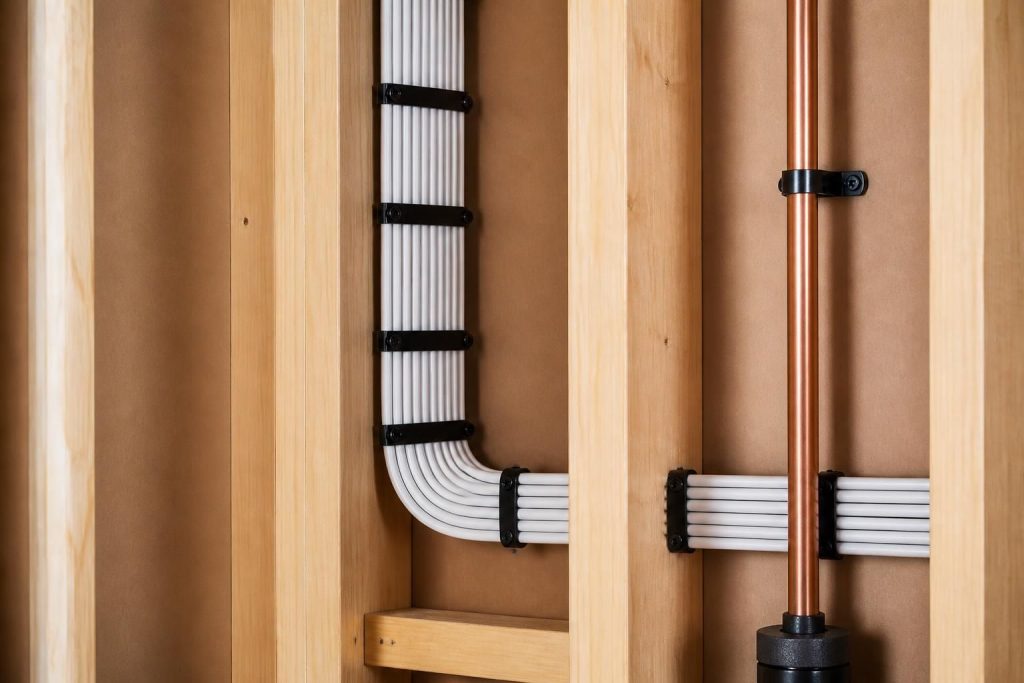
Wiring is the least visible part of an electrical system and the part with the longest memory. Decisions made when a property was built, or during a remodel two owners ago, are still shaping what works today and what quietly does not.
This work covers the physical distribution of power: replacing wiring that has aged out, running new circuits where the property needs them, and putting outlets where people actually use them.
Sometimes it is a specific complaint: an outlet that stopped working, a room that never had enough of them, an extension cord that has become permanent furniture. Sometimes it is a remodel forcing the question. And sometimes it is an older property where the wiring is simply due, and the owner would rather address it deliberately than reactively.
Across the older neighborhoods we work in, the recurring theme is a property being asked to do more than its wiring was designed for. Not dangerous on its own. But worth understanding before adding load on top of it.
Whole home rewiring is a real project, and it is not always the right answer. Plenty of properties need three circuits addressed rather than every circuit replaced. We would rather scope the smaller job when the smaller job is correct, and say clearly when it is not.
When rewiring is the right call, the conversation covers sequencing, which rooms are affected when, and what the property looks like during the work. That is usually more important to people than the technical detail, and it belongs in the estimate.
Wiring work overlaps constantly with the rest of the system. New circuits depend on panel capacity. Adding EV charging means a dedicated run. Generator installation depends on how the property is wired to decide which circuits are worth backing up. If more than one of these is in play, handling them as one scope is almost always cheaper than handling them as three visits.
Wiring rarely announces itself. The signals are usually indirect:
None of these are emergencies on their own. All of them are worth understanding before you add load on top of them.
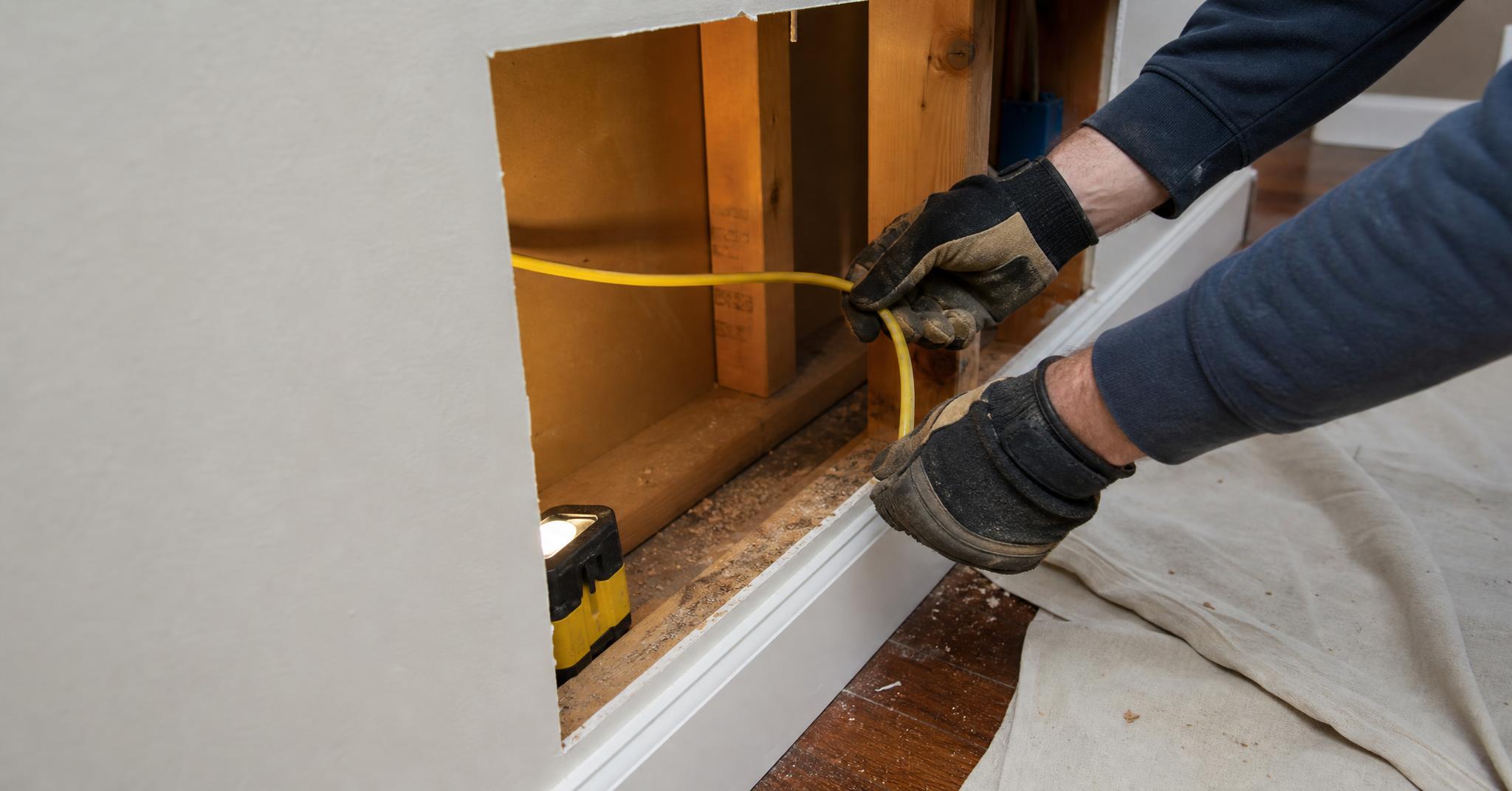
Whole home rewiring is the most disruptive residential electrical project, and pretending otherwise helps nobody. Running new circuits means accessing walls and ceilings, which means drywall work afterward. On an occupied property it is phased so the property stays liveable, which extends the timeline but keeps you in the house.
The realistic conversation covers which rooms are affected when, how long power is out in each phase, what gets patched versus what you are finishing yourself, and where the access points will be. Most people care more about that than about wire gauge, and it belongs in the estimate.
Properties built across several decades of San Diego County housing stock can contain wiring systems that are no longer installed today. Knob-and-tube in the oldest homes, and aluminium branch wiring in a specific window of mid-century construction, both have known handling requirements and both change how a project is scoped.
Finding either does not automatically mean full replacement. It does mean the work needs to be done by somebody who recognises what they are looking at and knows the correct approach, rather than treating it like modern copper.
Most wiring enquiries end up smaller than the person expected. A room that needs three properly placed outlets is a straightforward job. A dedicated circuit for a specific appliance is a straightforward job. Those solve the actual complaint without touching the rest of the property.
We will tell you which of the two you are looking at after a visit, and we have no interest in selling a rewire to somebody who needs two circuits.
The one genuine efficiency in wiring work is bundling. If walls are open for one project, that is the moment to run anything else you know is coming, whether that is a circuit for future vehicle charging, a dedicated run for an appliance, or the transfer wiring for standby power. Doing it later means opening the same walls twice.
Tell us what the property is doing now and what you want it to do. For wiring work especially, the age of the property and any past remodel history is useful context, so mention it if you know it.
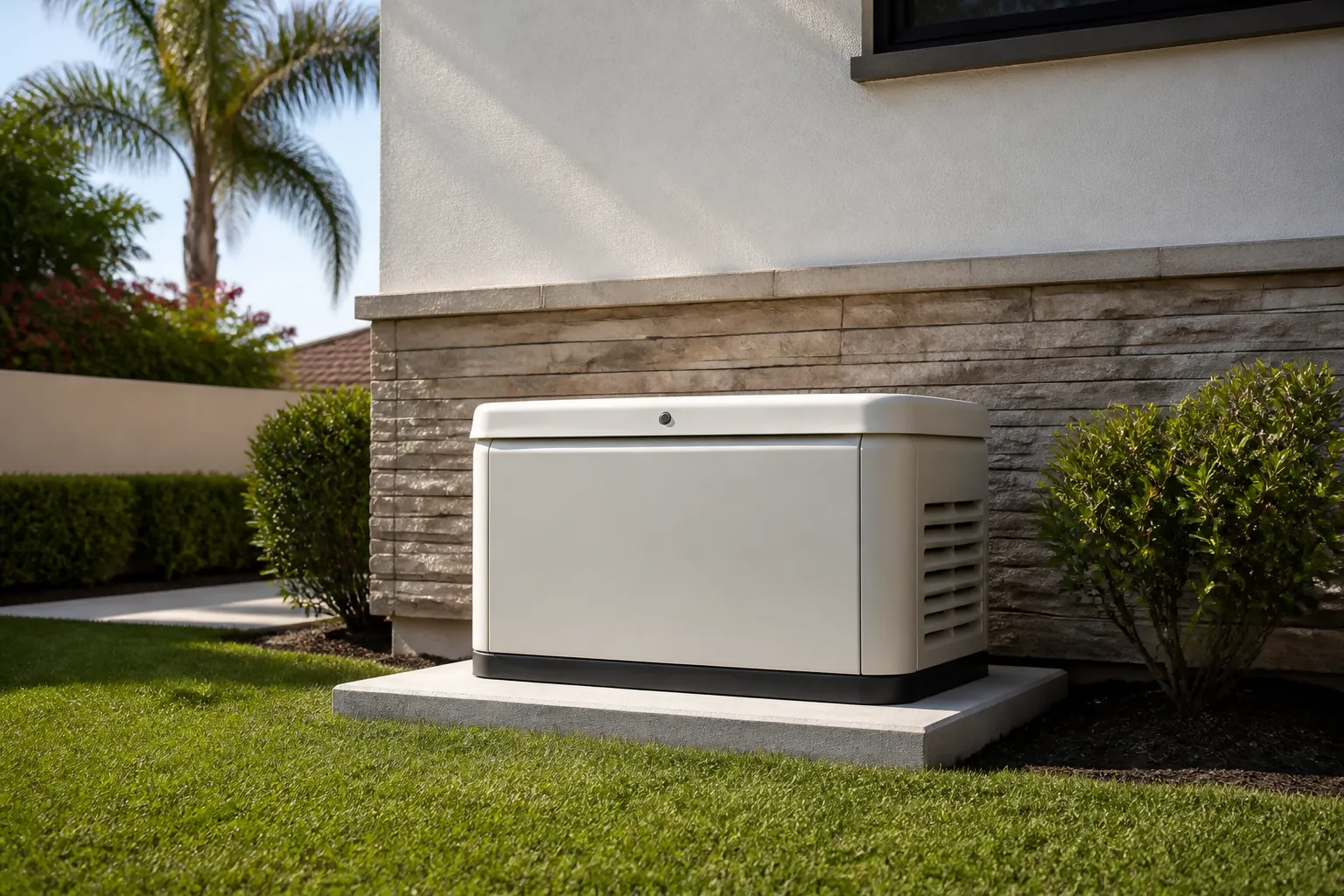
Reliable generator installs for Lakeside homes, with clean planning, careful wiring, and clear handoff.
Learn More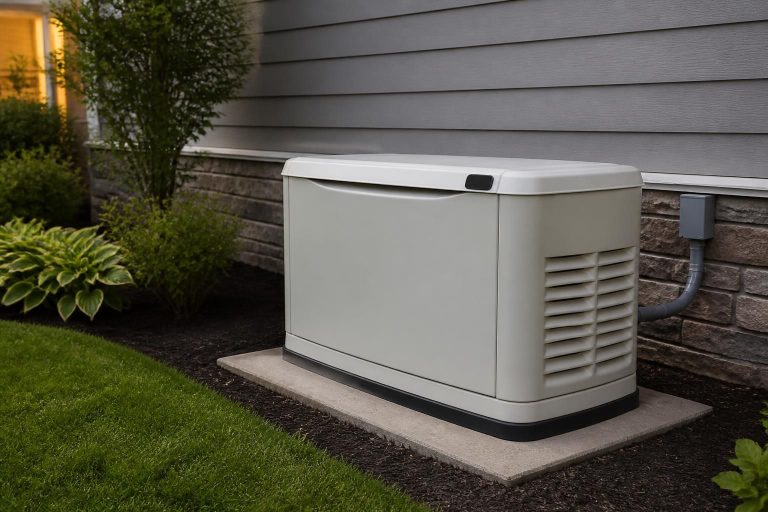
Diagnosis and repair for standby generators that fail to start, shut down early, or will not transfer.
Learn More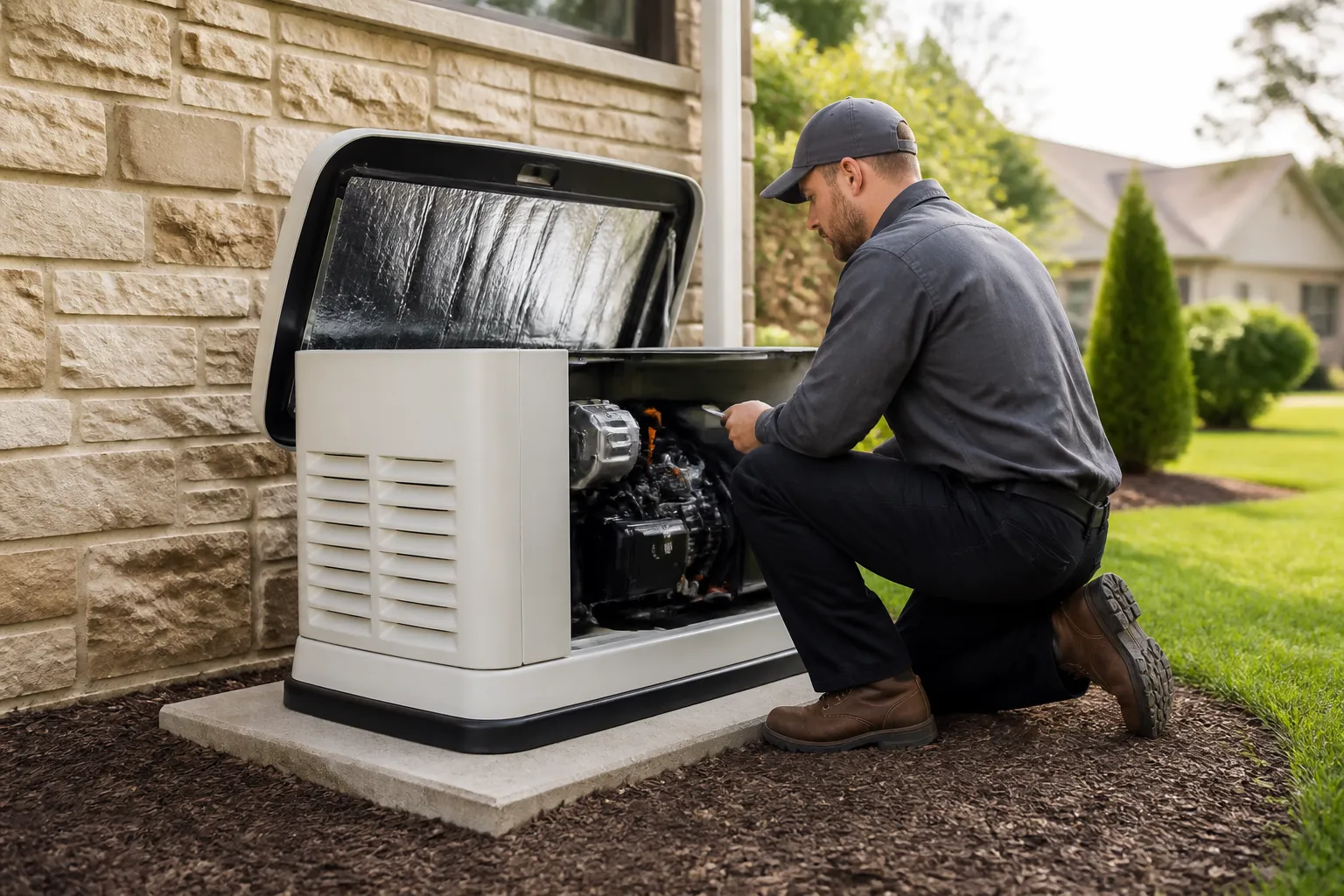
Keep your standby generator ready with careful maintenance for Lakeside homes.
Learn More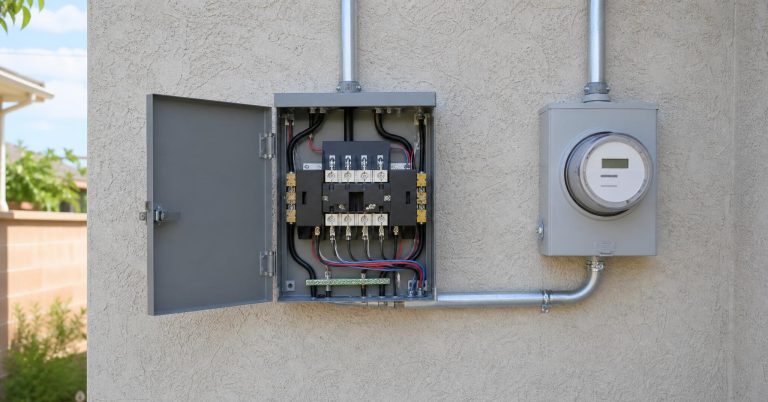
Transfer switch installation and replacement, the equipment that actually moves your property onto generator power.
Learn More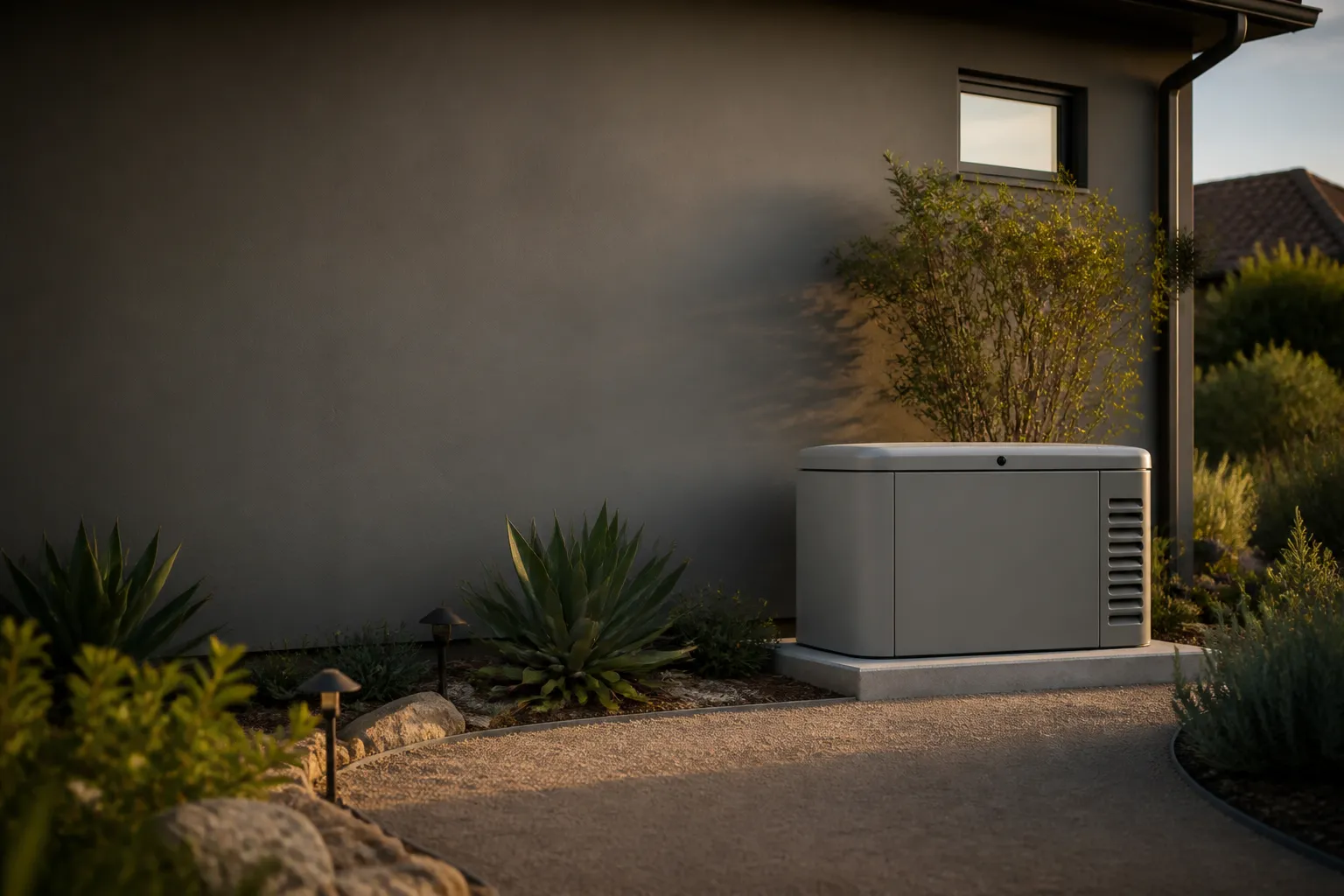
Supply and installation of standby generators, matched to the property rather than to whatever is in stock.
Learn More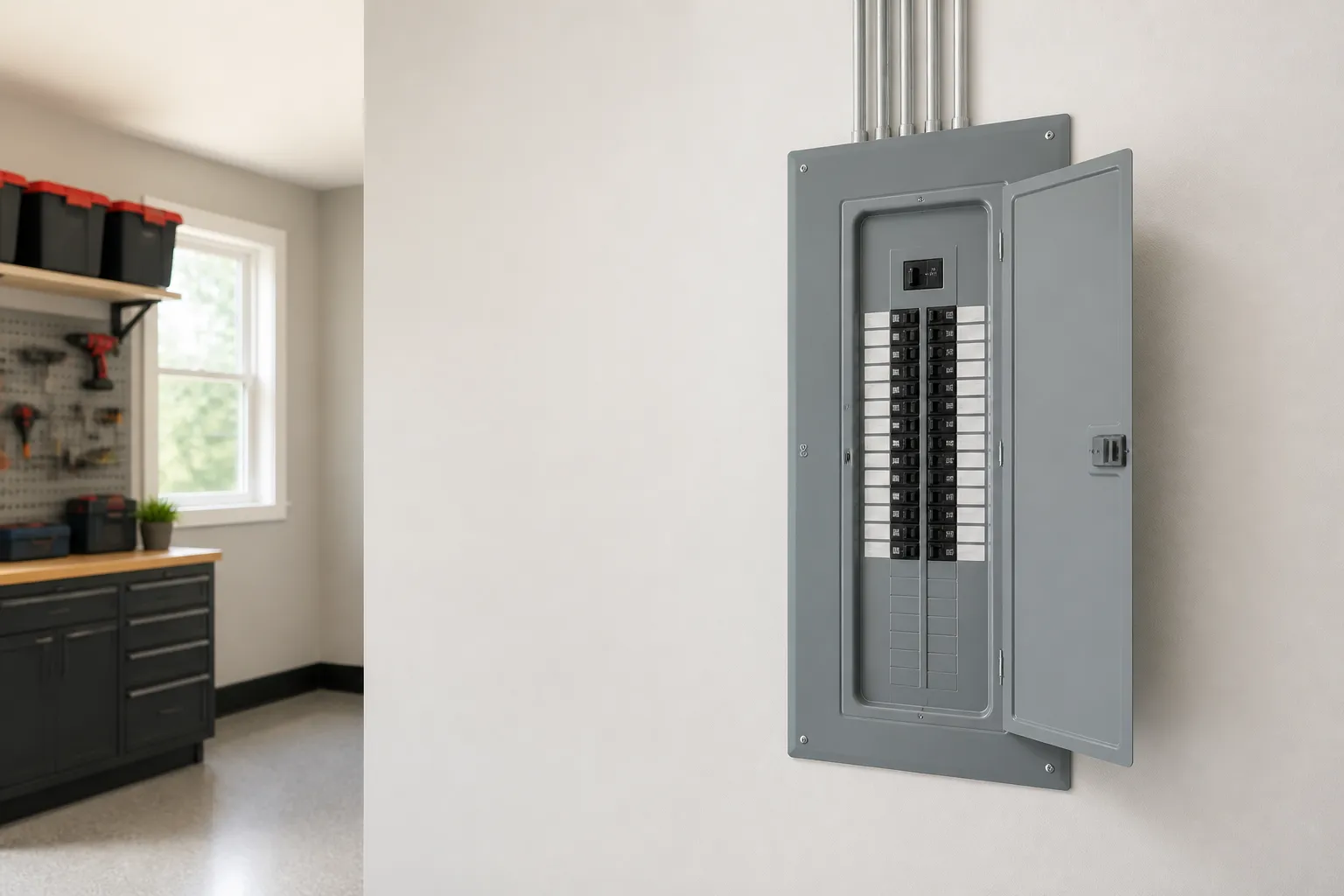
Panel upgrades for Lakeside homes facing overloads, tripping breakers, and outdated electrical capacity.
Learn More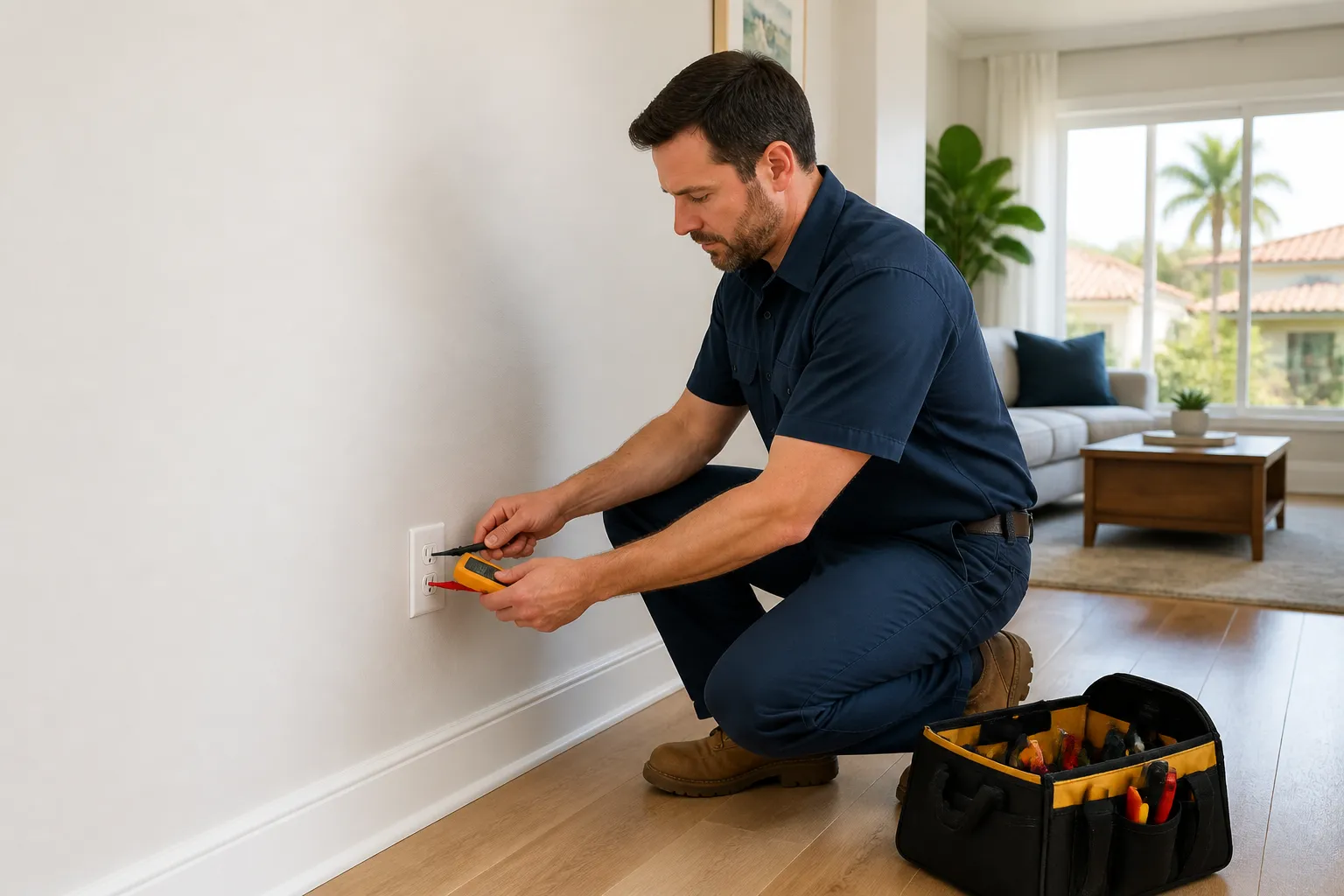
Fast, careful electrical repairs for troublesome outlets, breakers, lights, and wiring.
Learn More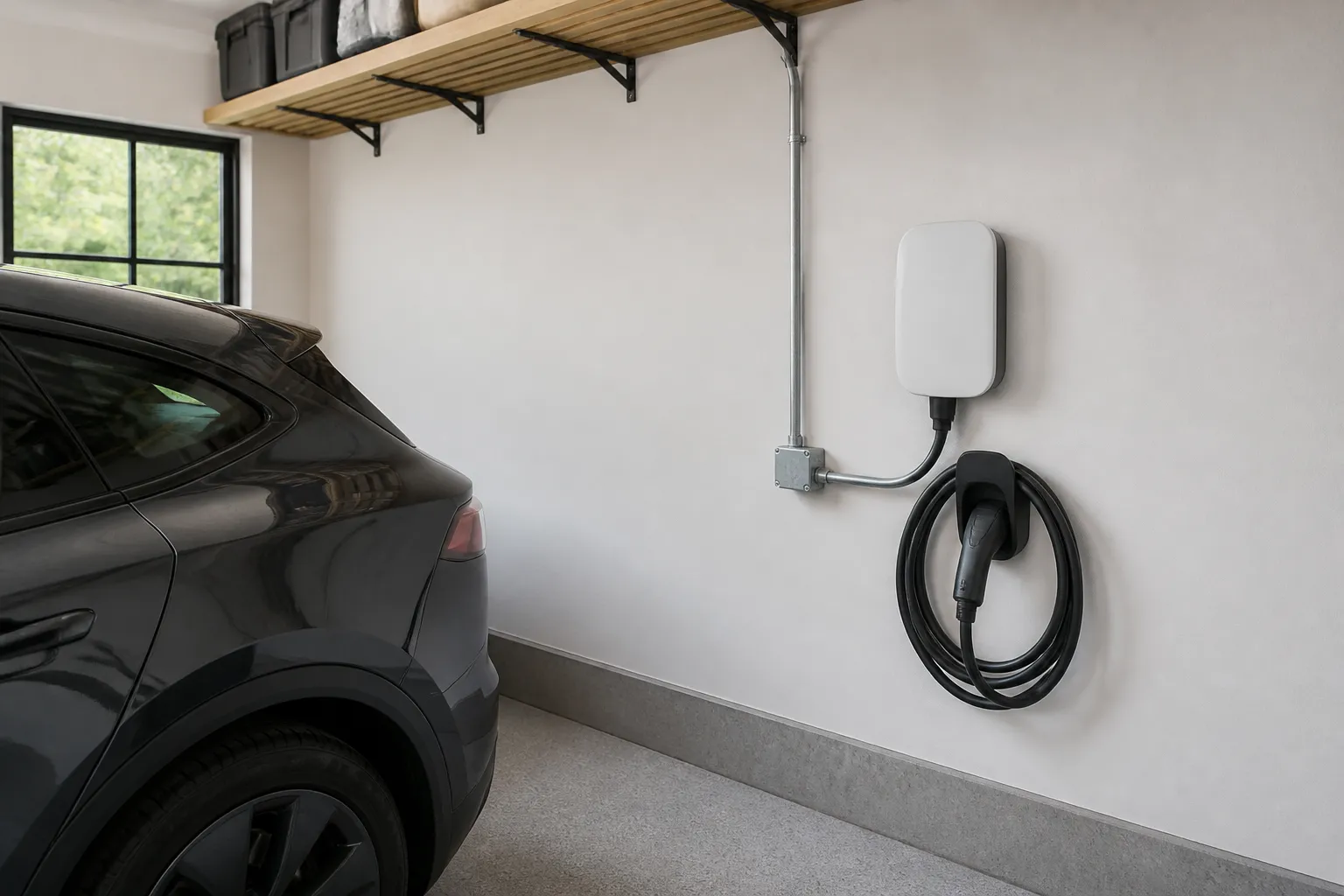
Fast, clean EV charger installation for Lakeside homes with clear planning and code-aware wiring.
Learn MoreFAQ
We handle a wide range of residential and commercial electrical services, including panel repairs, service upgrades, rewiring, lighting, EV charger installation, generator work, surge protection, troubleshooting, and code corrections.
Yes. We provide a written quote that outlines the scope of work, timeline, and price before any work begins.
Yes. Our team handles electrical work for homeowners, commercial properties, tenant improvements, retail spaces, offices, multifamily buildings, restaurants, and more.
We serve Lakeside and much of San Diego County, including surrounding communities such as El Cajon, Santee, La Mesa, San Diego, Poway, Ramona, Alpine, and others.
Yes. We regularly diagnose electrical issues and focus on finding the root cause so the repair is targeted and effective.
Yes. We install EV chargers, standby generators, and related equipment such as interlock kits and supporting electrical circuits.
When a permit is required by the local jurisdiction, we pull it under the company license and coordinate the inspection process through completion.
We are a strong fit for customers who want licensed electrical work done carefully, whether that means a repair, upgrade, installation, or larger commercial scope.
Get Started
Share a few details about your generator or electrical project and we will help you understand the next best step, whether you are planning a standby installation, scheduling maintenance, or upgrading the electrical system that supports it.