Sizing is the first real decision in a generator project and the one with the longest consequences. Undersize it and the system trips offline when too much starts at once. Oversize it and you have paid for capacity you will never draw, on a unit that runs less efficiently at light load.
Neither error is recoverable without spending the money again, which is why we treat sizing as its own piece of work rather than something to guess at from square footage.
Property size tells you almost nothing about electrical demand. A compact home with air conditioning, a well pump, and vehicle charging can draw considerably more than a larger home without them.
What actually matters is which loads have to run, which of them can run at the same time, and what happens at the moment a motor starts. Motor-driven equipment such as air conditioning, well pumps, and pool equipment draws substantially more current in the instant it starts than it does while running. A generator sized only for running load will stall when the compressor kicks in.
The process is not complicated, but it does require going through the property properly rather than working from assumptions.
First we build the list: everything you want backed up, with its actual electrical demand. Then we separate what genuinely runs simultaneously from what does not, because sizing for every load at once is how people end up buying far more generator than they need.
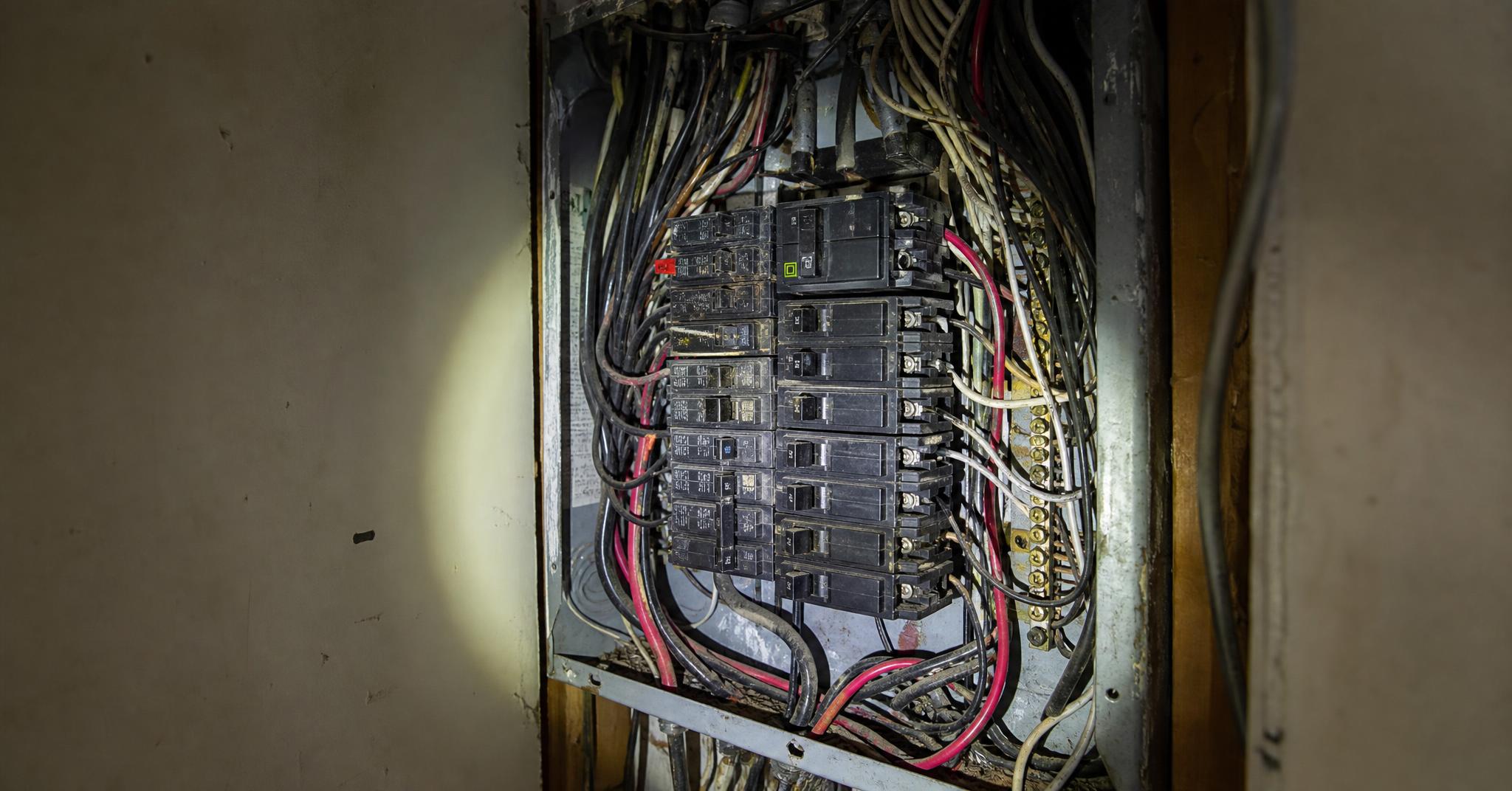
Then starting loads get added, since that determines the peak the generator has to survive. Finally we look at your existing panel and how the property is wired, because that constrains what is practical regardless of what the arithmetic says.
What comes out is a recommended capacity with the reasoning attached, so you can see which loads are driving the number and decide whether any of them are worth dropping.
This is where most of the money moves. Backing up the entire property requires enough capacity for everything. Backing up chosen circuits, which is often the more sensible answer, means a smaller unit and a smaller bill.
The circuits people usually protect are refrigeration, some lighting, heating controls, a well pump if there is one, internet and networking, and any medical equipment. Air conditioning is the usual swing decision, because it is frequently the single largest load and including it can change the size of the unit considerably.
There is no universally right answer. There is only what you are willing to go without for the duration of an outage, and that is a conversation rather than a calculation.
Commercial sizing follows the same logic with different priorities. The question becomes which systems have to survive for the business to keep operating, and what the cost of downtime actually is.
Refrigeration, payment systems, servers, building access, and safety systems tend to lead the list. See commercial standby generators for how that work is scoped.
Doing this before shopping means you arrive at the purchase conversation knowing what you need. It also surfaces panel or wiring constraints early, when they are still a planning item rather than a mid-project surprise.
If you are getting quotes elsewhere, a sizing assessment is genuinely useful leverage. It tells you whether a proposed unit is right for your property or simply the one somebody wanted to sell.
A simplified version of the exercise makes the logic clear. Imagine a property that wants refrigeration, a handful of lighting circuits, networking, a well pump, and air conditioning.
The refrigeration, lighting, and networking together are modest and steady. The well pump is small while running but demands a significant surge at the instant the motor starts. The air conditioning does the same and is larger. If the pump and the compressor can start at the same moment, the generator has to survive both surges on top of everything already running.
Now remove air conditioning from the list. The steady load barely changes, but the peak the generator must handle drops substantially, and so does the size of unit required. That single decision often moves the project more than any other.
This is why we go through the list with you rather than handing over a number. Seeing which loads are driving the size lets you make an informed trade rather than an uninformed purchase.
The assessment goes faster if you have thought about a few things first. Which rooms and systems genuinely matter during an outage. Whether the property has air conditioning, a well pump, or pool equipment. Whether anyone at the property depends on powered medical equipment. Whether an electric vehicle is charging there now or likely to be.
You do not need technical figures. Knowing what the property has and what you are unwilling to lose is enough for us to do the rest.
We can give you a rough direction, but not a number worth spending money on. Starting loads and panel condition need to be seen.
No, and most people should not. Selected circuits cover what matters for considerably less, which is why we go through the load list rather than defaulting to whole-property coverage.
Air conditioning, well pumps, and pool equipment, because of what they draw when they start rather than while running.
Then that becomes part of the project, and it is far better to know at the sizing stage. Panel upgrades would be scoped alongside rather than discovered later.
Not necessarily. But it is worth confirming the number before ordering, because that is the last easy moment to change it.
You have a specification you can act on, whether that is with us through generator installation or elsewhere.
Tell us what you want to keep running and whether the property has air conditioning, a well pump, or pool equipment. Those three answers shape most of the calculation.
Sizing sits within our generator services.
Get Started
Share a few details about your generator or electrical project and we will help you understand the next best step, whether you are planning a standby installation, scheduling maintenance, or upgrading the electrical system that supports it.