Services
Services
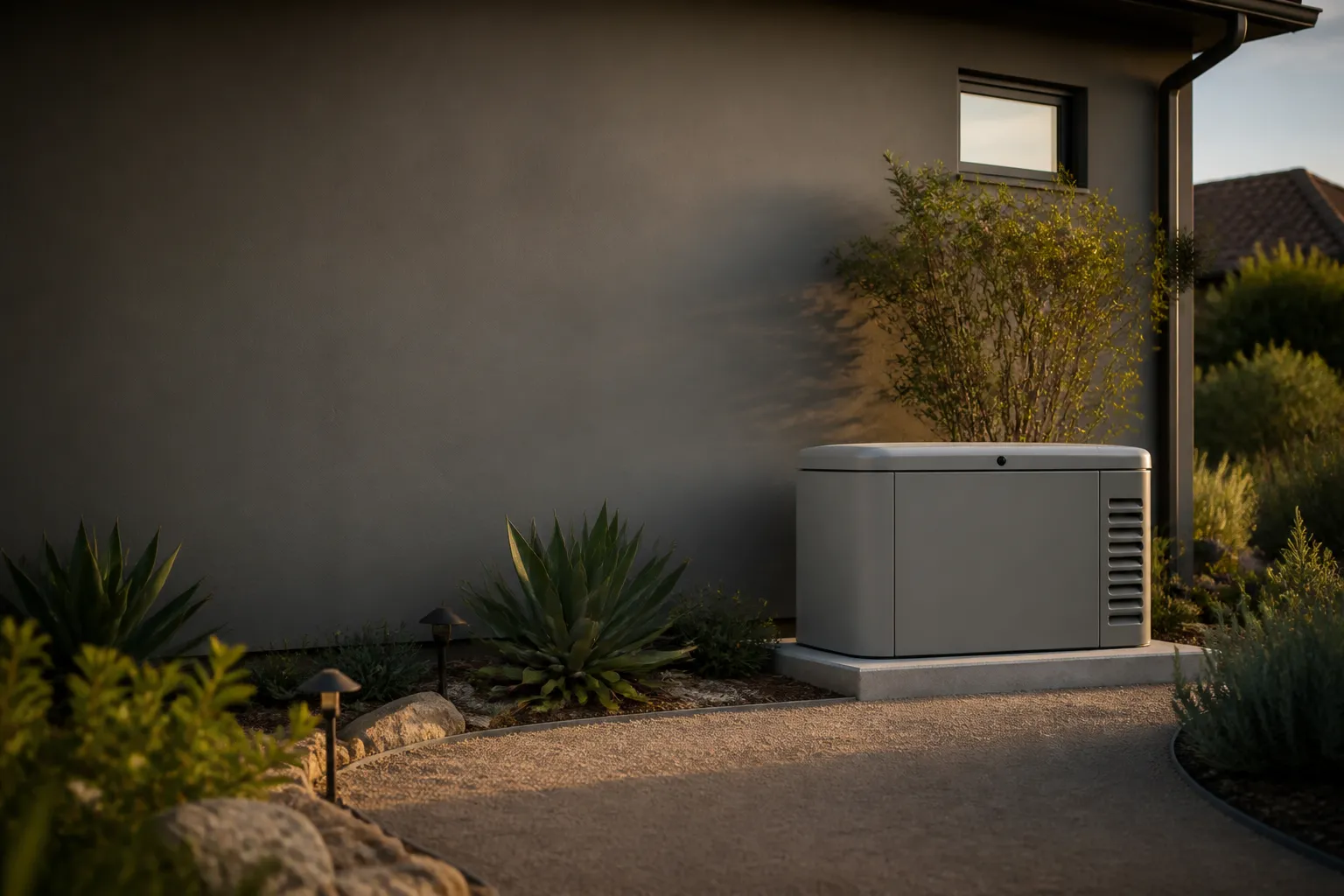
A standby generator is not a single product decision. It is a system: the unit itself, the transfer equipment that moves the property onto generator power, the panel it connects to, and the circuits you decide are worth protecting. Size it wrong and you either pay for capacity you never draw, or you find the shortfall during the first real outage.
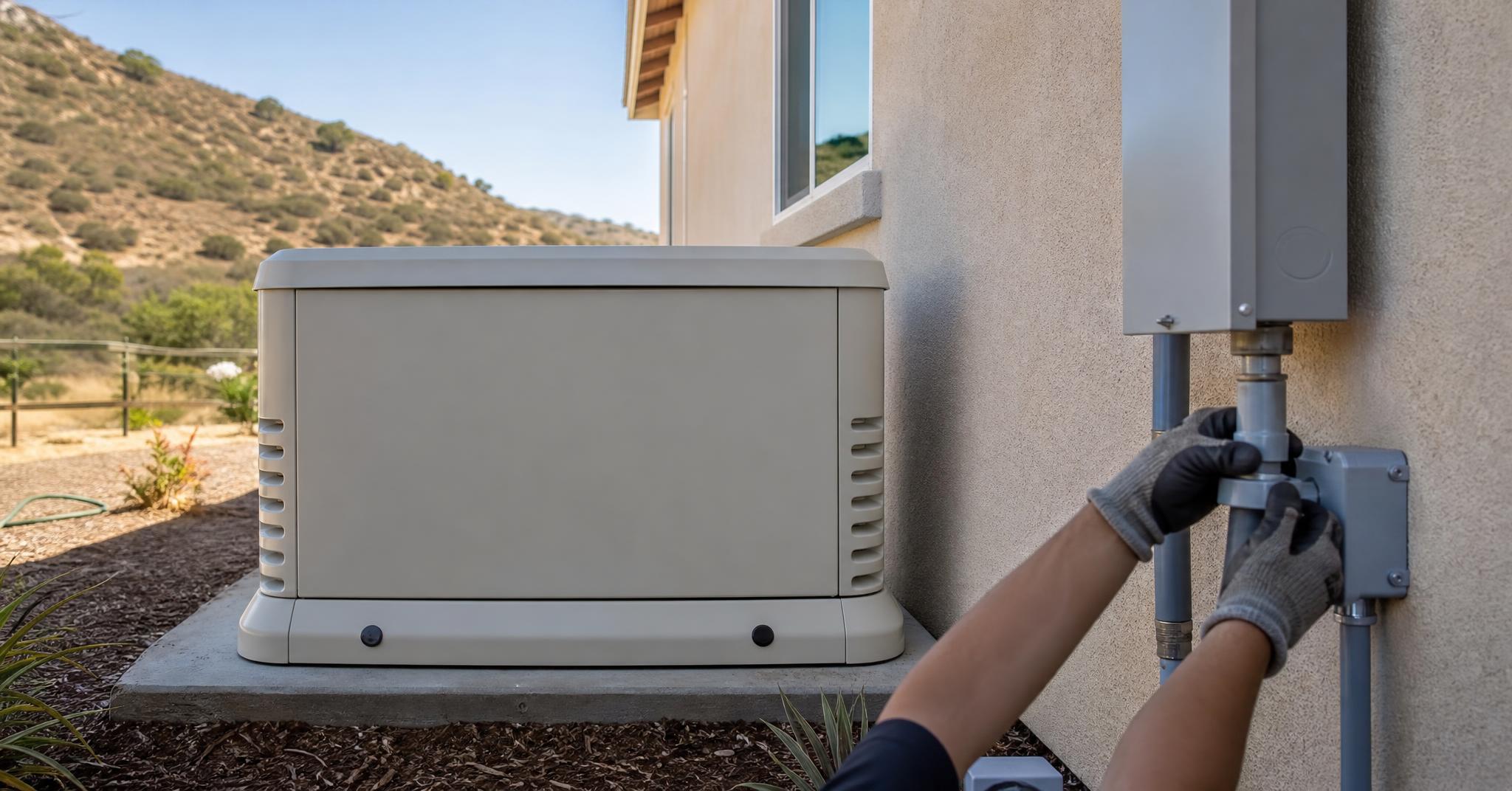
Peak Power Systems handles that whole chain. We are a licensed electrical contractor first, and that matters more than it sounds. Most generator problems we get called about are not engine problems. They are panel, wiring, and transfer-switch problems that were never resolved at installation.
Outages in San Diego County come from more than storms. Public Safety Power Shutoffs, where the utility de-energizes lines during high fire risk conditions, are planned events that can run considerably longer than a fault-driven outage. Backcountry and canyon-adjacent communities feel this most, which is why we see the heaviest interest in Alpine, Jamul, and Ramona.
The questions are the same everywhere, though. How long can the property go without power before it becomes a real problem? What has to keep running: refrigeration, a well pump, medical equipment, a home office, point-of-sale or server equipment for a business? Those answers drive the sizing, not the square footage.
Generator work splits into three stages: deciding what you need, getting it in correctly, and keeping it ready between outages.
Before you buy
Getting it in
Keeping it ready
Before recommending anything, we look at the existing panel. A generator that outpaces the electrical system it feeds creates a second project you did not budget for, and we would rather surface that at the estimate than mid-installation. If the panel needs attention first, we say so, and panel upgrades become part of the same conversation rather than a surprise.
We also talk through what a partial-coverage setup looks like versus whole-property backup. Protecting selected circuits is often the more sensible answer, particularly on older properties where the alternative is a much larger unit and a much larger bill. There is no single right answer here, which is exactly why it is worth a conversation before anything is ordered.
Generator work rarely stays neatly inside its own lane. Transfer equipment ties into the panel. Circuit priorities depend on how the property is wired. Older properties sometimes need whole home rewiring or surge protection addressed alongside the install, because a generator that runs into compromised wiring has not solved the underlying problem.
Because we handle the electrical side ourselves, that work does not get subcontracted out or deferred. It is scoped, quoted, and completed as one project.
People are usually surprised by how much of a generator project happens before anything is delivered. The order roughly runs: assess the property and the load, confirm what the existing panel can support, decide the coverage strategy, choose placement, handle permitting and utility coordination, then install and commission.
Placement is worth more thought than it usually gets. A generator needs clearance, has to sit somewhere that meets code, and runs periodically for self-testing. Putting it directly outside a bedroom window solves the electrical problem and creates a different one. We walk the property for this rather than deciding it from a floor plan.
Commissioning is the step that separates a working installation from a finished one. The system gets tested under transfer conditions so you have seen it work before you need it to, and you get walked through what the unit does on its own, what the indicators mean, and what to do if something looks wrong.
We quote per project because the range is genuinely wide, and the variables are not mysterious. The main ones are the size of the unit, whether you are backing up selected circuits or the whole property, the distance between the generator and the panel, whether the panel needs work first, and what the fuel supply situation looks like.
Distance and panel condition are the two that most often move a quote away from a homeowner's initial expectation. Both are visible during an assessment, which is why we would rather do the assessment than give a number over the phone that we have to revise later.
The logic is the same for a business, but the stakes change. The question shifts from comfort to continuity: what does an hour of downtime cost, which systems have to survive it, and what happens to refrigerated stock, payment systems, or building access when the power drops.
Commercial work also tends to carry more coordination, both with the utility and around the operating schedule of the business. That is planning, not difficulty, and it belongs in the estimate rather than as a surprise mid-project.
A standby generator spends nearly all of its life not running. That is exactly the problem. Fuel degrades, batteries lose capacity, and small faults go unnoticed because nothing is watching. The failure mode for a neglected standby unit is discovering the fault during the outage it was bought for.
Regular service is the difference between owning a generator and having standby power. It is a modest ongoing commitment against a significant one-time investment, and it is the part owners most often let slide.
The first step is a conversation about the property and what has to stay running. From there we can talk sizing, placement, transfer options, and what the panel will and will not support. You get a clear scope and a clear price before any work begins.
Pricing varies more than most people expect, because sizing, panel condition, gas supply and placement are all specific to the property. We have set out the ranges and what moves them here: how much a whole-home generator costs in San Diego County. The same page has a calculator that returns a real range for your address in a few minutes.
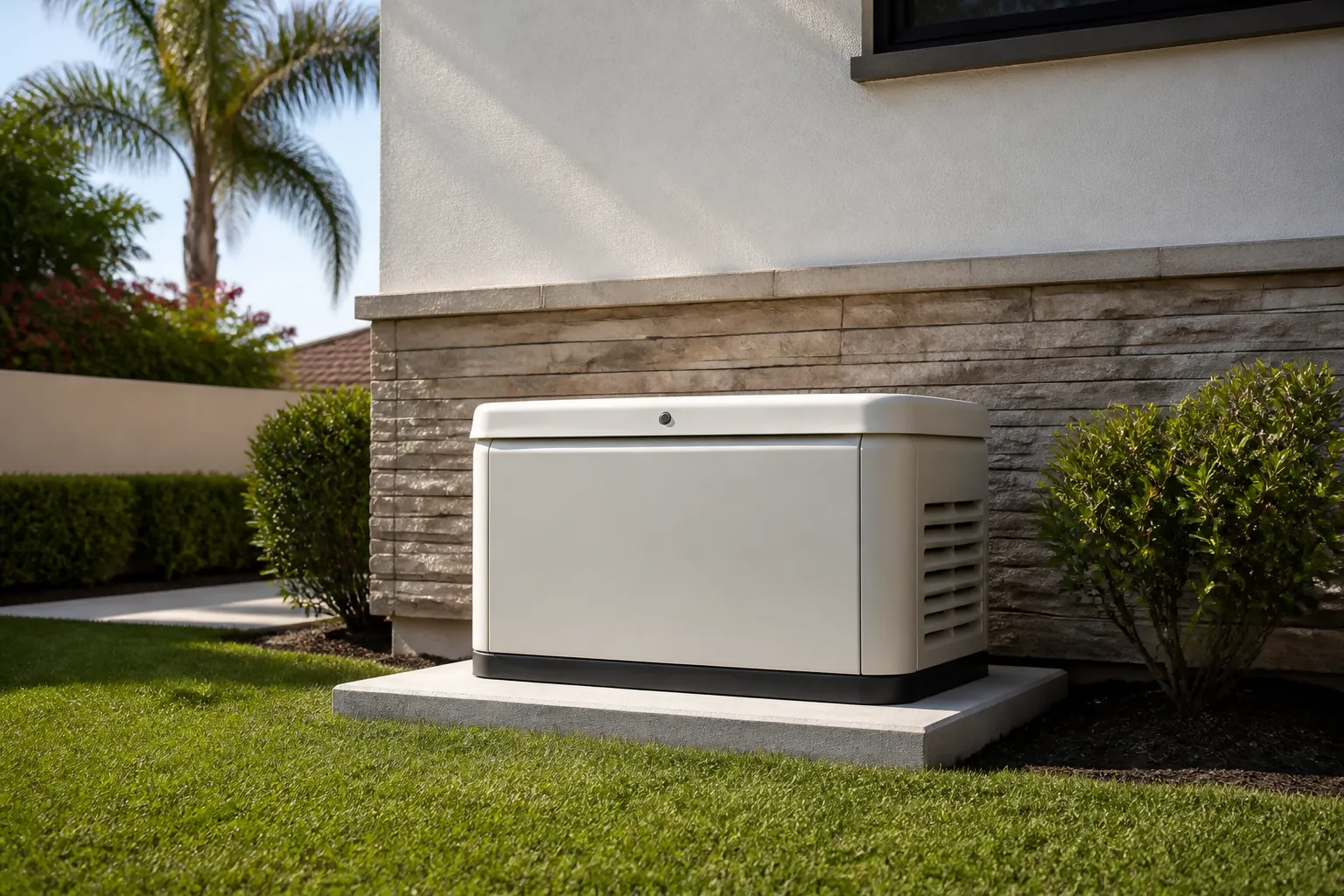
Reliable generator installs for Lakeside homes, with clean planning, careful wiring, and clear handoff.
Learn More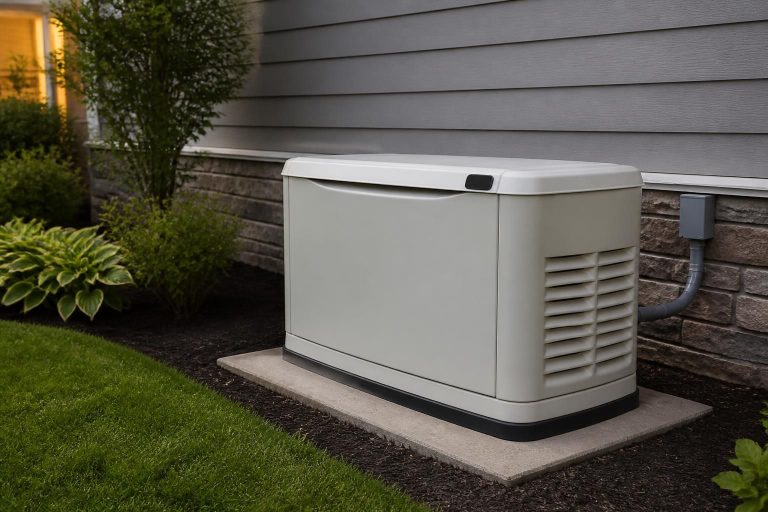
Diagnosis and repair for standby generators that fail to start, shut down early, or will not transfer.
Learn More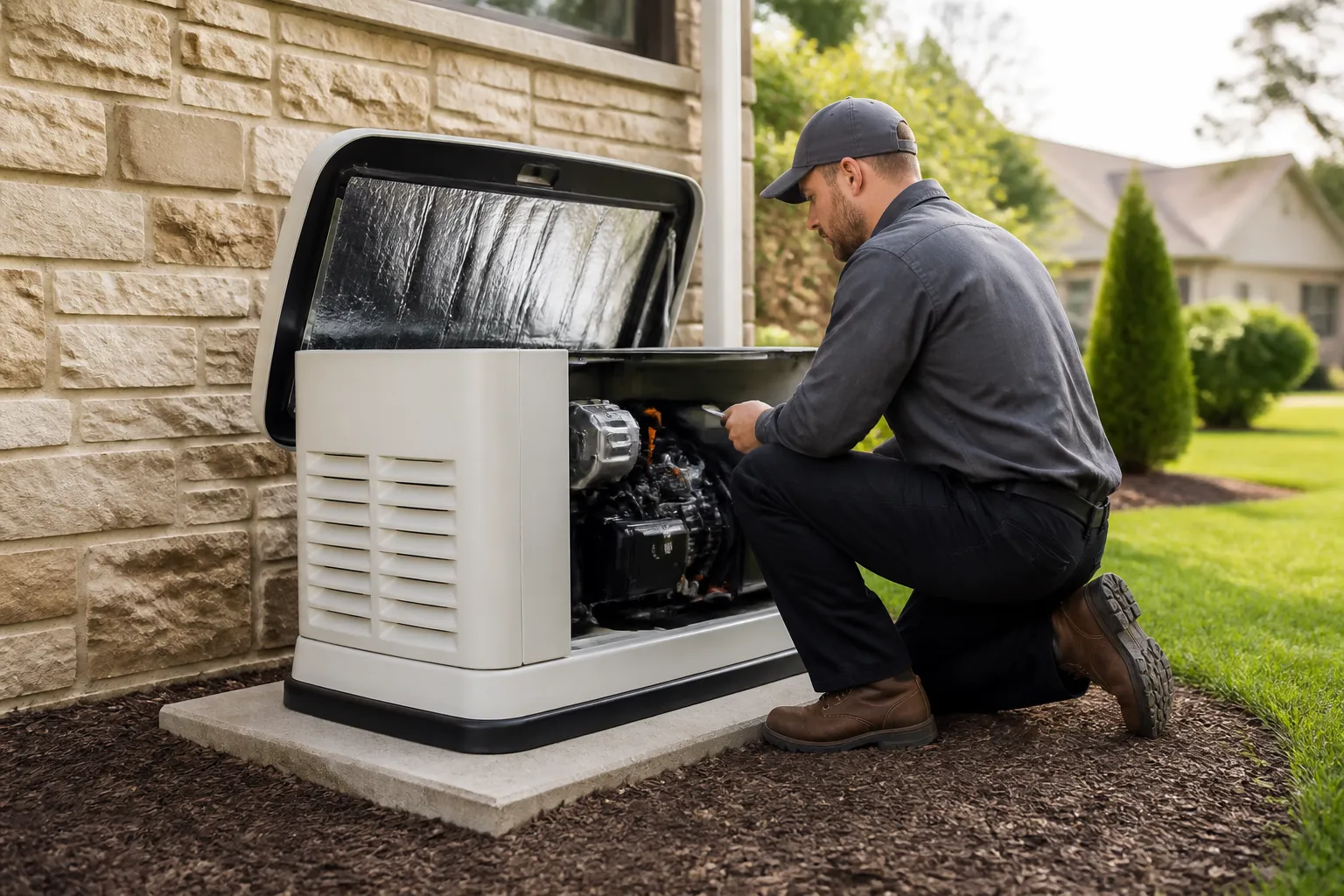
Keep your standby generator ready with careful maintenance for Lakeside homes.
Learn More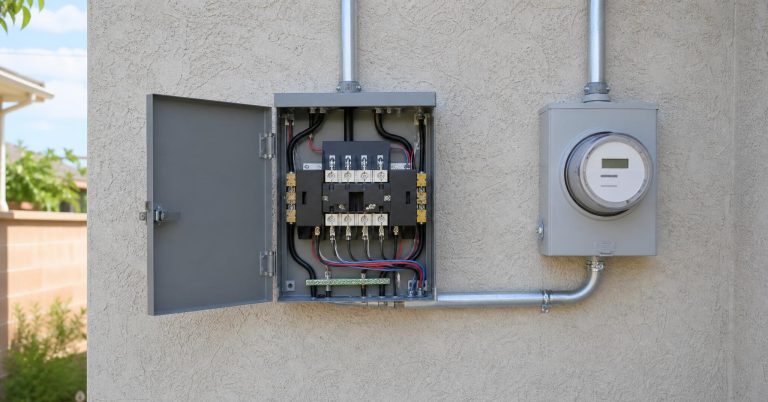
Transfer switch installation and replacement, the equipment that actually moves your property onto generator power.
Learn More
Supply and installation of standby generators, matched to the property rather than to whatever is in stock.
Learn More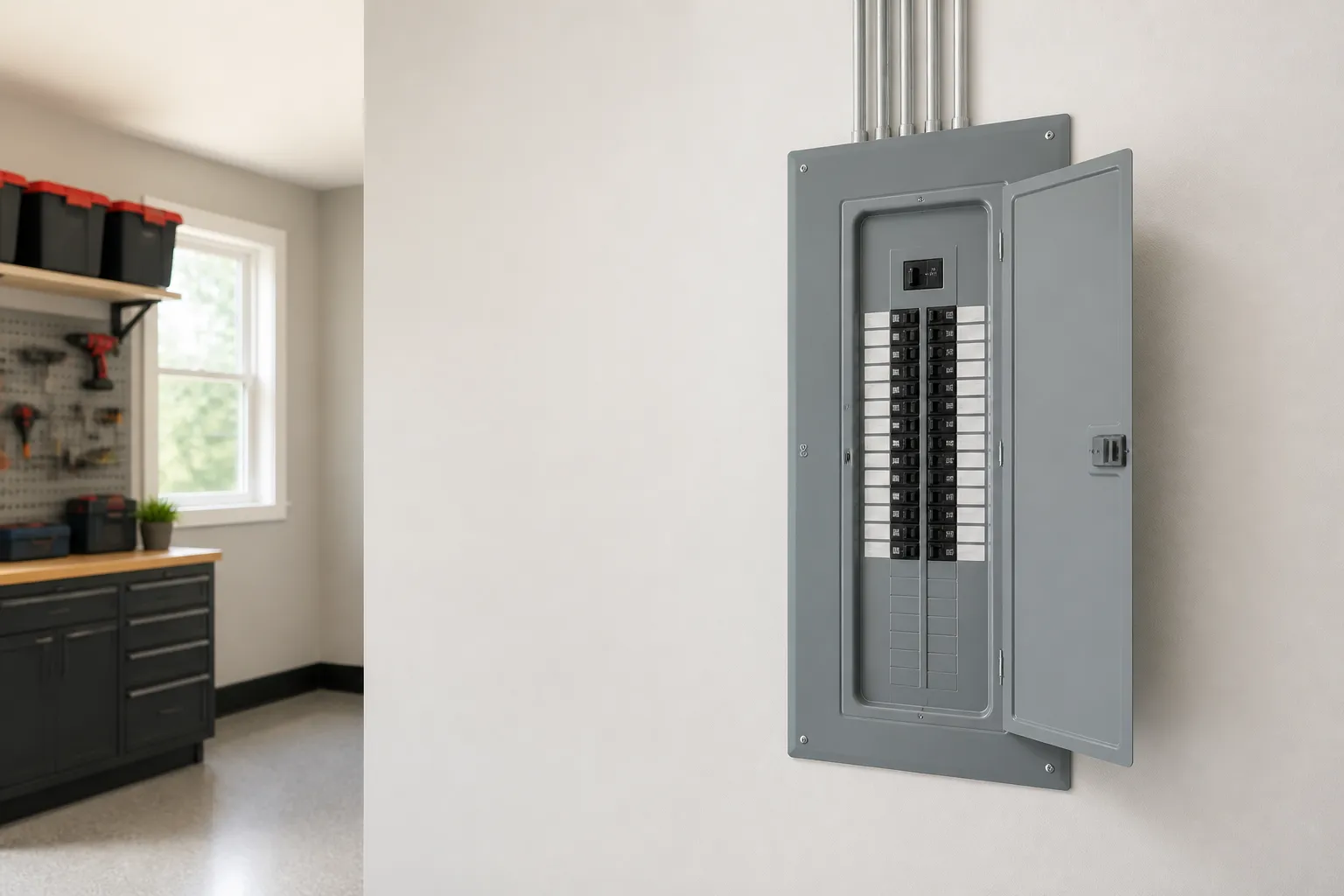
Panel upgrades for Lakeside homes facing overloads, tripping breakers, and outdated electrical capacity.
Learn More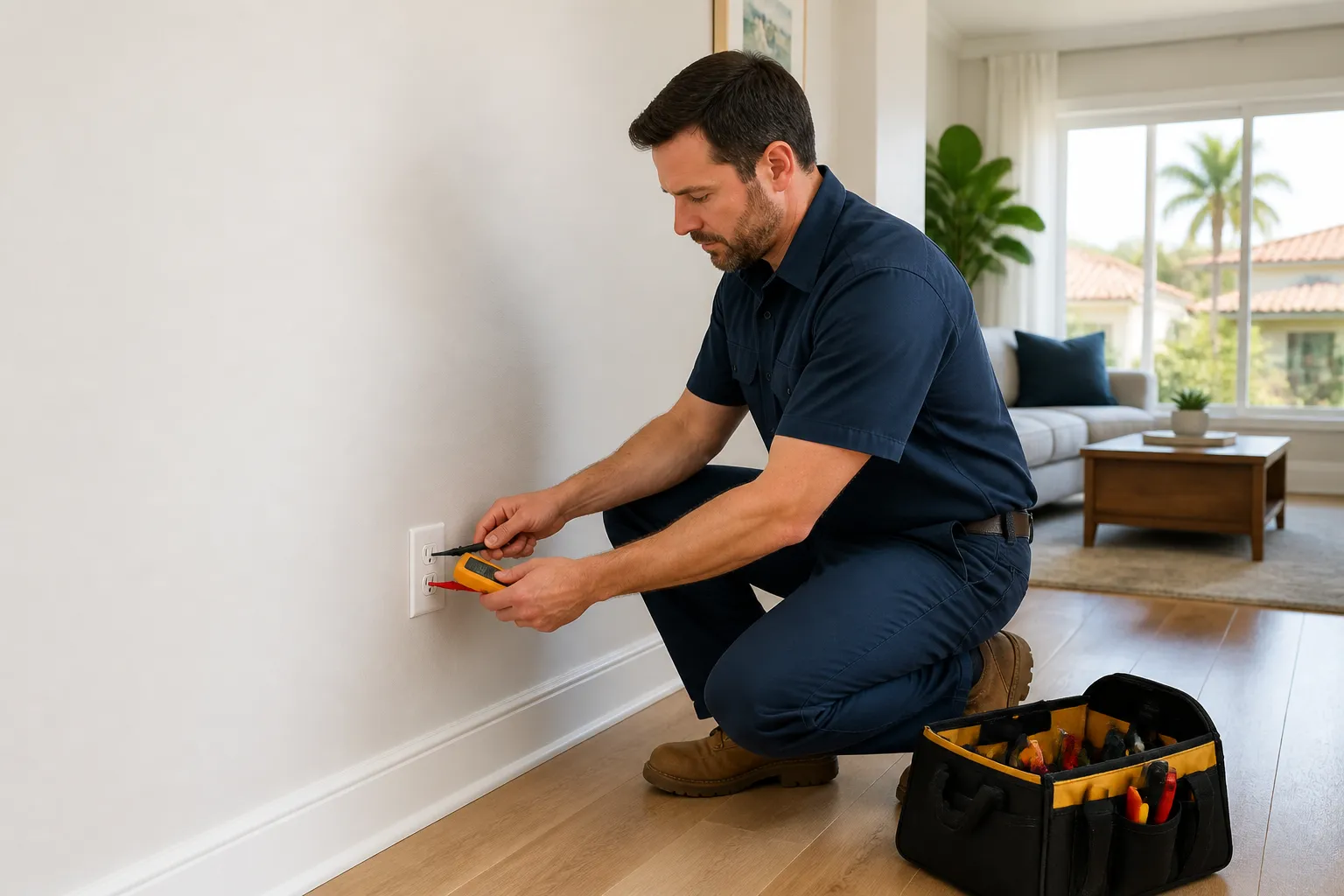
Fast, careful electrical repairs for troublesome outlets, breakers, lights, and wiring.
Learn More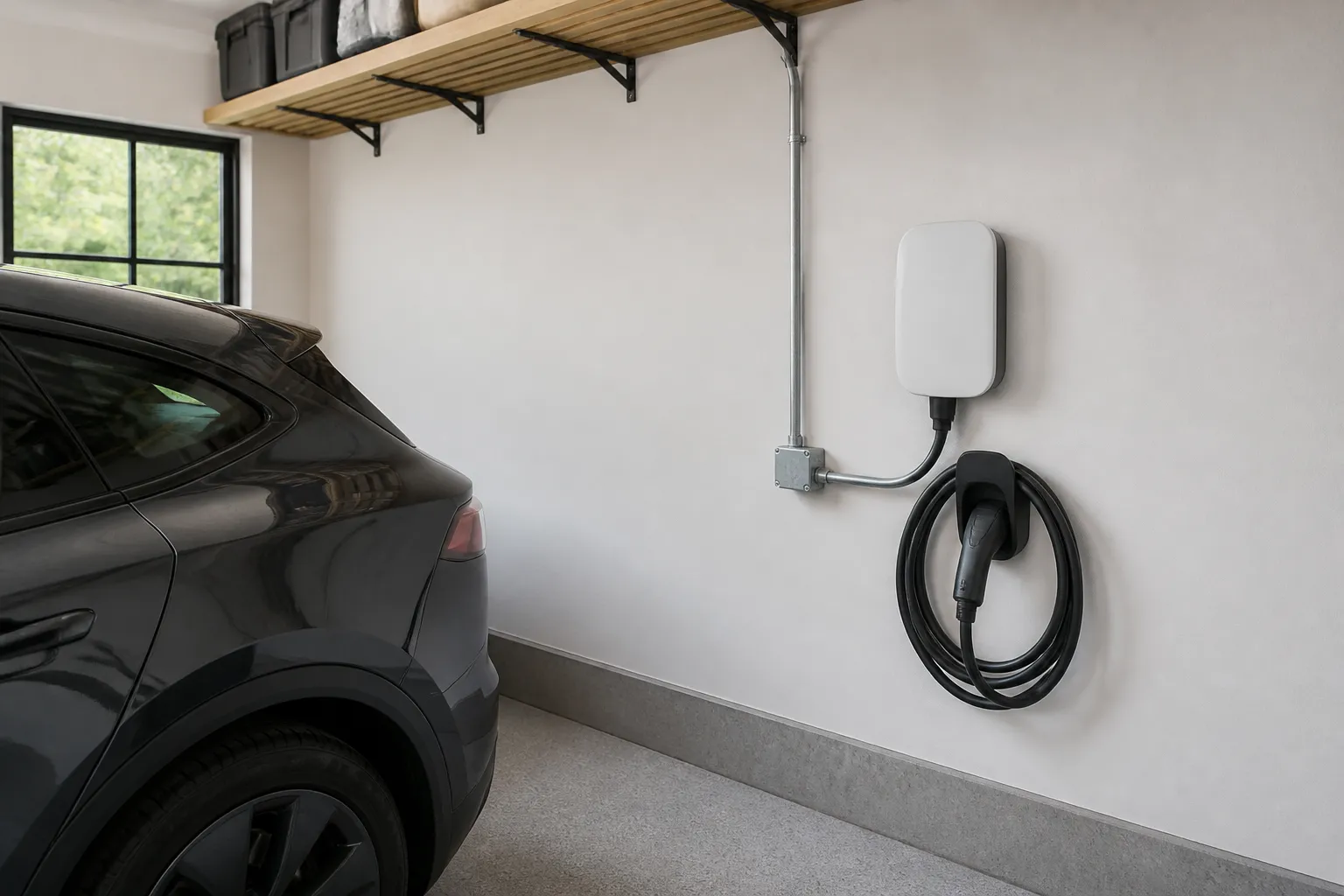
Fast, clean EV charger installation for Lakeside homes with clear planning and code-aware wiring.
Learn MoreFAQ
We handle a wide range of residential and commercial electrical services, including panel repairs, service upgrades, rewiring, lighting, EV charger installation, generator work, surge protection, troubleshooting, and code corrections.
Yes. We provide a written quote that outlines the scope of work, timeline, and price before any work begins.
Yes. Our team handles electrical work for homeowners, commercial properties, tenant improvements, retail spaces, offices, multifamily buildings, restaurants, and more.
We serve Lakeside and much of San Diego County, including surrounding communities such as El Cajon, Santee, La Mesa, San Diego, Poway, Ramona, Alpine, and others.
Yes. We regularly diagnose electrical issues and focus on finding the root cause so the repair is targeted and effective.
Yes. We install EV chargers, standby generators, and related equipment such as interlock kits and supporting electrical circuits.
When a permit is required by the local jurisdiction, we pull it under the company license and coordinate the inspection process through completion.
We are a strong fit for customers who want licensed electrical work done carefully, whether that means a repair, upgrade, installation, or larger commercial scope.
Get Started
Share a few details about your generator or electrical project and we will help you understand the next best step, whether you are planning a standby installation, scheduling maintenance, or upgrading the electrical system that supports it.