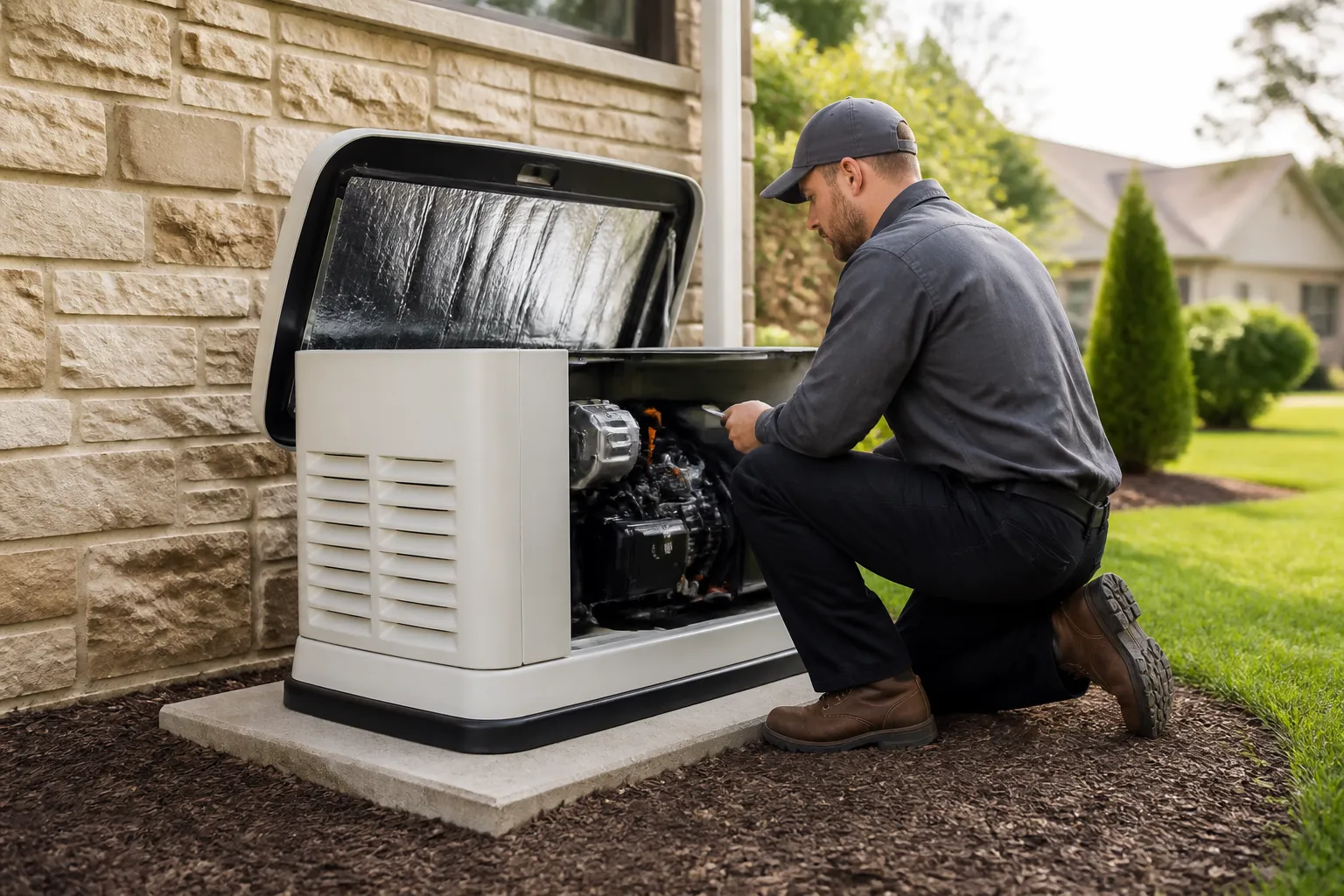
When a generator sits idle for months, small problems can turn into a no-start, rough run, or warning light at the worst time. If yours has been hesitating, making unusual noise, showing a fault code, or struggling during a test run, it is time to have it checked before you count on it.
Peak Power Systems handles generator maintenance for homeowners and property owners across Lakeside with a thorough, practical approach. We inspect the unit, test the key operating points, clean what needs attention, and look for the kind of wear that can shorten service life or leave you without backup power when you need it most.
Generator maintenance is more than a quick visual check. It is a service visit built to catch the small issues that affect starting, load handling, and safe operation. On each visit, we focus on the parts that matter most to dependable standby performance.
If a concern shows up during the visit, we explain what it means and what needs to be done next. The goal is to leave you with a clear picture of the unit’s condition, not a vague checklist.
Most homeowners do not think about their generator until the first time it is needed. A few warning signs are worth acting on sooner rather than later.
If the unit cranks longer than usual or hesitates before starting, the battery, starter, or related controls may need attention.
Unsteady operation, stumbling, or surging can point to fuel, control, or load-related issues that deserve a closer look.
Modern generators often tell you when something is off. A code is not just a nuisance light. It is a clue that should be interpreted before the problem grows.
New rattling, grinding, or excessive vibration may mean a loose part, a mounting issue, or internal wear.
If a routine exercise cycle ends with alarms or an unexpected shutdown, the unit should be inspected before the next outage.
Even if the generator still starts, these signs can point to a problem that will be more expensive or inconvenient later. A maintenance visit helps catch that early.
Generator maintenance should feel straightforward. We keep the process organized so you know what is being checked and why.
We start by looking over the equipment’s condition, recent behavior, and any symptoms you have noticed. That includes startup issues, alarms, or changes in how the unit sounds or runs.
Next, we run the generator and observe how it responds. This step helps reveal problems that do not show up when the unit is sitting still.
We check accessible electrical and mechanical points that can affect reliability, including connections, controls, and visible wear items. If something needs cleaning or adjustment, we address it within the scope of the visit.
Before we wrap up, we walk you through what we found and what should happen next. If the generator only needs routine attention, we will say so. If a repair or replacement part is recommended, we explain the reason clearly.
A maintained generator is easier to trust. That matters most when the power goes out, but it also matters during the rest of the year because a neglected unit can create nuisance problems, repeated starting trouble, or avoidable wear.
Routine maintenance helps you:
For Lakeside properties, that peace of mind is especially valuable when a generator has been installed for convenience, home protection, or critical backup needs. You should not have to guess whether it will respond when called on.
Different generators show different patterns over time, but some issues come up again and again. Catching them early can save the unit from bigger trouble.
These are the kinds of problems that do not fix themselves. They tend to worsen slowly, then show up all at once when the generator is supposed to take over.
Peak Power Systems serves Lakeside from a local base with a focus on practical electrical work for homes and small properties. For generator maintenance, we pay attention to the details that make a difference at the moment of use, not just the parts that are easy to see.
Homeowners often want a straightforward answer: is the generator ready, and if not, what should happen next? We aim to give that answer clearly. If the unit needs follow-up work, we explain the concern without padding the visit with unnecessary add-ons. If it looks sound, we tell you what we found so you can move forward with confidence.
Because generators are backup equipment, they are easy to forget until they are needed. A periodic check helps keep them from becoming a surprise problem. If your unit has been sitting untouched or acting differently, that is the right time to schedule maintenance.
A little preparation makes the appointment smoother and helps us focus on the generator itself.
That information helps narrow down the likely cause faster, which is useful when a generator issue is intermittent or hard to repeat on command.
Maintenance sits within our generator services and is the part that decides whether the rest of the investment actually works when you need it.
The right interval depends on how the unit is used and what type of backup setup you have. If it has been a long stretch since anyone looked at it, a maintenance visit is a smart next step.
Changes in sound can point to a loose part, a mounting issue, or another developing concern. That is worth inspecting before the next run.
Yes. Fault messages are useful clues, and we review them as part of the maintenance visit so you can understand what the unit is trying to report.
It often does. Battery wear, connection issues, and control problems are common reasons a generator becomes unreliable at startup.
Do not assume it is ready just because it is installed. A long idle period can hide battery weakness, control issues, or other problems that show up during the first test.
Yes. A maintenance visit is often the best way to separate a simple upkeep item from a true repair need, especially when the symptoms are subtle.
If your generator is overdue for attention, has started acting differently, or you simply want a clear check before relying on it again, Peak Power Systems can help. We serve Lakeside homeowners with generator maintenance that is careful, direct, and focused on real readiness.
Contact Peak Power Systems at 619-333-5897 or info@peakpowersystems.com to arrange generator maintenance at 9420 Woodside Ave, Suite 6, Lakeside, CA 92040.

Get Started
Share a few details about your generator or electrical project and we will help you understand the next best step, whether you are planning a standby installation, scheduling maintenance, or upgrading the electrical system that supports it.