Services
Services
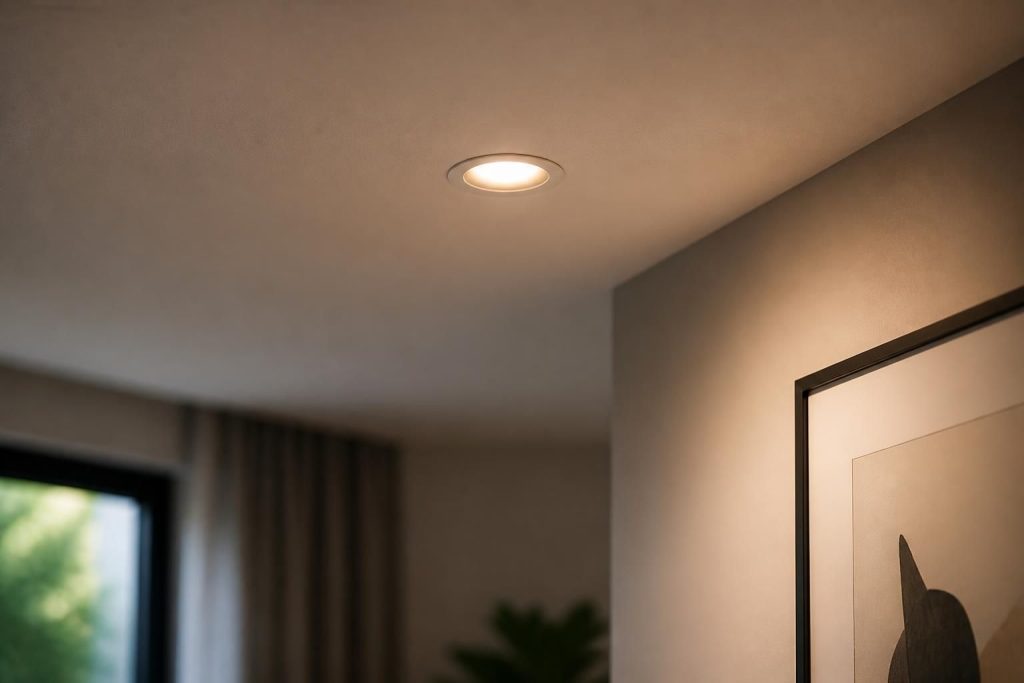
Most of what we do disappears behind a wall when it is finished. Lighting is the exception. It is the part of the electrical system people interact with every day, and the part where the difference between a planned job and a rushed one is visible from across the room.
It is also the work most often judged on the wrong thing. People shop fixtures. Fixtures matter far less than where the light goes, how it is switched, and whether the room has the circuits to support it.
Almost always for the same reason: one light source is being asked to do every job. A single fixture in the middle of a ceiling gives flat, even light that is useless for working under and unflattering everywhere else.
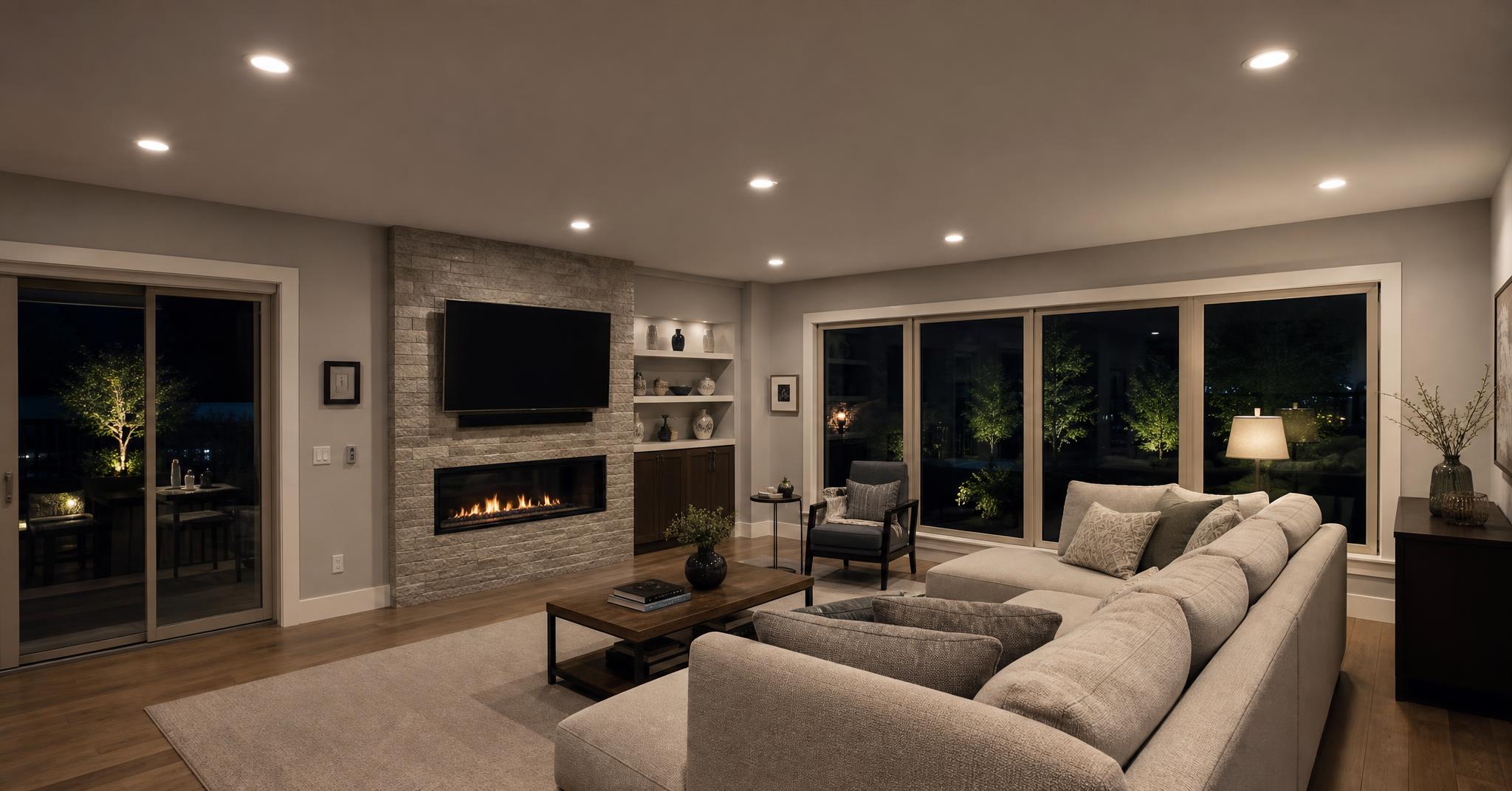
Working lighting is layered. General light sets the level of the room. Task light goes where something specific happens, like a counter, a desk, or a workbench. Accent light gives the space depth. Rooms that never feel right usually have one of those three and none of the others.
The second most common cause is switching. A room with well-placed fixtures all on one switch cannot do the layered thing it was designed for. Separating circuits and putting switches where people actually enter a room are cheap decisions at rough-in and awkward retrofits afterwards.
The useful work happens before installation. Where light needs to be, what it is for, how it is controlled, and how the room is used at different times of day. Getting that right with fewer fixtures beats getting it wrong with more, and the planning conversation is free.
For remodels, the moment to have it is while walls and ceilings are open. Adding a circuit then is straightforward. Adding it afterwards means opening finished surfaces again.
A lot of lighting work in the older housing across Lakeside, El Cajon, and La Mesa is replacement rather than new installation. Fixtures from several decades ago, sometimes on circuits that were never intended to carry what the room now runs.
Retrofit work is usually less disruptive than people expect, but it does surface whatever is behind the fixture. Where we find aged wiring or an overloaded circuit we will tell you, because installing new lighting onto a compromised circuit solves the appearance and not the problem. That is where wiring services or a panel conversation enters.
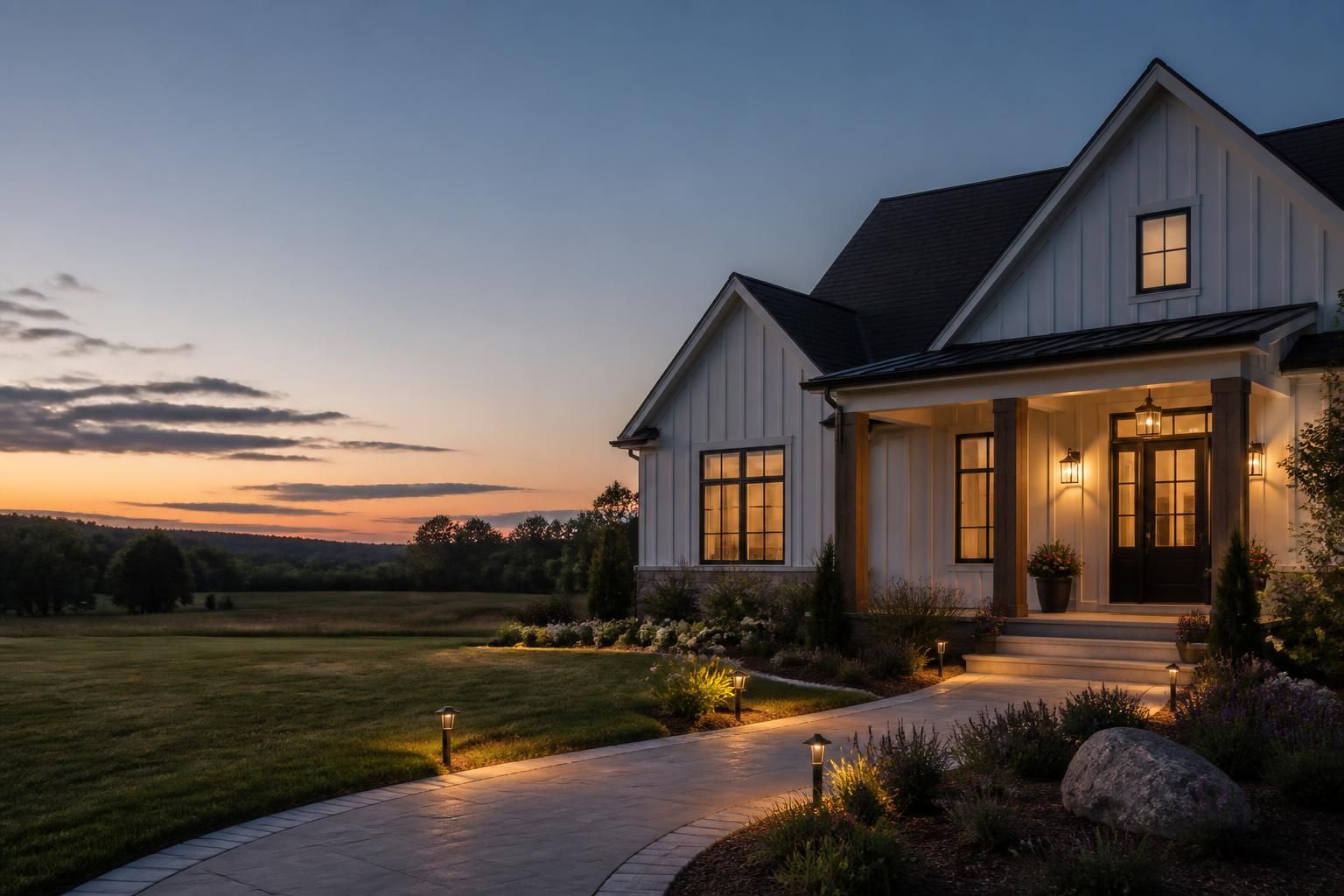
Exterior lighting has constraints interior work does not. Fixtures and wiring have to survive weather over years. Routes need planning around landscaping and hardscape. And placement has to account for where light is genuinely wanted rather than where it becomes glare for you or a neighbour.
It is also worth doing once. Redoing exterior runs means disturbing the ground again, which is the expensive part.
Dimming is the cheapest upgrade in lighting and the most often skipped. The same fixtures at full output and at forty percent produce two completely different rooms, and dimming extends lamp life as a side effect.
Where it gets technical is compatibility. Older dimmers were designed for a different kind of load and can produce flicker or an audible buzz with modern LED. That is a solvable problem, but it needs checking rather than assuming, and it is far easier to handle while the fixtures are being changed anyway.
Switch placement deserves the same attention. A light you have to cross a dark room to turn on is a design failure regardless of how good the fixture is. On a remodel this costs nothing to get right and is awkward to change afterwards.
If walls or ceilings are open for any reason, that is the moment for lighting decisions. New circuits, repositioned fixtures, added switching, and anything you might want later are all straightforward while there is access and expensive once there is not.
It is also the moment to think one step ahead. If a room might eventually want under-cabinet lighting, or an exterior fixture on a wall that is currently open, running the circuit now costs a fraction of returning for it.
The same principles apply to business premises, with different priorities. Consistency matters more, because uneven light across a workspace is noticeable in a way it is not at home. Maintenance access matters more, because a failed lamp at height is a scheduling problem rather than a five-minute job. And running cost carries more weight when fixtures run for twelve hours a day rather than four.
That combination usually pushes commercial work toward longer-life fixtures and layouts planned around serviceability, which is a different calculation to a living room.
Three things, mostly. Whether we are working with existing circuits or adding new ones, which is the largest single factor. How much access we have, since a finished ceiling costs more to work above than an open one. And the fixtures themselves, which vary more than anything else on the list and are the part you actually choose.
We quote per project rather than per fixture, because a straightforward swap and a room that needs two new circuits are different jobs even at the same fixture count.
Tell us the room, or the outdoor space, and what is not working about it now. That is enough to start a useful conversation. If the project is part of a remodel, bring us in while the walls are still open.
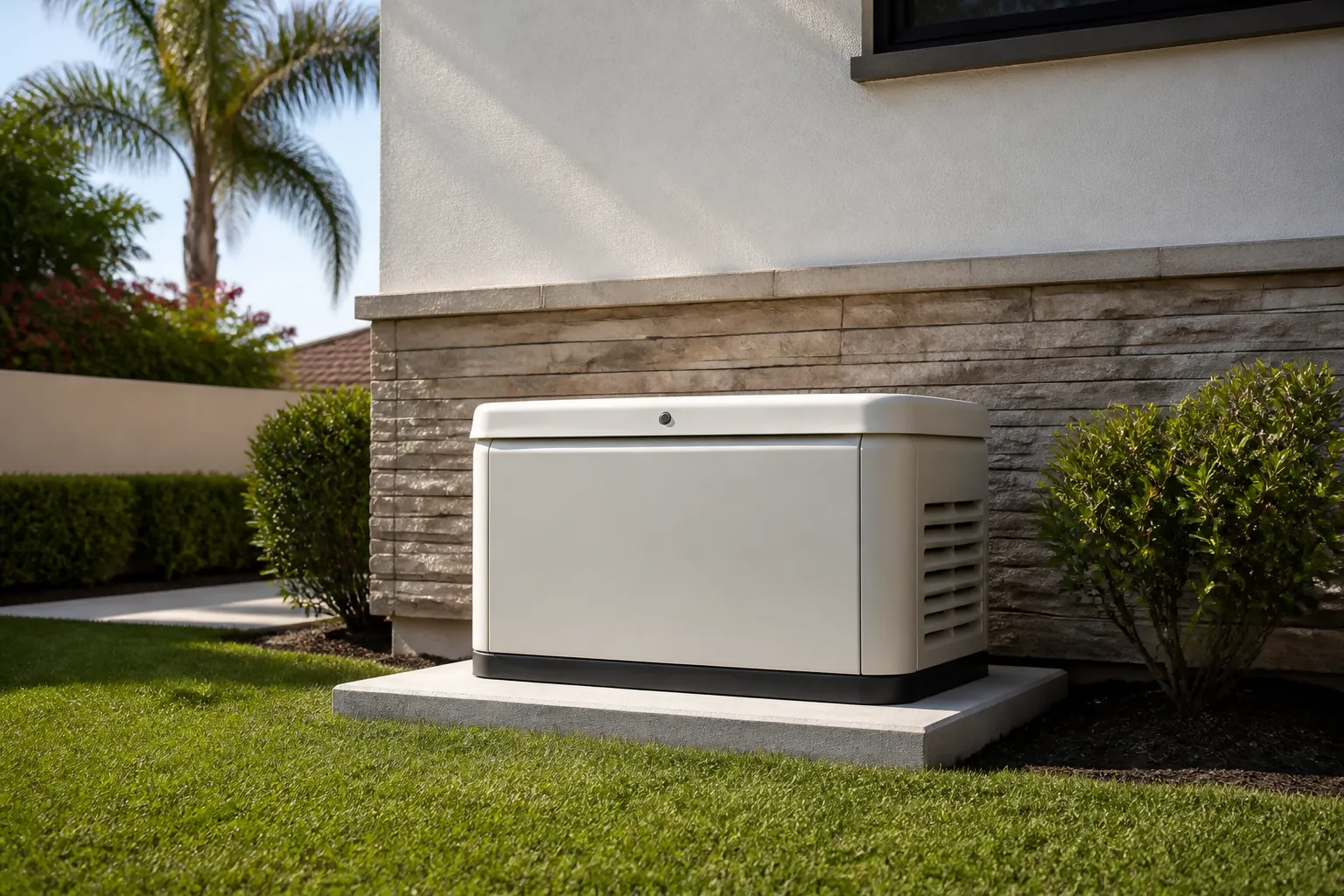
Reliable generator installs for Lakeside homes, with clean planning, careful wiring, and clear handoff.
Learn More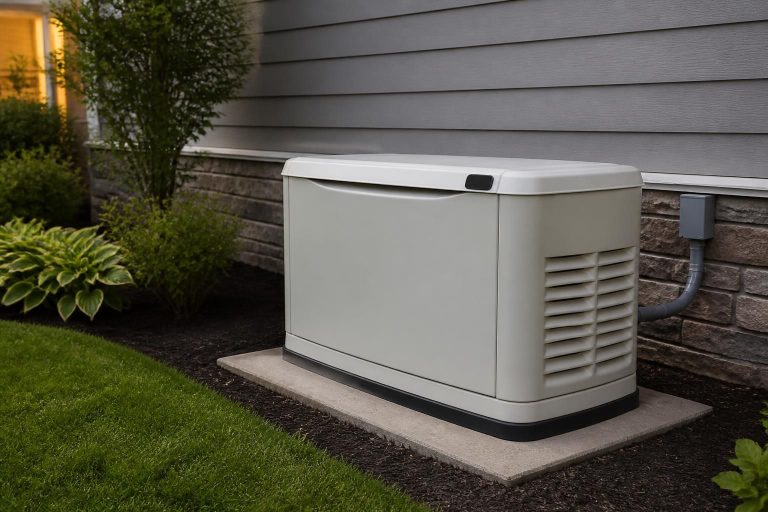
Diagnosis and repair for standby generators that fail to start, shut down early, or will not transfer.
Learn More
Keep your standby generator ready with careful maintenance for Lakeside homes.
Learn More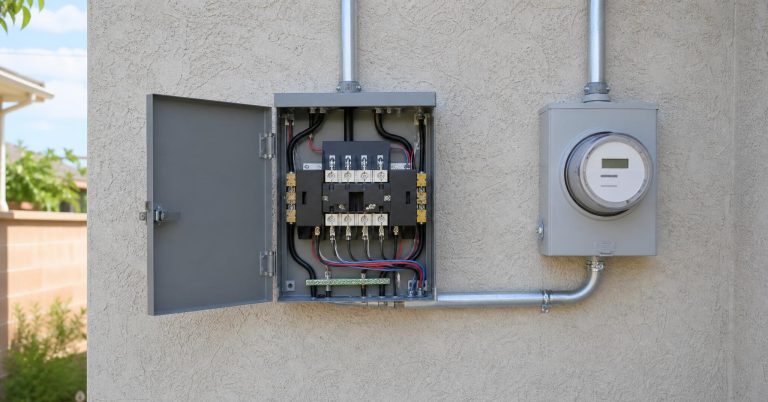
Transfer switch installation and replacement, the equipment that actually moves your property onto generator power.
Learn More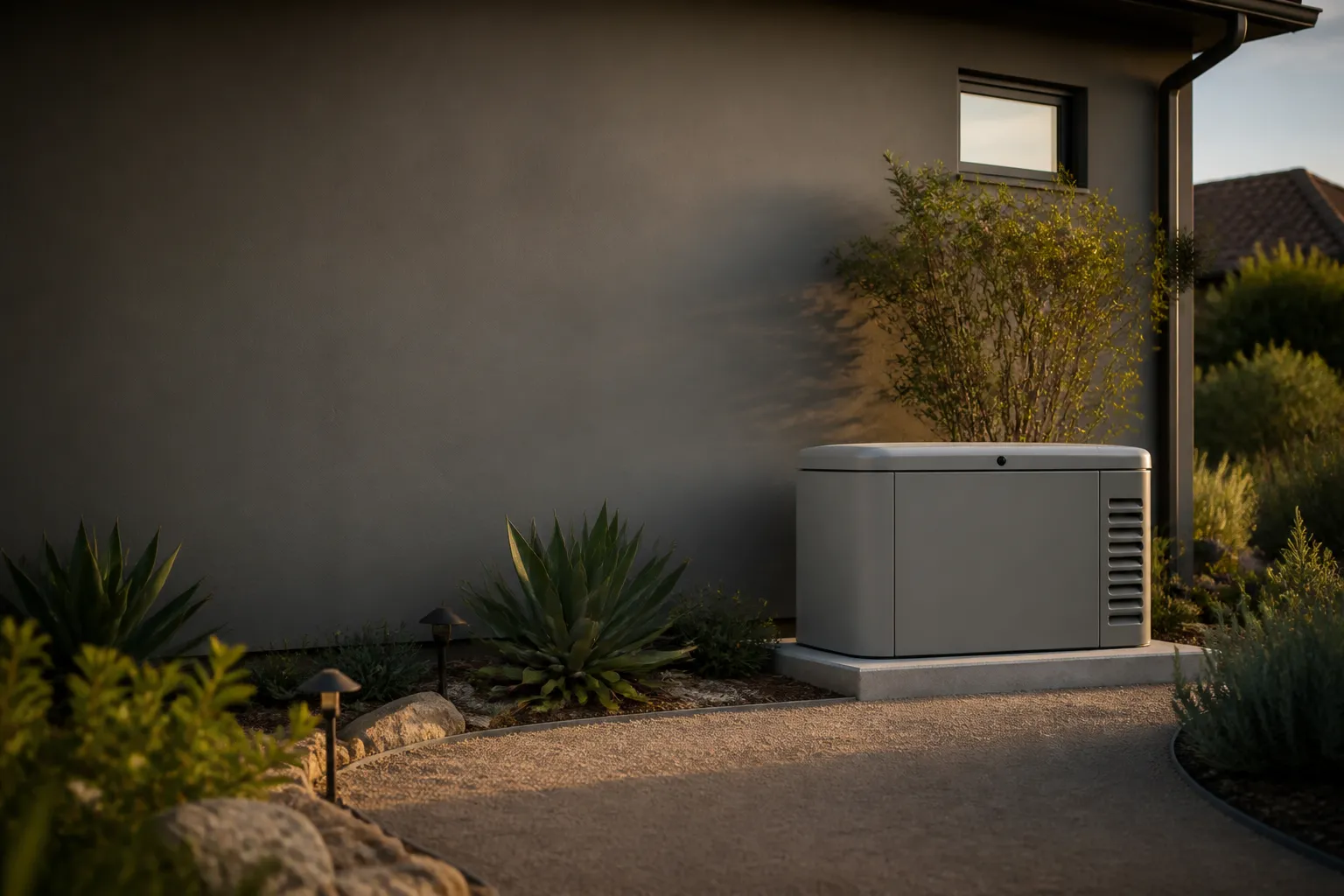
Supply and installation of standby generators, matched to the property rather than to whatever is in stock.
Learn More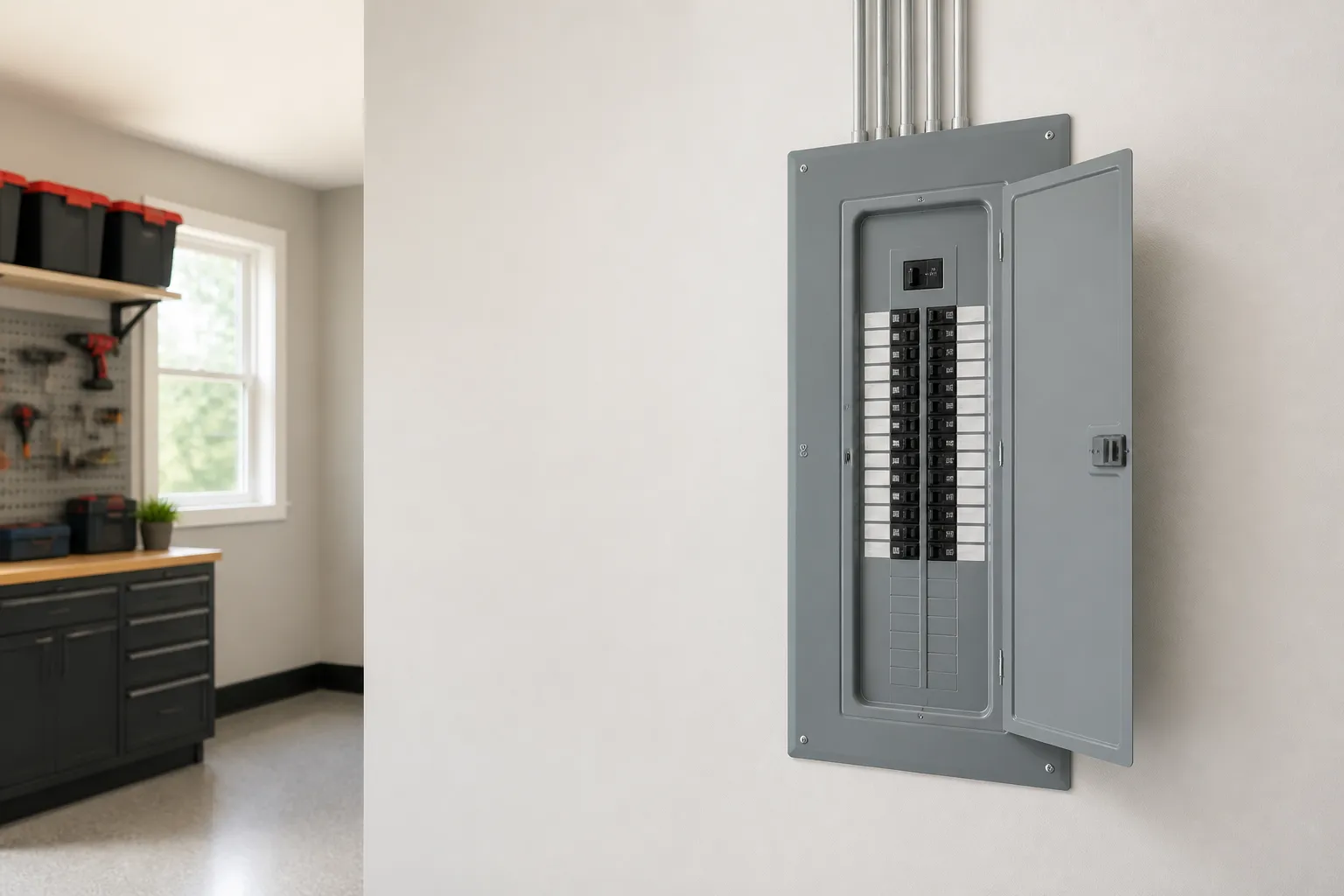
Panel upgrades for Lakeside homes facing overloads, tripping breakers, and outdated electrical capacity.
Learn More
Fast, careful electrical repairs for troublesome outlets, breakers, lights, and wiring.
Learn More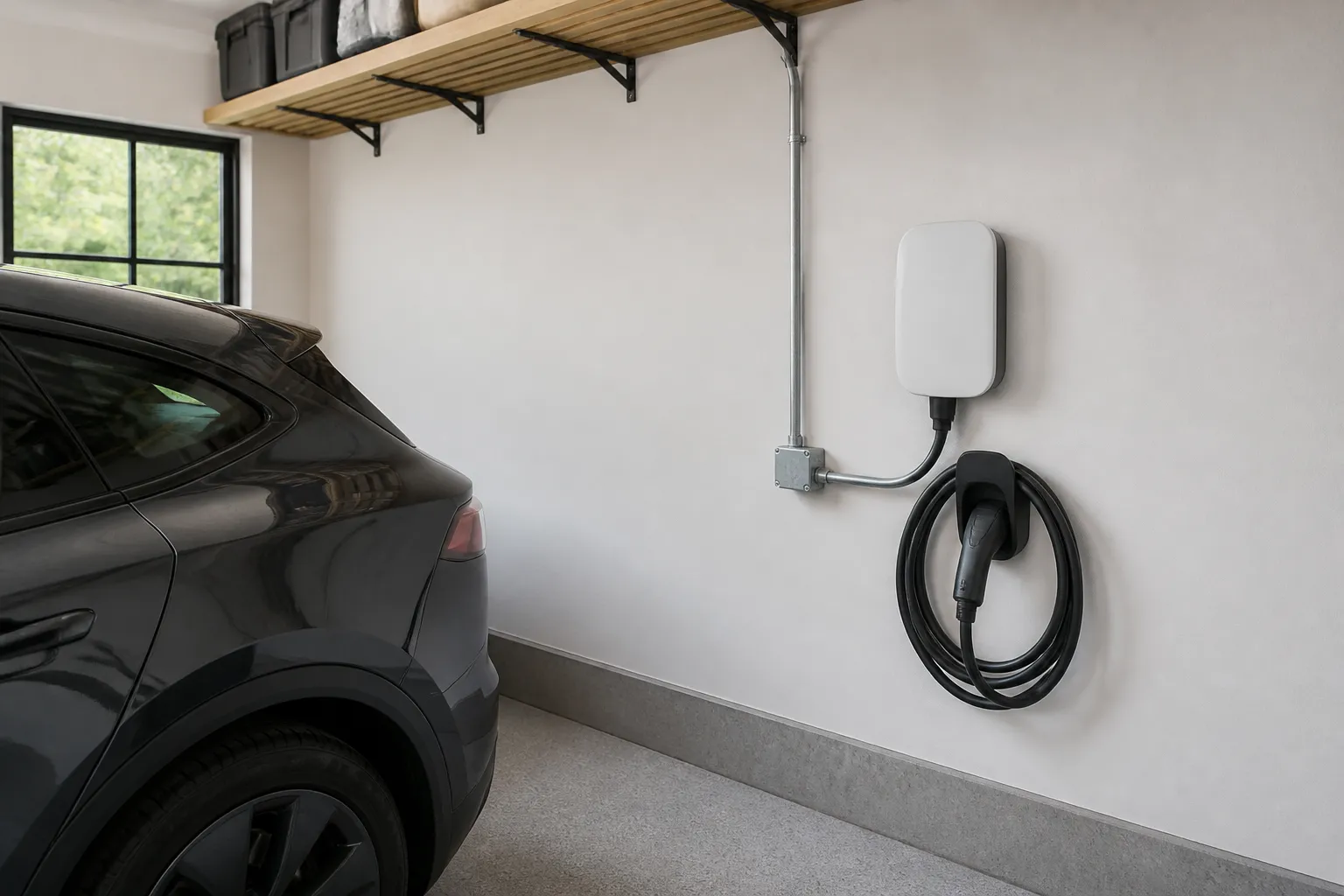
Fast, clean EV charger installation for Lakeside homes with clear planning and code-aware wiring.
Learn MoreFAQ
We handle a wide range of residential and commercial electrical services, including panel repairs, service upgrades, rewiring, lighting, EV charger installation, generator work, surge protection, troubleshooting, and code corrections.
Yes. We provide a written quote that outlines the scope of work, timeline, and price before any work begins.
Yes. Our team handles electrical work for homeowners, commercial properties, tenant improvements, retail spaces, offices, multifamily buildings, restaurants, and more.
We serve Lakeside and much of San Diego County, including surrounding communities such as El Cajon, Santee, La Mesa, San Diego, Poway, Ramona, Alpine, and others.
Yes. We regularly diagnose electrical issues and focus on finding the root cause so the repair is targeted and effective.
Yes. We install EV chargers, standby generators, and related equipment such as interlock kits and supporting electrical circuits.
When a permit is required by the local jurisdiction, we pull it under the company license and coordinate the inspection process through completion.
We are a strong fit for customers who want licensed electrical work done carefully, whether that means a repair, upgrade, installation, or larger commercial scope.
Get Started
Share a few details about your generator or electrical project and we will help you understand the next best step, whether you are planning a standby installation, scheduling maintenance, or upgrading the electrical system that supports it.