An EV charger that has stopped working is more disruptive than most electrical faults, because the vehicle is not optional. It is also a fault worth diagnosing properly rather than replacing on assumption.
A charger sits at the end of a dedicated circuit. When it stops working the cause can be the equipment, the circuit feeding it, the connection at either end, or the vehicle. Replacing the unit fixes the first of those and none of the others.
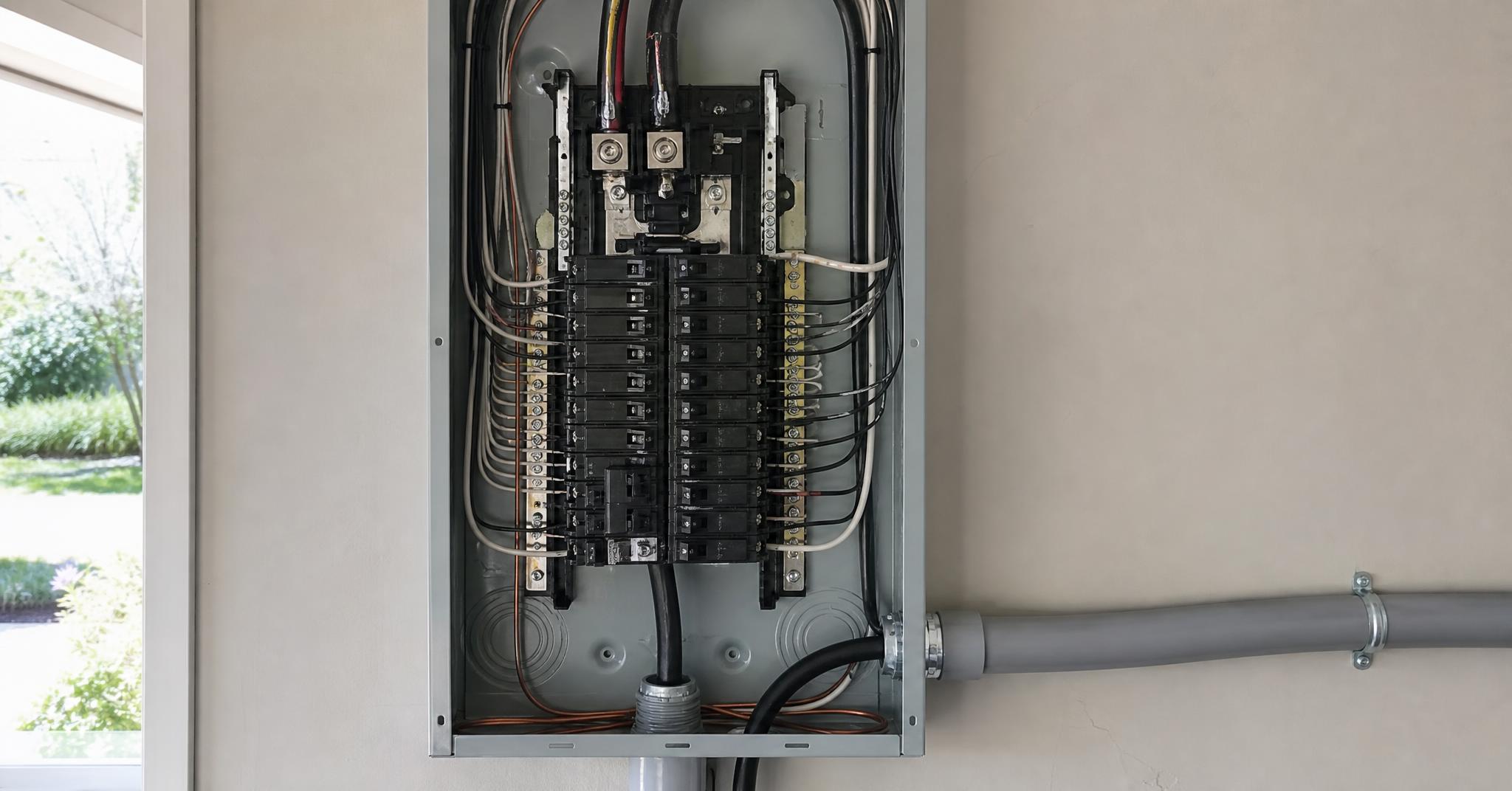
The breaker is the first thing to check, particularly if it has tripped more than once. A charger drawing near its rated current for hours is exactly the load that finds a marginal breaker or a loose connection, and repeated tripping is information rather than an inconvenience.
Connections are next. High sustained current is unforgiving of anything not properly torqued, and heat damage at a terminal is both a cause of failure and a reason to look closely at the rest of the circuit.
Then the equipment itself. Chargers live outdoors or in garages, and cables, connectors, and enclosures wear. A damaged connector is a common and straightforward finding.
And sometimes the charger is fine and the vehicle or its onboard charger is the limiting factor, which is worth establishing before buying hardware.
Not every call is a fault. A good share are people whose situation has changed: a new vehicle that can accept more than the existing charger delivers, a second vehicle sharing one position, or early equipment that has been superseded.
Whether an upgrade is worth it depends on the existing circuit. If it was installed at a capacity the new vehicle can use, the upgrade may be equipment only. If the circuit is the constraint, the conversation widens to the panel and what it can support.
We will tell you which of those you are in before you order anything.
Most of this work is on equipment installed by somebody else, and that is fine. What we do check is the installation itself, because a charger that has failed early sometimes points at how it was put in rather than at the unit.
Where we find an installation that was not done to standard we will say so plainly, with what it would take to correct.
We work through the chain rather than starting at the most expensive component. The breaker and its condition first, including whether it has been tripping and under what circumstances. Then the connections at both ends, checked for heat damage and for anything that has worked loose under sustained load.
Then the circuit itself, confirming the conductor is right for the load and the distance, which occasionally turns out to be the original fault on a marginal installation. Then the equipment: enclosure, cable, connector, and whatever fault the unit is reporting.
Finally the vehicle side, because a charger delivering exactly what it should to a vehicle that cannot accept more is behaving correctly, and no amount of replacing equipment will change that.
Chargers mounted outside have a harder life than garage installations. Enclosure seals degrade, connectors collect grit, and the cable takes UV exposure and physical wear from being handled daily.
Much of what fails on an outdoor unit is the cable and connector rather than the electronics, and those are frequently replaceable on their own. Worth checking before condemning the whole unit.
Mounting position matters more than people expect. A charger positioned where the cable drags across concrete every day will wear the cable out considerably faster than one where it hangs clear.
A charger that failed early, or one whose breaker has always tripped occasionally, is often telling you something about how it was installed rather than about the unit.
Undersized conductors for the run length, a breaker that was never right for the load, or connections that were not properly torqued all produce faults that look like equipment failure and return with new equipment. That is the most frustrating outcome for an owner, and it is worth ruling out before buying a replacement.
Not necessarily. It can be the breaker, the circuit, a connection, the equipment, or the vehicle. Diagnosing which is the first step and avoids replacing a working unit.
Charging is a sustained near-rated load, which finds marginal breakers and loose connections. Repeated tripping is worth investigating rather than resetting.
Yes. Most of this work is on other people's installations.
Only if the current one delivers less than the vehicle can accept and that difference matters to you. Sometimes the circuit already supports more and only the equipment changes.
Depending on the equipment, yes, either by scheduling or by hardware that supports it. Whether that is enough depends on how much range each vehicle needs overnight.
It depends on the fault, the age of the unit, and parts availability. We will give you both figures rather than steering you.
Repair and upgrade work sits within our EV charging services, alongside charger installation. If a breaker is the recurring problem, circuit breaker repair covers that side.

Get Started
Share a few details about your generator or electrical project and we will help you understand the next best step, whether you are planning a standby installation, scheduling maintenance, or upgrading the electrical system that supports it.