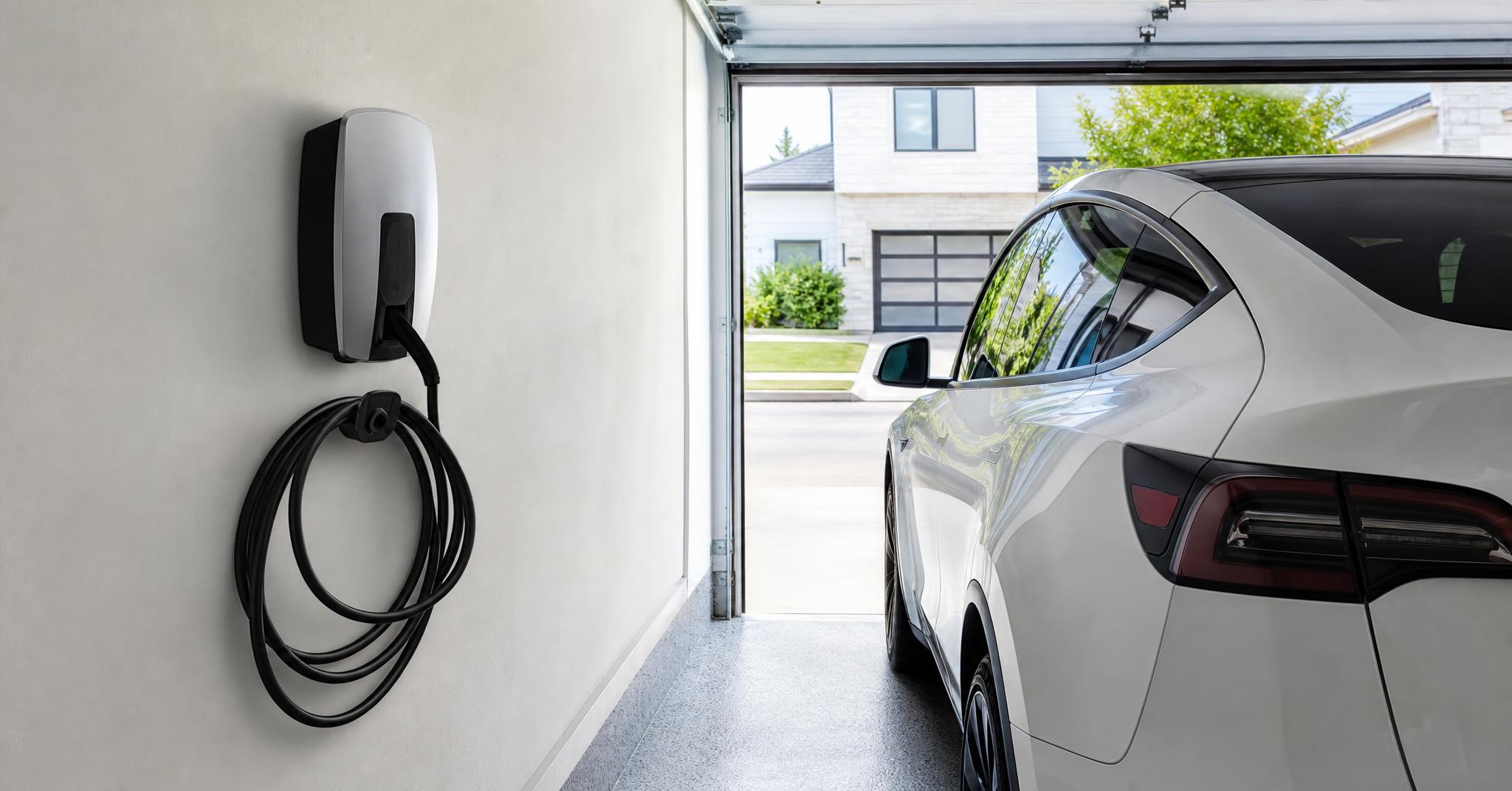
Services
Services
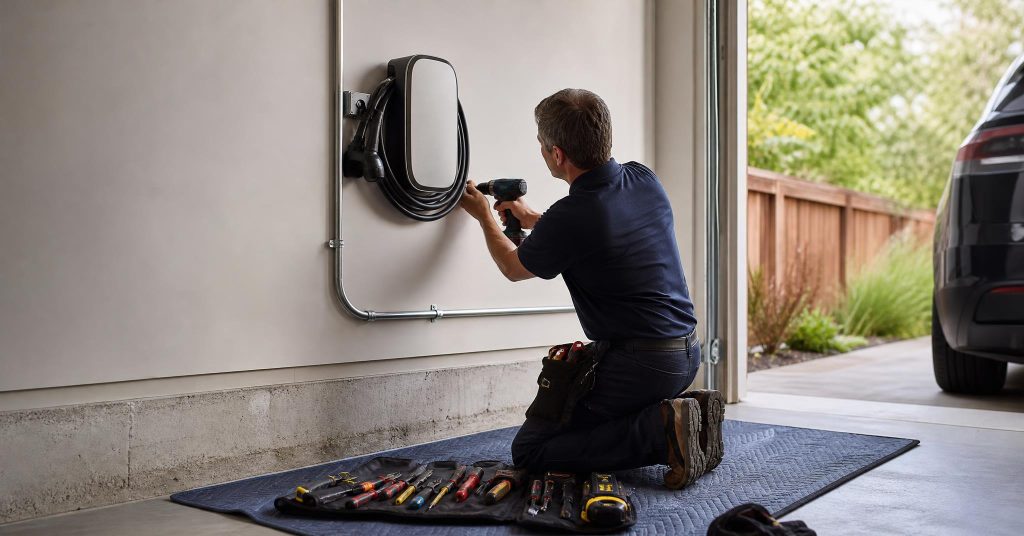
People arrive at EV charging with a product question and a deadline. Which charger, and how fast can it go in. The answer to both is usually determined by something they have not looked at: the electrical panel.
A charger is a large, sustained load. Unlike a dryer that runs for an hour, it can draw near its rated current for hours at a stretch. That is treated differently in a load calculation, and it is why a charger is one of the two additions that most often reveals a property has run out of electrical headroom. The other is a standby generator.
Level 1 is a standard 120-volt outlet. It needs no new equipment and it is slow. For a short commute and an overnight window it can genuinely be enough, and it is worth saying so rather than selling past it.
Level 2 runs on 240 volts and is what most people mean by installing a charger. It needs a dedicated circuit, and that circuit is where the planning happens.
Within Level 2, actual speed is limited by whichever is smallest: the circuit, the charging equipment, or the vehicle's own onboard charger. Installing a larger circuit than the vehicle can use buys nothing today, though it can be reasonable if you expect to change vehicles. Worth deciding deliberately rather than defaulting to the largest option on the shelf.
Two properties with identical panels can produce very different quotes based on one thing: the distance from panel to parking, and what sits between them. A charger on the other side of an attached garage wall is a short job. One at a detached structure across a property involves trenching or conduit and becomes a different project.
Measuring that distance before asking for a rough number is the single most useful thing you can do.
A panel upgrade is one path and it is not the only one. Load management devices can let a charger share existing capacity by throttling or pausing when other large loads are active. Choosing a lower-amperage charger is another, and for many households the difference in overnight charge is not meaningful.
Which approach makes sense depends on the property, the vehicle, and how you actually drive. That is worth assessing before buying hardware, not after.
EV charger circuits are permitted work across San Diego County jurisdictions. Beyond compliance, a permitted and inspected installation is a documented one, which matters at resale and for warranty questions on the vehicle side.
If you are considering both a charger and standby generator power, handle the panel conversation once rather than twice. Both depend on the same capacity, both may require the same upgrade, and scoping them together is consistently cheaper than discovering the constraint in the middle of the second project.
The physical work is usually the shortest part. Assessment, permitting, and inspection account for most of the elapsed time, and the run from panel to parking accounts for most of the variation in cost.
A typical home installation means a dedicated breaker at the panel, a conductor run sized for the load and the distance, and the charger mounted and commissioned. Where that run passes through finished space, or leaves the building, the job grows.
We test the installation under real charging conditions before leaving rather than energising it and assuming. Charging faults have a habit of appearing under sustained load rather than at switch-on.
Two vehicles is increasingly the question rather than one, and it changes the arithmetic. The options are a second dedicated circuit, which needs the capacity to support it, or equipment designed to share one circuit between two positions.
Sharing is often the better answer. Two vehicles rarely both need a full charge on the same night, and shared equipment costs considerably less than a second circuit plus the panel work that frequently comes with it. Whether it suits you depends on how much range each vehicle actually uses in a day.
The cheapest capacity is the capacity you install while the walls are already open and the trench is already dug. If a second vehicle is plausible within a few years, or you expect to replace the current one with something that charges faster, it is worth sizing the circuit and the conduit for that now.
This is the one place where we will suggest spending slightly more than today's requirement, because the alternative is repeating the same work later at full cost.
Much of the housing stock across East County was built long before anyone was charging a car at home. A 100-amp service that comfortably runs the property as it is used today can have very little headroom left for a sustained load of this size.
That is not a barrier so much as a decision point: upgrade the service, manage the load, or accept a slower charge. All three are legitimate, and which is right depends on the property and how you drive rather than on which one is easiest to sell.
Tell us the vehicle, where it parks relative to the panel, and roughly how old the property is. Those three answers cover most of the assessment before anyone is on site.
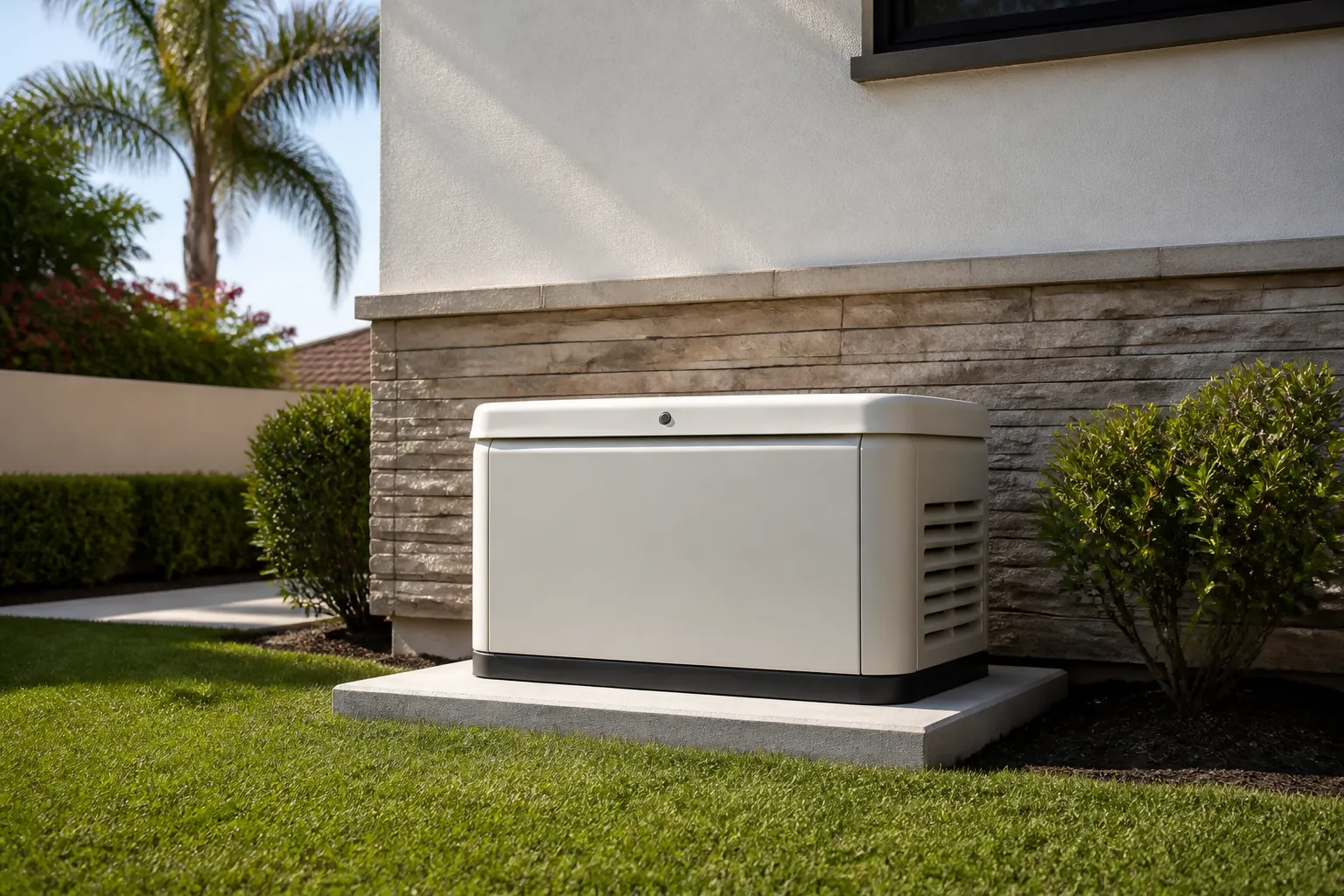
Reliable generator installs for Lakeside homes, with clean planning, careful wiring, and clear handoff.
Learn More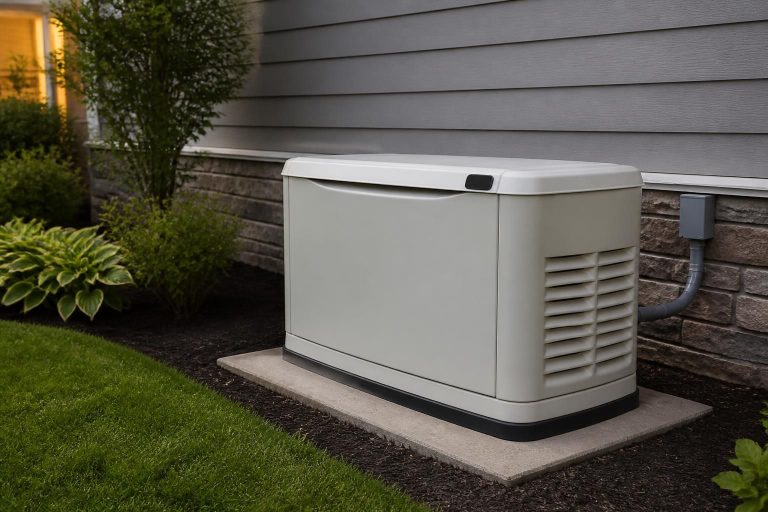
Diagnosis and repair for standby generators that fail to start, shut down early, or will not transfer.
Learn More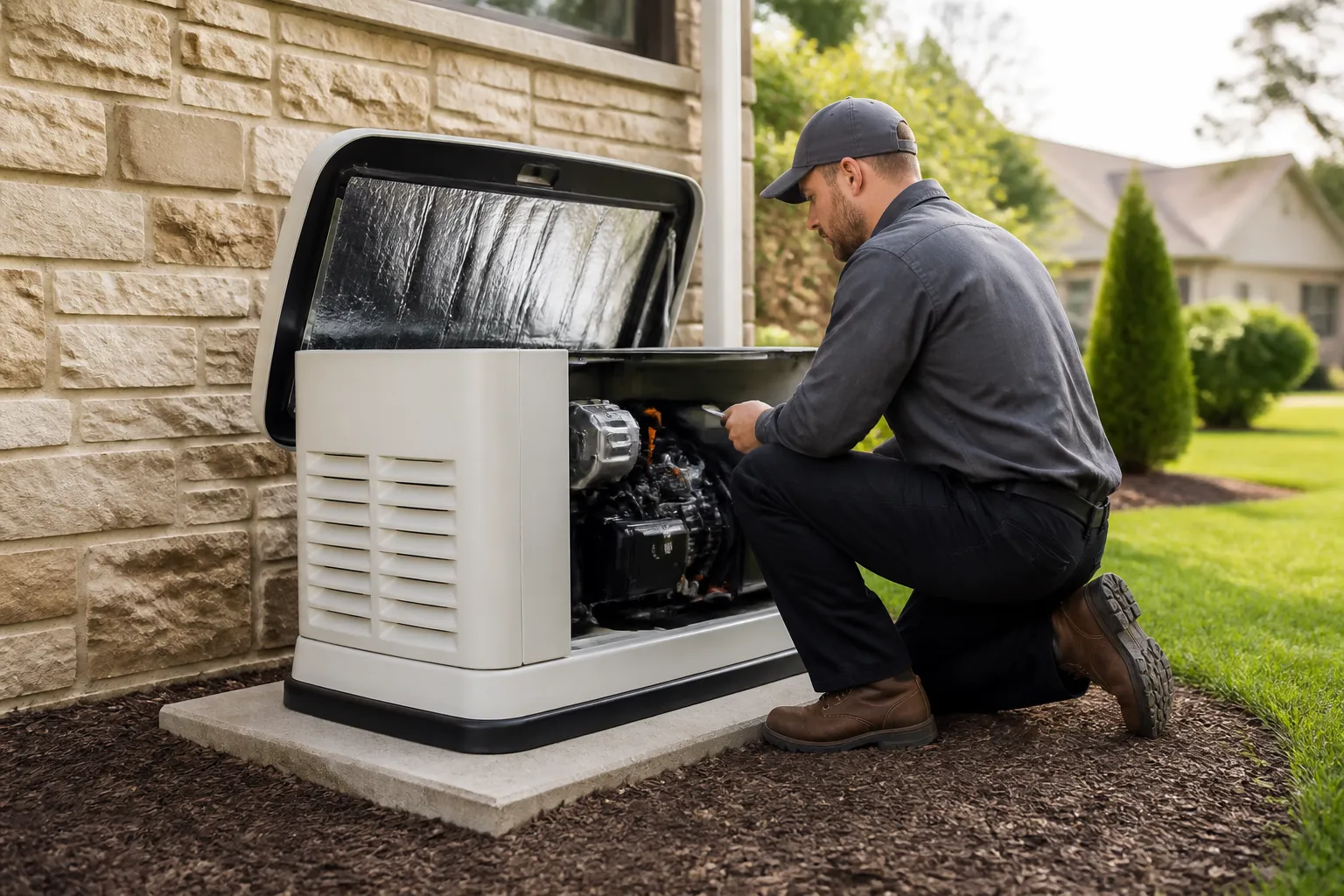
Keep your standby generator ready with careful maintenance for Lakeside homes.
Learn More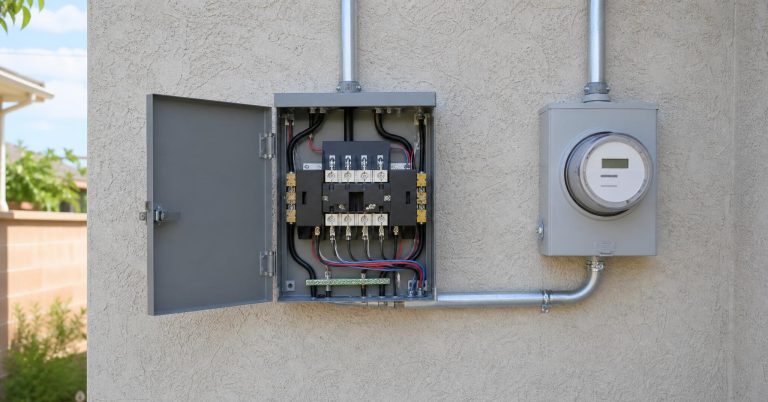
Transfer switch installation and replacement, the equipment that actually moves your property onto generator power.
Learn More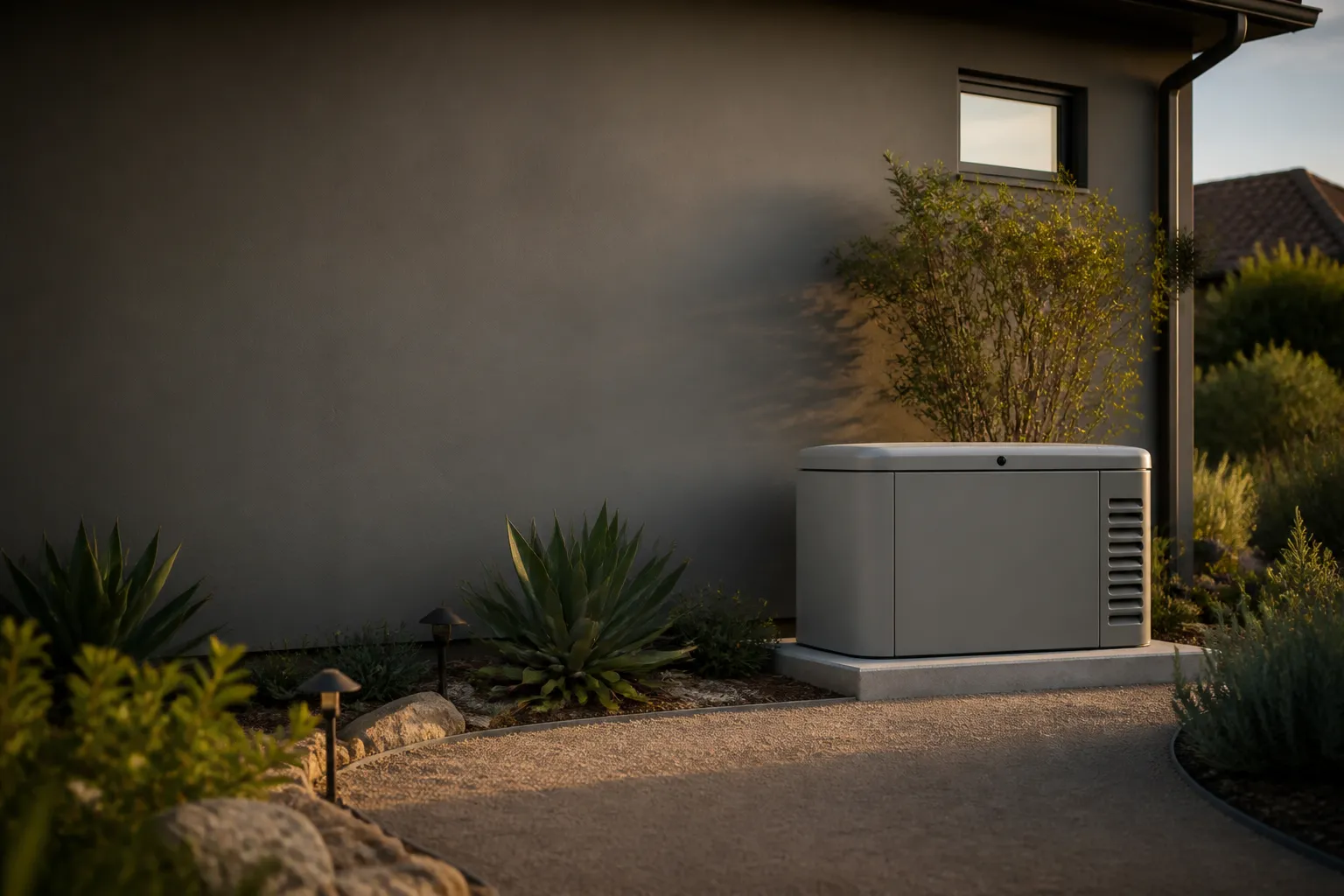
Supply and installation of standby generators, matched to the property rather than to whatever is in stock.
Learn More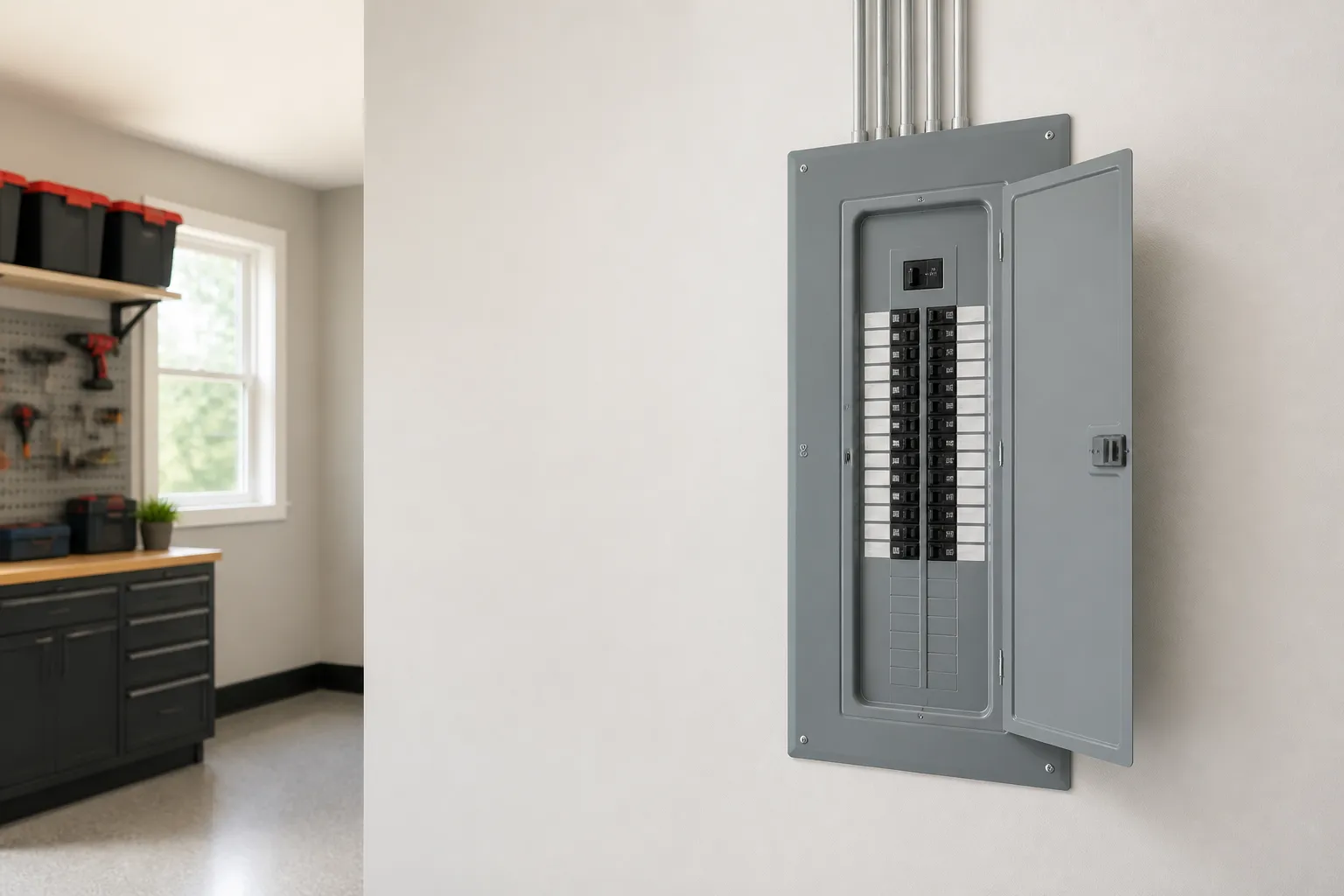
Panel upgrades for Lakeside homes facing overloads, tripping breakers, and outdated electrical capacity.
Learn More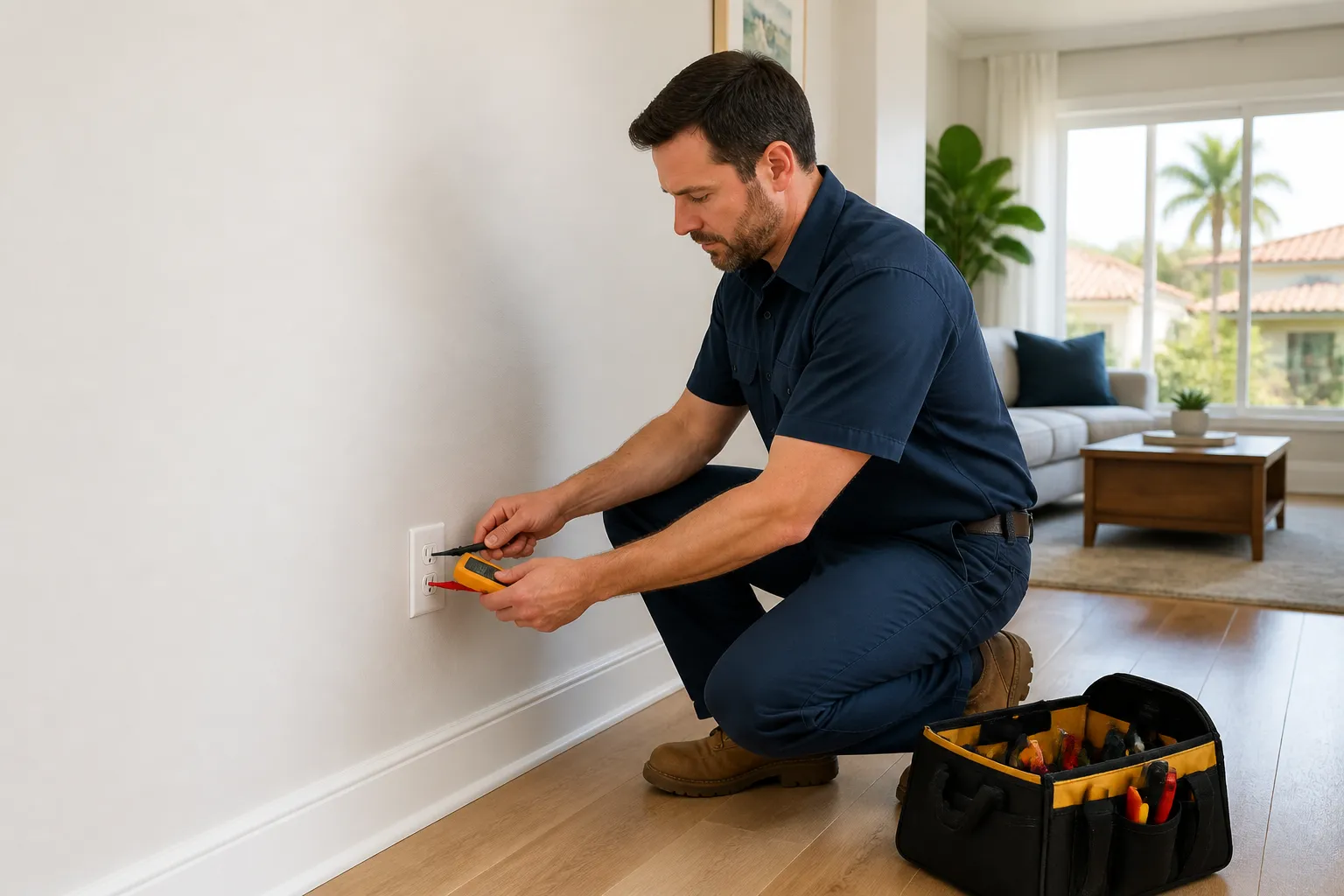
Fast, careful electrical repairs for troublesome outlets, breakers, lights, and wiring.
Learn More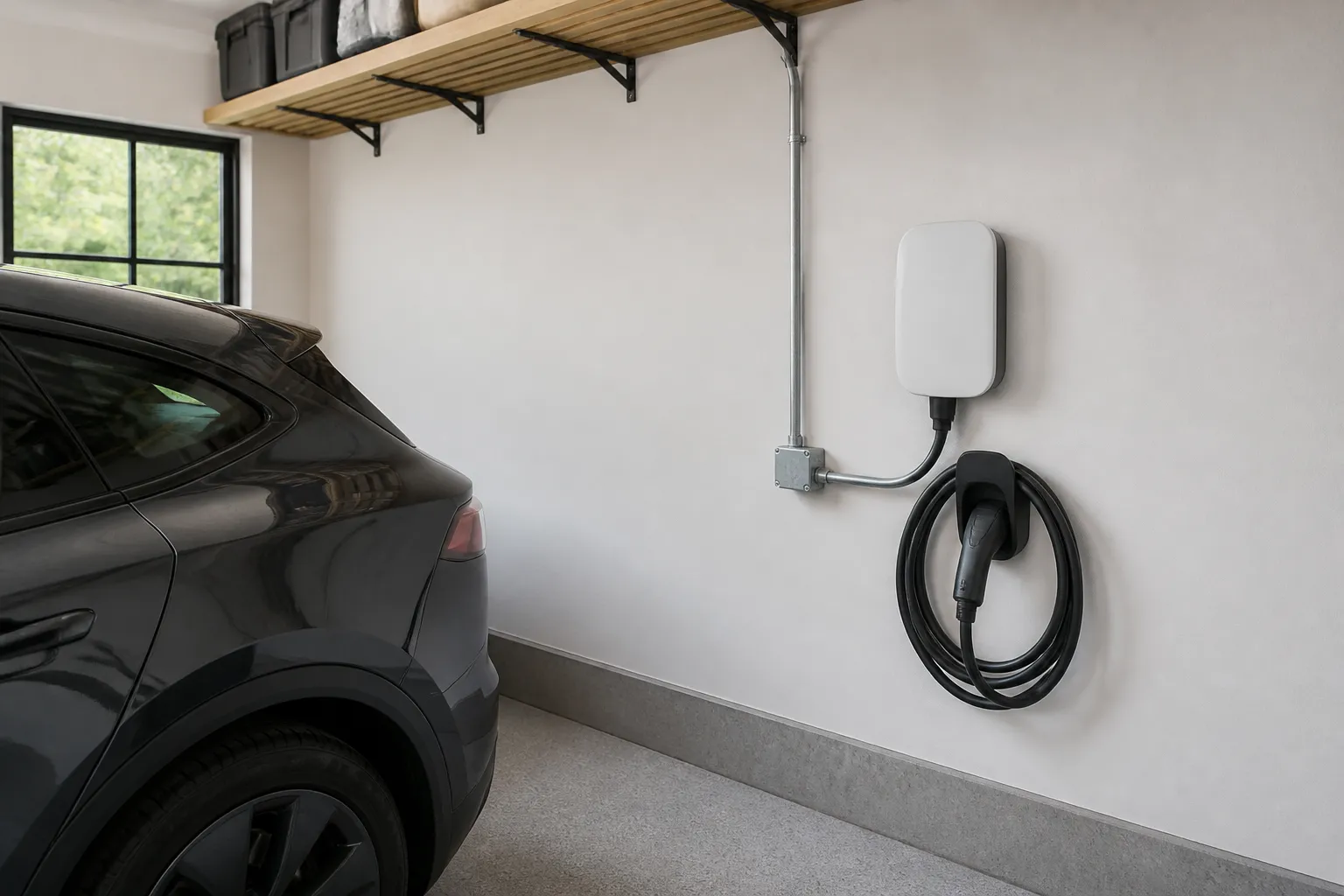
Fast, clean EV charger installation for Lakeside homes with clear planning and code-aware wiring.
Learn MoreFAQ
We handle a wide range of residential and commercial electrical services, including panel repairs, service upgrades, rewiring, lighting, EV charger installation, generator work, surge protection, troubleshooting, and code corrections.
Yes. We provide a written quote that outlines the scope of work, timeline, and price before any work begins.
Yes. Our team handles electrical work for homeowners, commercial properties, tenant improvements, retail spaces, offices, multifamily buildings, restaurants, and more.
We serve Lakeside and much of San Diego County, including surrounding communities such as El Cajon, Santee, La Mesa, San Diego, Poway, Ramona, Alpine, and others.
Yes. We regularly diagnose electrical issues and focus on finding the root cause so the repair is targeted and effective.
Yes. We install EV chargers, standby generators, and related equipment such as interlock kits and supporting electrical circuits.
When a permit is required by the local jurisdiction, we pull it under the company license and coordinate the inspection process through completion.
We are a strong fit for customers who want licensed electrical work done carefully, whether that means a repair, upgrade, installation, or larger commercial scope.
Get Started
Share a few details about your generator or electrical project and we will help you understand the next best step, whether you are planning a standby installation, scheduling maintenance, or upgrading the electrical system that supports it.