Services
Services
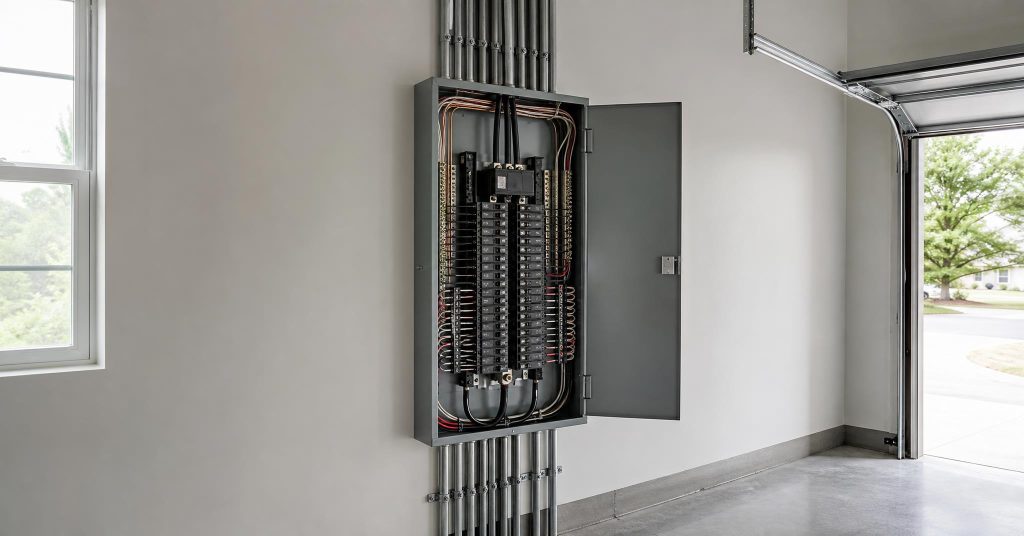
Almost every electrical limitation traces back to the panel. A generator that cannot be supported, an EV charger with nowhere to land, a kitchen remodel that trips a breaker every time two appliances run together. The symptom shows up at the outlet, but the constraint lives at the service panel.
This side of the work covers diagnosis and capacity: finding out what is actually wrong, and making sure the panel can carry what the property is being asked to do.
Breakers that trip repeatedly are the most common starting point, and they are worth taking seriously. A breaker doing its job is telling you something about load or a fault. Resetting it without finding out which is the version of this story that ends badly.
Older housing stock across Lakeside, El Cajon, and Lemon Grove tends to share a pattern: a panel sized for how a home was used decades ago, now running air conditioning, a home office, and often a vehicle charger. Nothing is broken exactly. There is just no headroom left.
We do not lead with a panel replacement. Plenty of problems that look like capacity issues turn out to be a single failing breaker, a loose connection, or one badly loaded circuit. Those are cheaper and faster to fix, and we would rather find them.
When a panel genuinely is at its limit, the recommendation comes with the reasoning: what is drawing what, where the headroom went, and what the upgrade actually makes possible afterward. Panel work is also where utility coordination and permitting enter the picture, and that is handled as part of the job.
Panel capacity is the gating factor for most of what people want to add. EV charger installation needs a dedicated circuit and the capacity to support it. Generator installation needs the panel to integrate cleanly with transfer equipment. If either is on your horizon, it is worth handling the panel conversation first rather than twice.
A few patterns show up repeatedly, and they are worth recognising before they become urgent:
San Diego County has plenty of housing stock old enough that the original panel is still in service. Most are fine. Some equipment from certain mid-century manufacturers has well-documented concerns in the trade around breakers not tripping reliably under fault conditions, and those are worth identifying rather than assuming.
We are not going to tell you a panel needs replacing because of its age alone. Age is a reason to look, not a diagnosis. What matters is the condition of the equipment, whether it is still supported, and how it is actually performing under the load the property puts on it.
A service panel upgrade is a permitted job that involves the utility, because the service connection itself is affected. Practically, that means a scheduled power interruption for part of a day, an inspection, and coordination we handle rather than leaving to you.
The work itself is the straightforward part. The sequencing, permitting, and utility scheduling are what determine when it can happen. We tell you that timeline up front, because it is usually the thing that affects your week.
Not every panel-adjacent problem is a panel problem. A dead circuit can be a failed breaker, a loose connection at a device, or damage somewhere along a run. Those repairs are considerably cheaper than a service upgrade, and finding them is the point of a proper diagnosis.
The failure we try to avoid is the opposite one: repeatedly repairing symptoms on a system that has genuinely run out of capacity. If you have called somebody three times for the same circuit, the third repair is not the answer.
Whole-property surge protection is one of the lower-cost pieces of work we do and one of the more sensible ones, particularly on a property with meaningful electronics, a home office, or connected appliances. It is most efficiently installed at the same time as panel work, since the panel is already open.
Tell us what the system is doing: which breaker, how often, what is running when it happens. That pattern usually narrows the diagnosis before anyone is on site, and it makes the visit shorter and the quote more accurate.
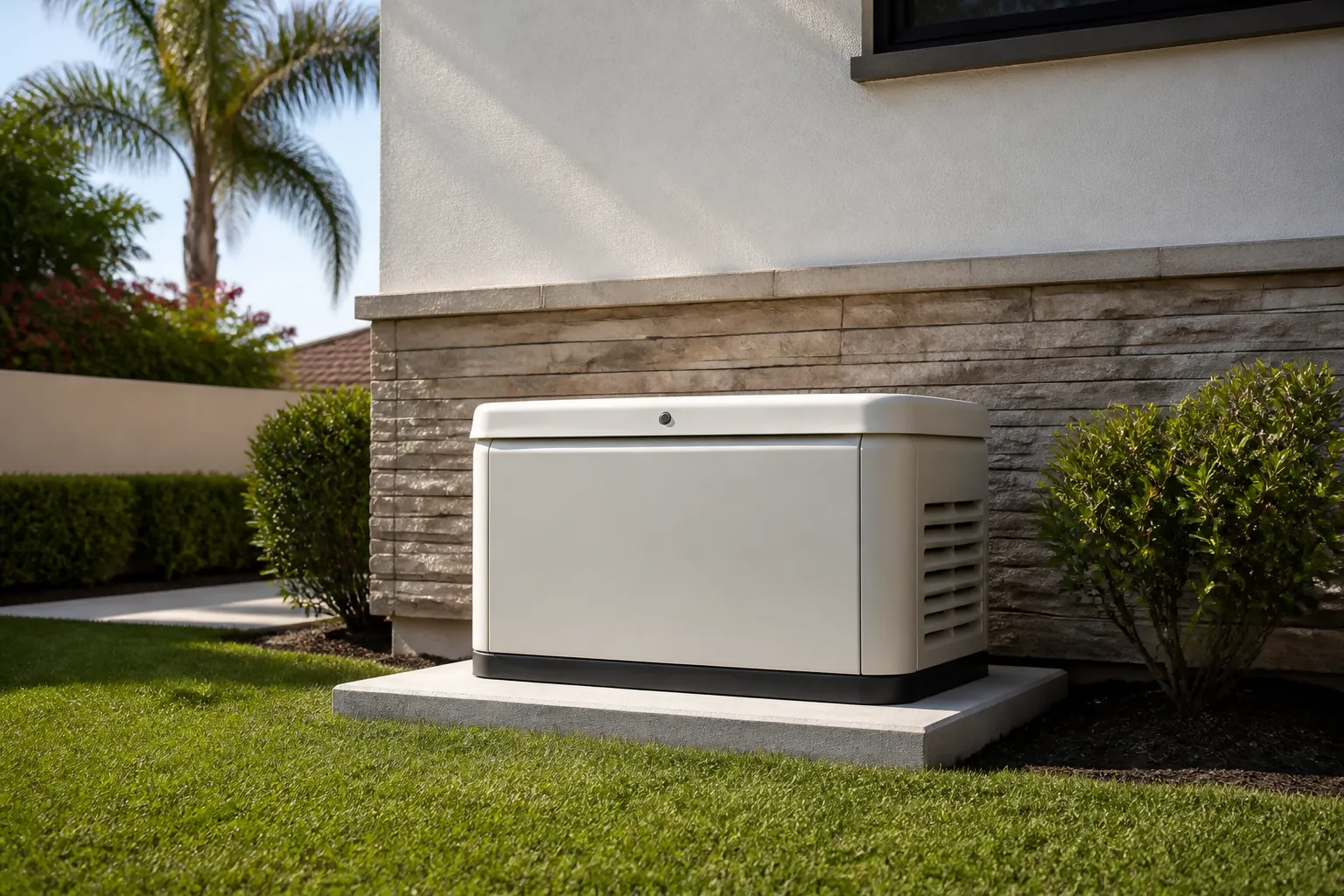
Reliable generator installs for Lakeside homes, with clean planning, careful wiring, and clear handoff.
Learn More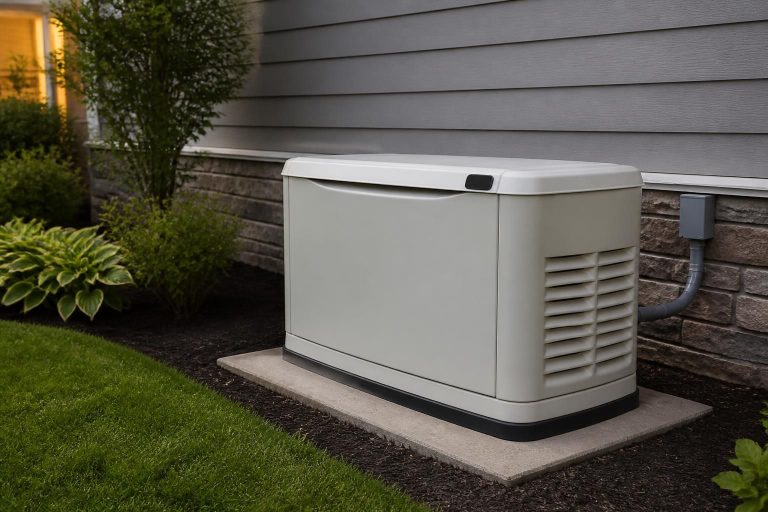
Diagnosis and repair for standby generators that fail to start, shut down early, or will not transfer.
Learn More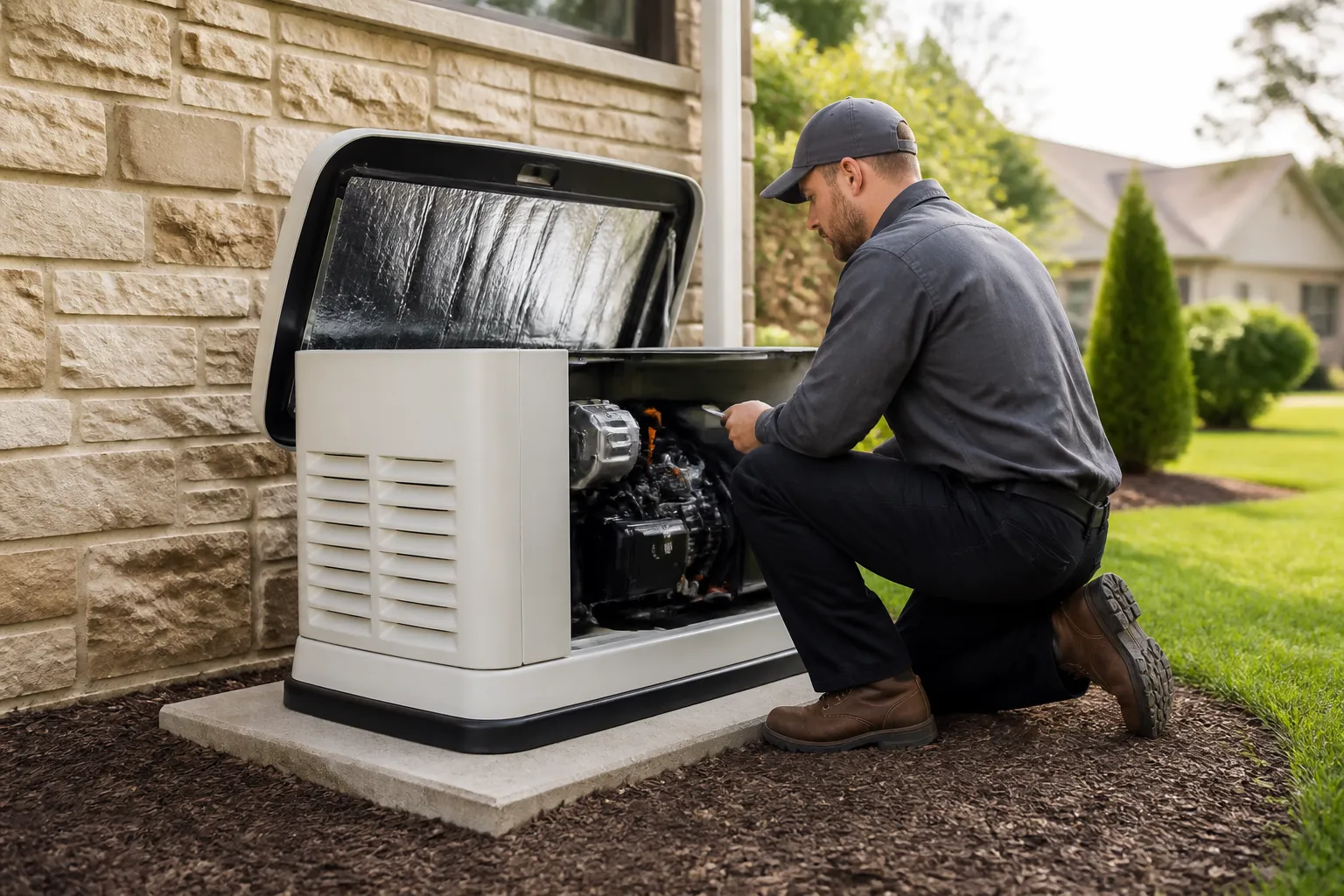
Keep your standby generator ready with careful maintenance for Lakeside homes.
Learn More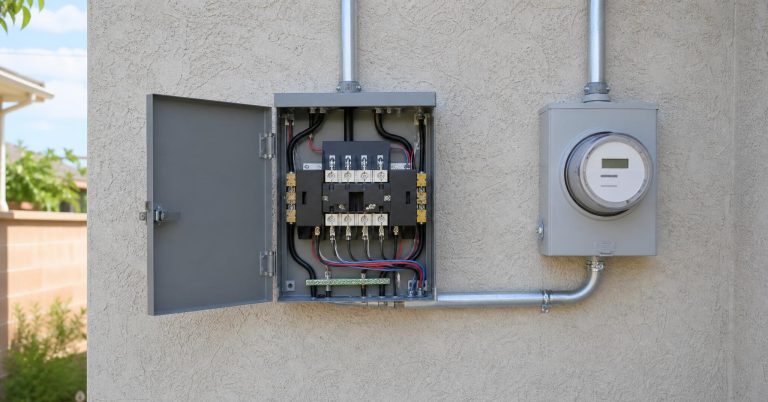
Transfer switch installation and replacement, the equipment that actually moves your property onto generator power.
Learn More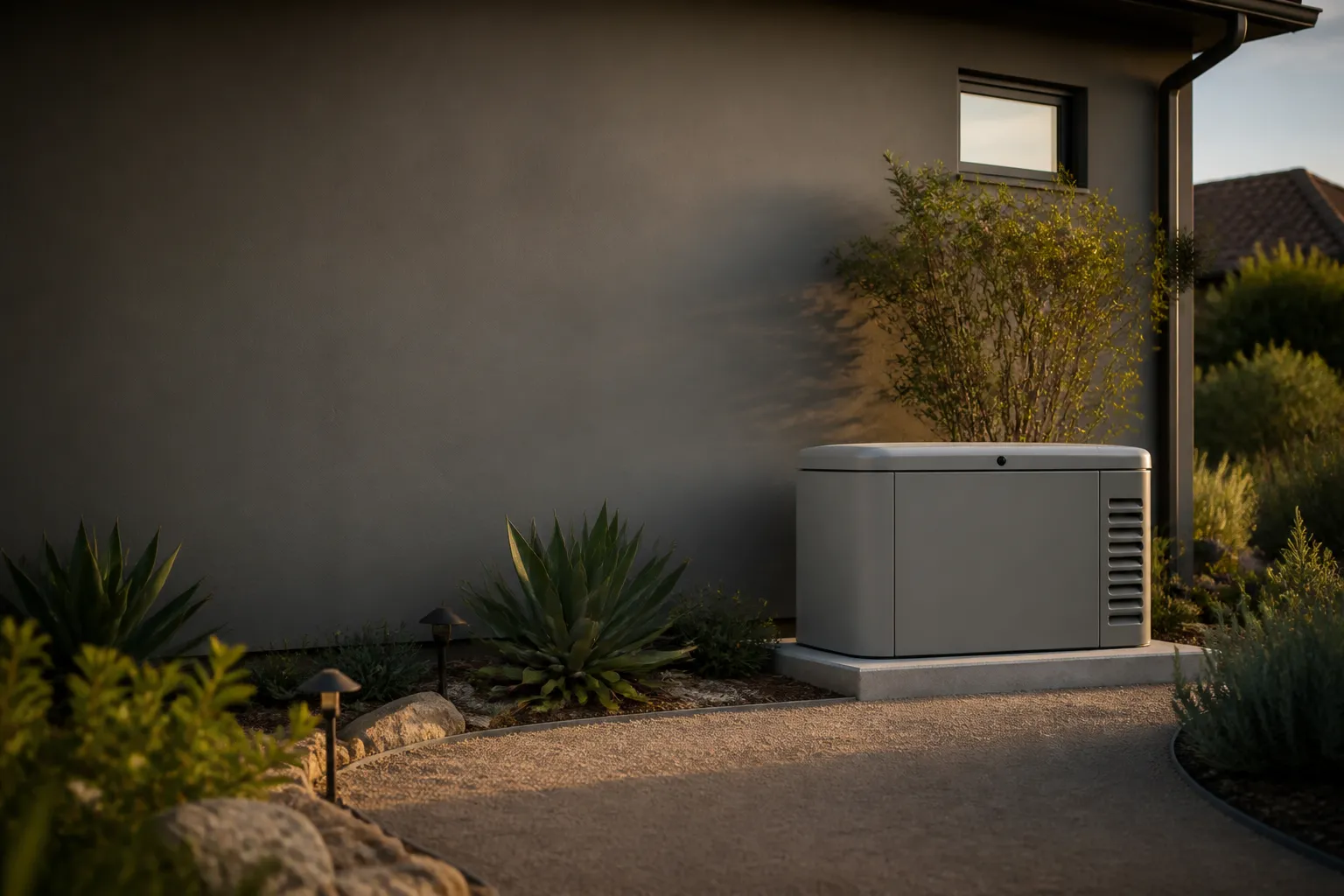
Supply and installation of standby generators, matched to the property rather than to whatever is in stock.
Learn More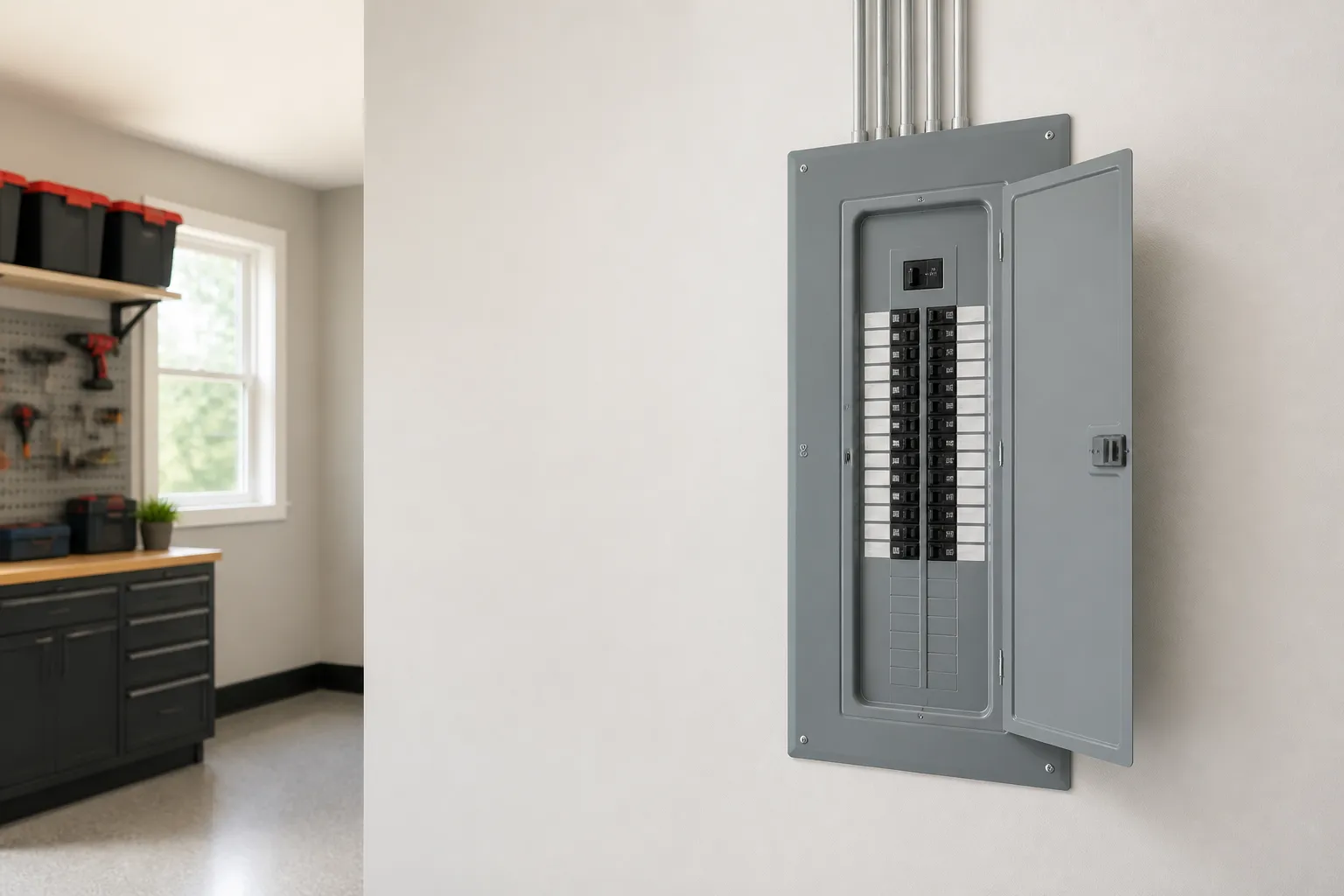
Panel upgrades for Lakeside homes facing overloads, tripping breakers, and outdated electrical capacity.
Learn More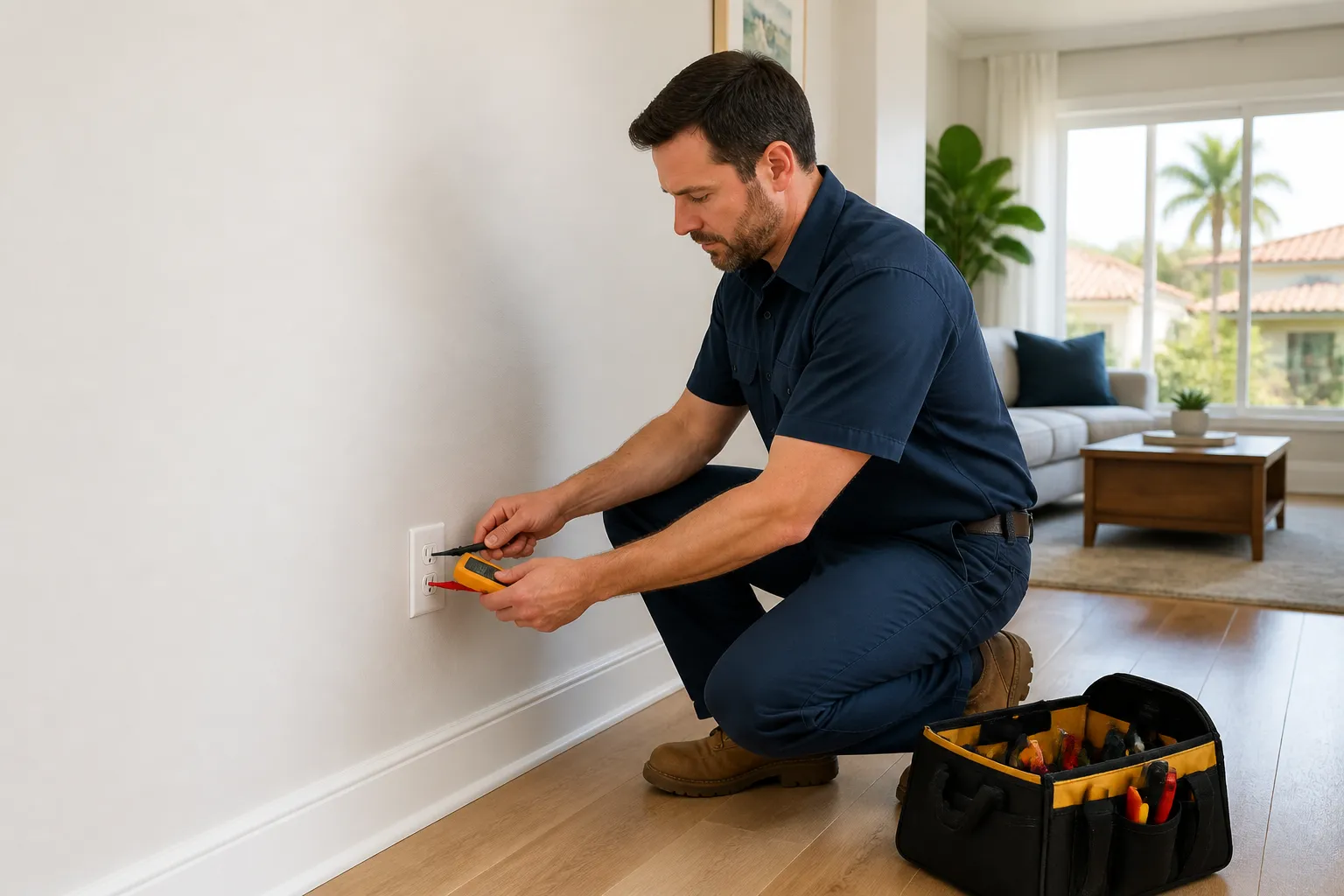
Fast, careful electrical repairs for troublesome outlets, breakers, lights, and wiring.
Learn More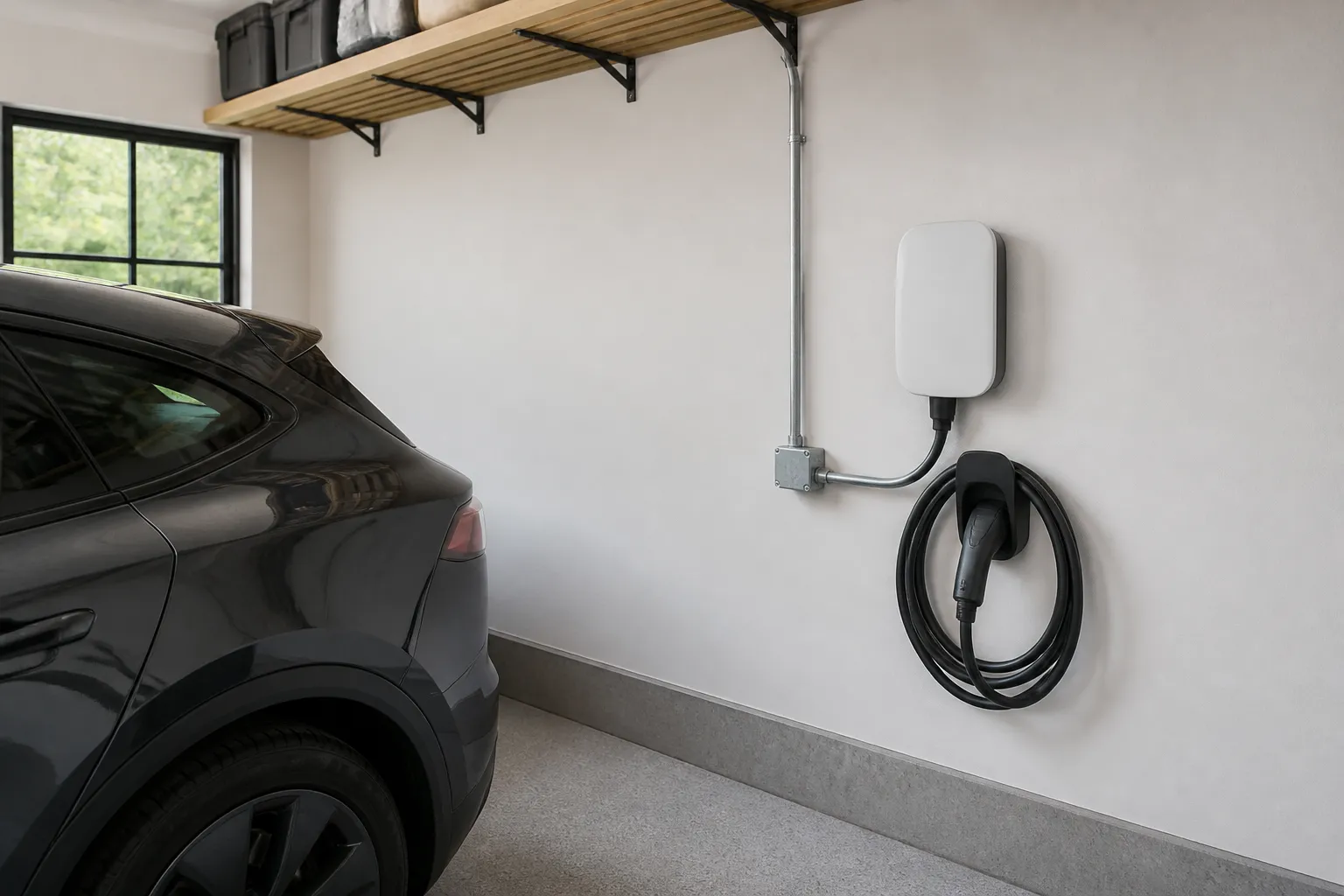
Fast, clean EV charger installation for Lakeside homes with clear planning and code-aware wiring.
Learn MoreFAQ
We handle a wide range of residential and commercial electrical services, including panel repairs, service upgrades, rewiring, lighting, EV charger installation, generator work, surge protection, troubleshooting, and code corrections.
Yes. We provide a written quote that outlines the scope of work, timeline, and price before any work begins.
Yes. Our team handles electrical work for homeowners, commercial properties, tenant improvements, retail spaces, offices, multifamily buildings, restaurants, and more.
We serve Lakeside and much of San Diego County, including surrounding communities such as El Cajon, Santee, La Mesa, San Diego, Poway, Ramona, Alpine, and others.
Yes. We regularly diagnose electrical issues and focus on finding the root cause so the repair is targeted and effective.
Yes. We install EV chargers, standby generators, and related equipment such as interlock kits and supporting electrical circuits.
When a permit is required by the local jurisdiction, we pull it under the company license and coordinate the inspection process through completion.
We are a strong fit for customers who want licensed electrical work done carefully, whether that means a repair, upgrade, installation, or larger commercial scope.
Get Started
Share a few details about your generator or electrical project and we will help you understand the next best step, whether you are planning a standby installation, scheduling maintenance, or upgrading the electrical system that supports it.