Panel upgrades are one of the more oversold items in residential electrical work. Plenty of older panels are doing fine. Some are not. The difference is worth understanding before you commit to the expense.
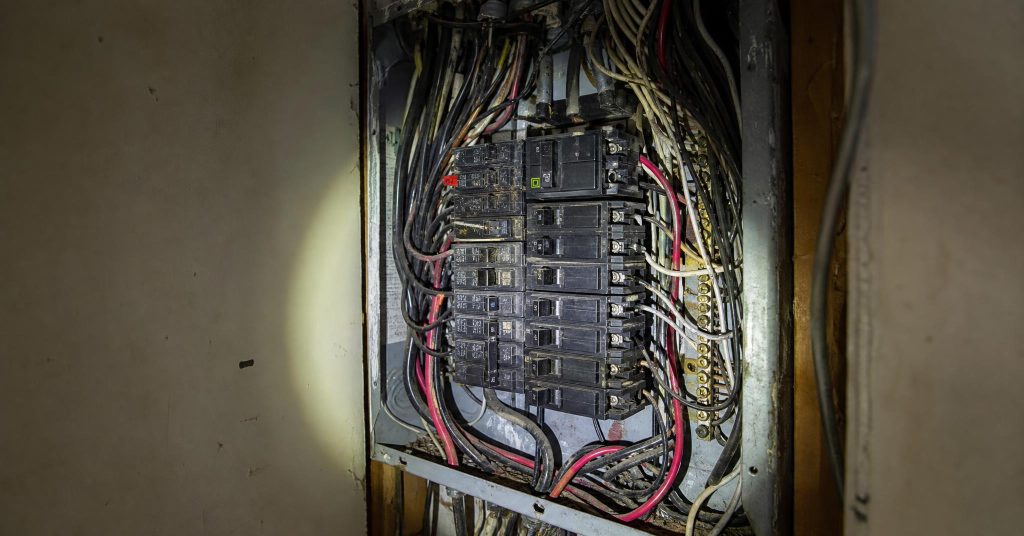
Conditions that genuinely warrant attention
Known problem equipment
Certain panel brands and breaker lines from the mid-twentieth century have documented failure histories, including breakers that do not reliably trip under fault conditions. If your home dates to that era and still has its original panel, identification is the first step. This is one of the few cases where replacement is warranted on the equipment alone, independent of capacity.
Physical evidence of heat
Discoloration, melted insulation, a scorched smell, rust or water staining inside the enclosure, or breakers that feel warm to the touch. Any of these is a reason to have the panel opened and inspected.
Real capacity limits
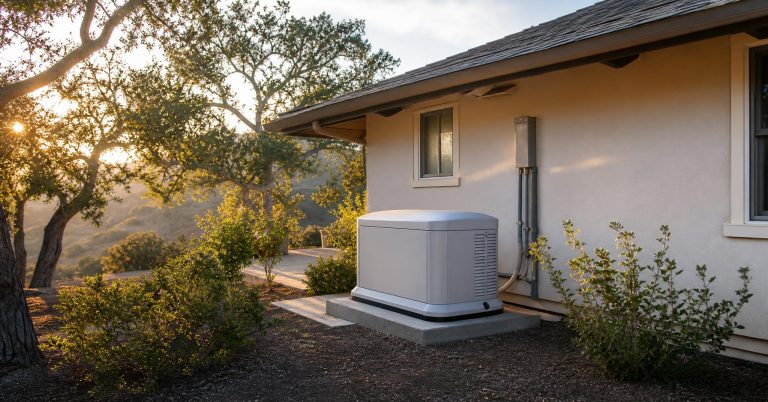
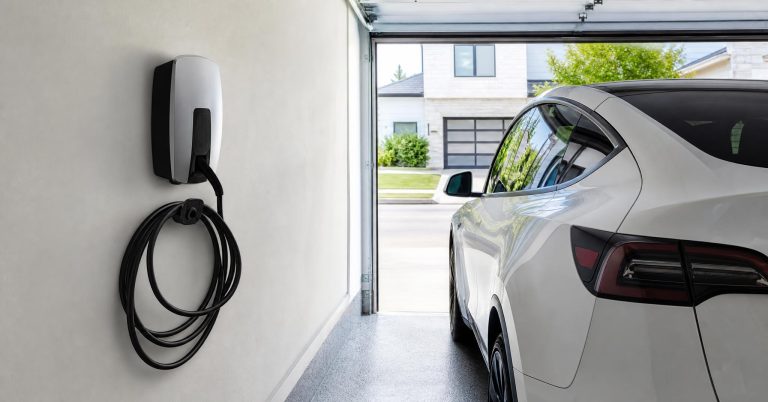
Not the feeling that you are out of room, but an actual load calculation showing the service is undersized for the loads present or planned. This tends to surface when adding an EV charger, converting to a heat pump, adding a subpanel for an ADU, or installing a standby generator.
No space and no safe workaround
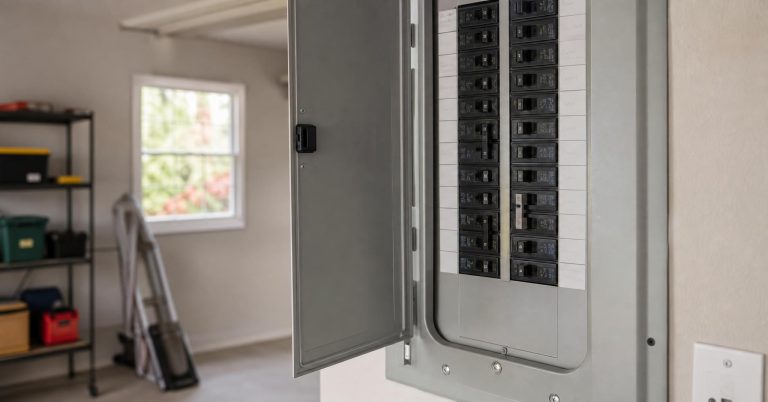
A full panel with no available slots and no room for tandem breakers where they would be permitted. Sometimes there is a legitimate workaround. Sometimes there is not.
Conditions that often do not require a full upgrade
- Age alone. A well-made panel in good condition, correctly loaded, is not dangerous simply because it is old.
- A single tripping circuit. That is usually a circuit problem, not a service problem.
- Wanting more outlets in one room. Often solved by adding a circuit, not by replacing the service.
- A home inspection note without specifics. Worth investigating, not worth acting on blindly.
What an honest assessment looks like
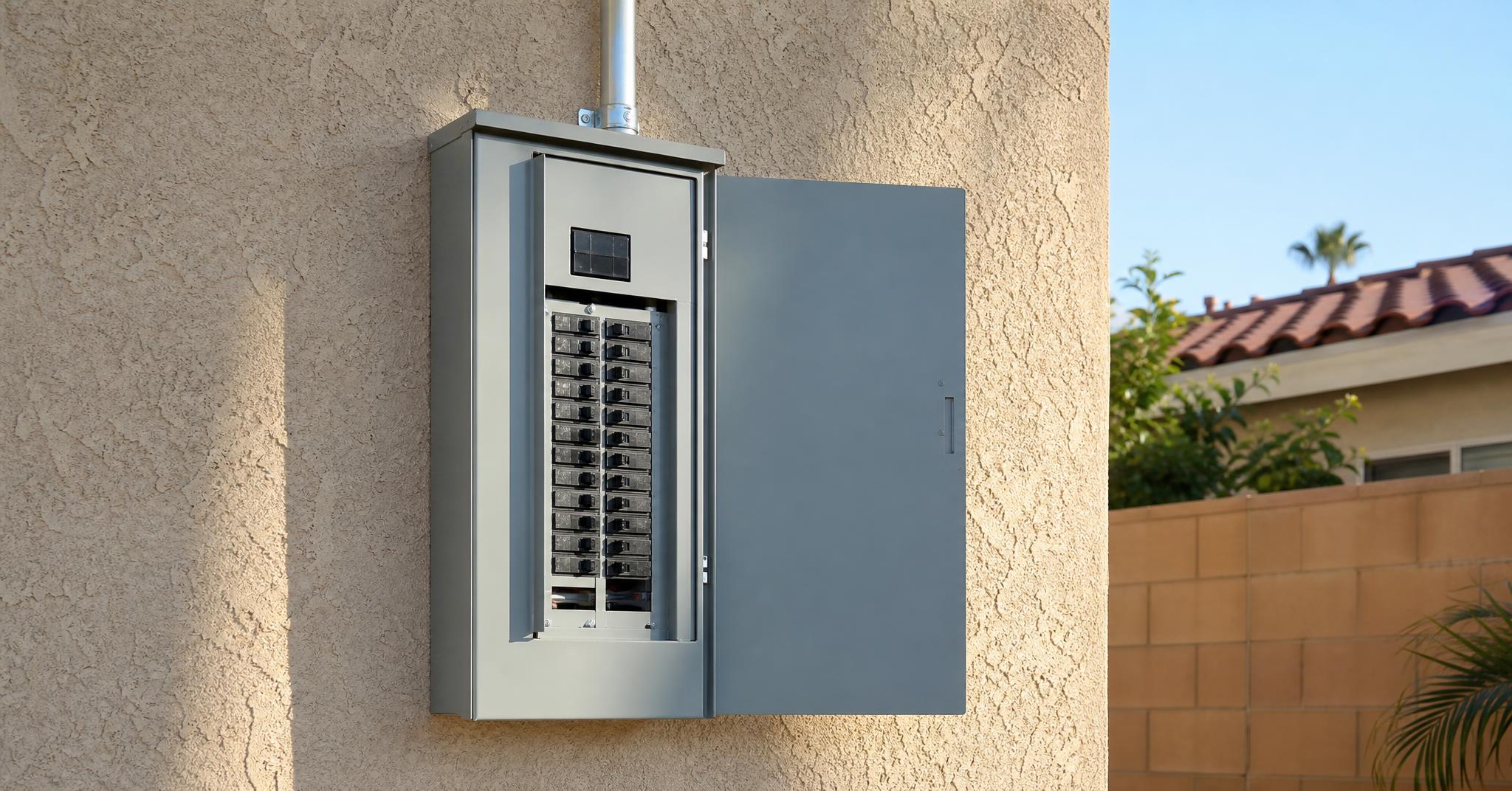
A proper evaluation includes opening the panel, identifying the equipment, checking connections and conductor sizing, and running a load calculation against actual and planned demand. It should end with a clear explanation of what is wrong, what is merely aging, and what can wait.
If someone recommends a panel upgrade without opening the panel, that recommendation is not based on much.
Peak Power Systems approaches panel work diagnosis-first, across Lakeside, El Cajon, Santee, La Mesa, Poway, Ramona, Alpine, and the surrounding San Diego County communities.