Services
Services
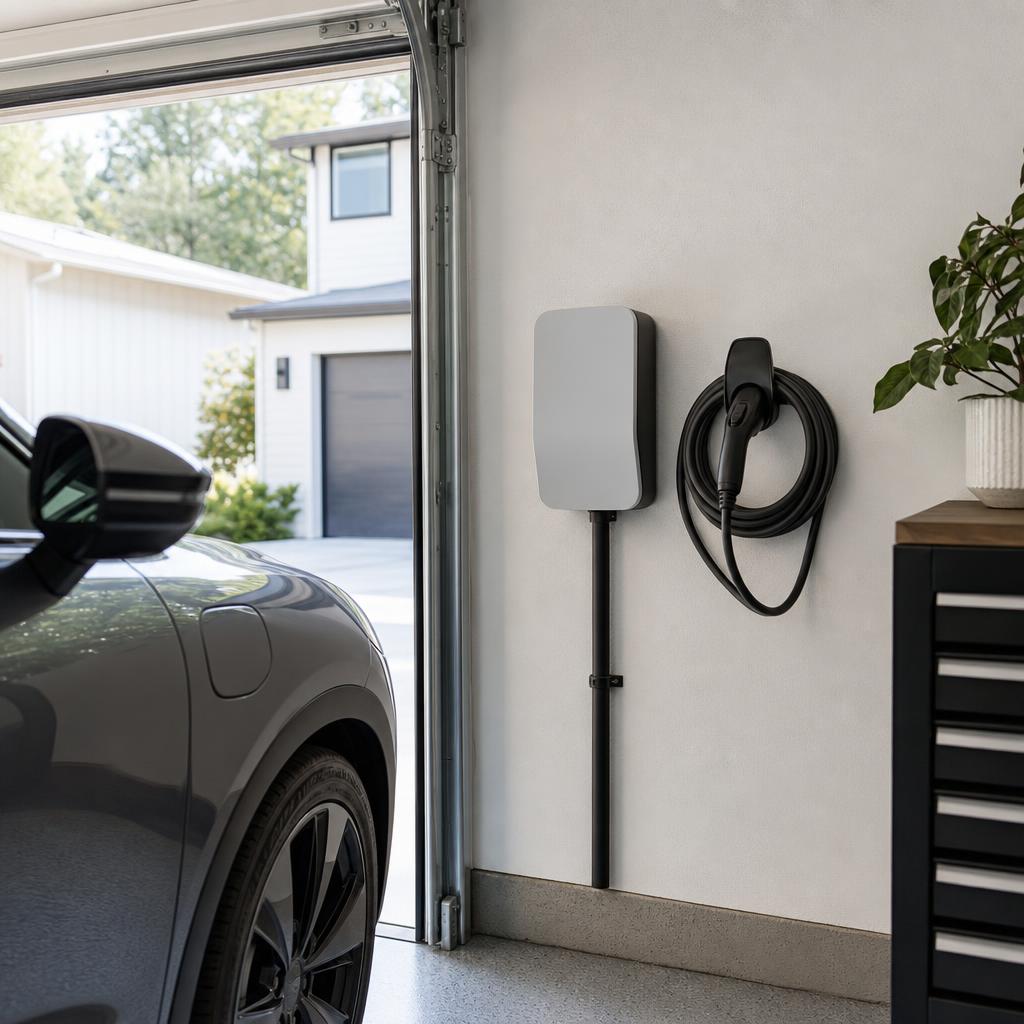
Most electrical work is invisible when it goes well. These two are the exception. Lighting and vehicle charging are the two things people interact with daily, and the two where a clean installation is immediately obvious versus a rushed one.
They sit together because they share a requirement: both are additions to an existing system, and both live or die on whether the property has the capacity and the wiring path to support them.
For charging, it is almost always a new vehicle and a deadline. The question people arrive with is how fast it can happen; the question that actually determines the answer is what the panel can support and how far the run is from panel to parking.
For lighting, it is either a room that has never worked well or an exterior that becomes unusable after dark. Both are solvable, and both benefit from planning the layout before anyone starts cutting.
With EV charging in particular, the honest answer is sometimes that the panel has to be addressed first. A charger is a substantial continuous load, and installing one onto a panel with no headroom moves the problem rather than solving it. We check that before quoting, not after.
Where panel capacity is the constraint, we scope both together so you can see the real cost of the addition rather than a charger price that turns into two projects.
For lighting, the useful work happens before installation. Where the light needs to be, what it is for, how it is switched, and how it behaves at different times of day. A well-planned room with fewer fixtures beats a poorly planned one with more, and the planning costs nothing.
Outdoor lighting has the added constraint of weather, fixture placement, and wiring routes that need to hold up outdoors over time. That is worth doing properly the first time.
Home charging comes in two practical tiers. A standard household outlet adds range slowly enough that it only suits low daily mileage. A dedicated 240-volt circuit, the common home installation, adds range fast enough that the vehicle is full every morning regardless of how the day went.
Within that second tier, the actual speed is limited by whichever is smallest: the circuit, the charging equipment, or the vehicle's own onboard charger. Installing a larger circuit than the vehicle can use buys nothing today, though it can be reasonable if you expect to change vehicles. That is a decision worth making deliberately rather than defaulting to the largest option.
Two properties with identical panels can produce very different quotes based on one thing: how far the charger is from the panel, and what is between them. A charger on the other side of an attached garage wall is a short job. A charger at a detached structure across a property is a different project with trenching or conduit involved.
Measure that distance before asking for a rough number, because it is the single most useful piece of information you can give us.
Rooms that never feel right usually have one light source doing every job. Working lighting is layered: general light for the room overall, task light where something specific happens, and accent light for depth. Most disappointing lighting projects are a layering problem rather than a fixture problem.
This is why the planning conversation matters more than the product selection. Deciding where light needs to be, and how it is switched, costs nothing at the planning stage and is expensive to change afterward.
Switching is the part people regret most. A room with well-placed fixtures on a single switch cannot do the layered thing it was designed for. Separating circuits, adding dimming where it is useful, and putting switches where people actually enter a room are small decisions at rough-in and awkward retrofits later.
Exterior lighting does two jobs: making the property usable after dark, and making it legible from the street. Those want different fixtures in different places, and doing both with one floodlight satisfies neither.
Outdoor work carries constraints that interior work does not. Fixtures and wiring have to survive weather over years, routes need to be planned around landscaping and hardscape, and placement has to account for where light is genuinely wanted versus where it becomes glare for you or a neighbour. It is worth planning properly, because redoing exterior runs means disturbing the ground again.
Both depend on available capacity, which is why they pair naturally with panel work. If a panel upgrade is already on the horizon, adding the circuits for charging or a lighting project at the same time is meaningfully cheaper than treating them as separate visits.
For charging, tell us the vehicle and where it parks relative to the panel. For lighting, tell us the room and what is not working about it now. Either one is enough to start a useful conversation and a clear quote.
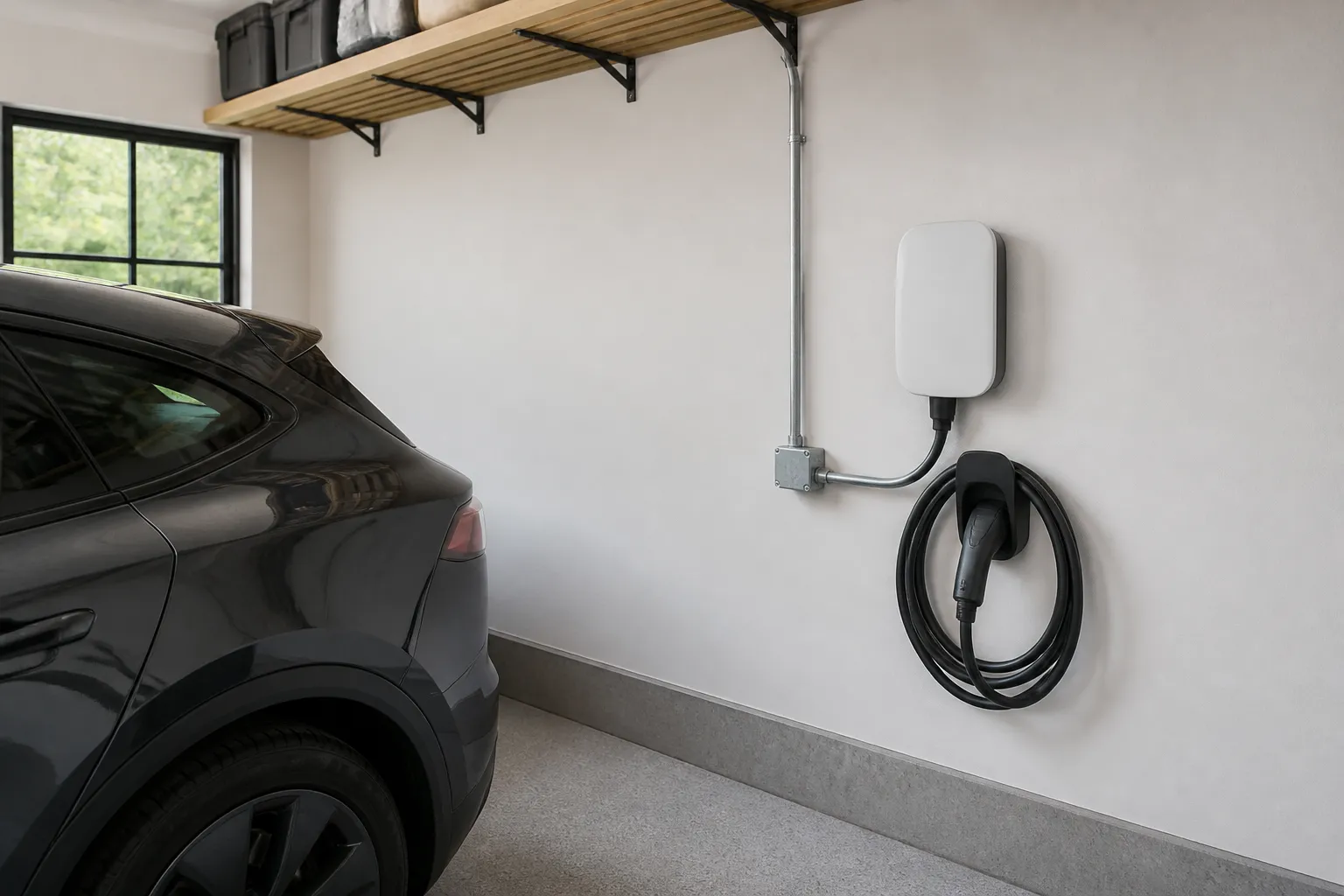
Fast, clean EV charger installation for Lakeside homes with clear planning and code-aware wiring.
Learn More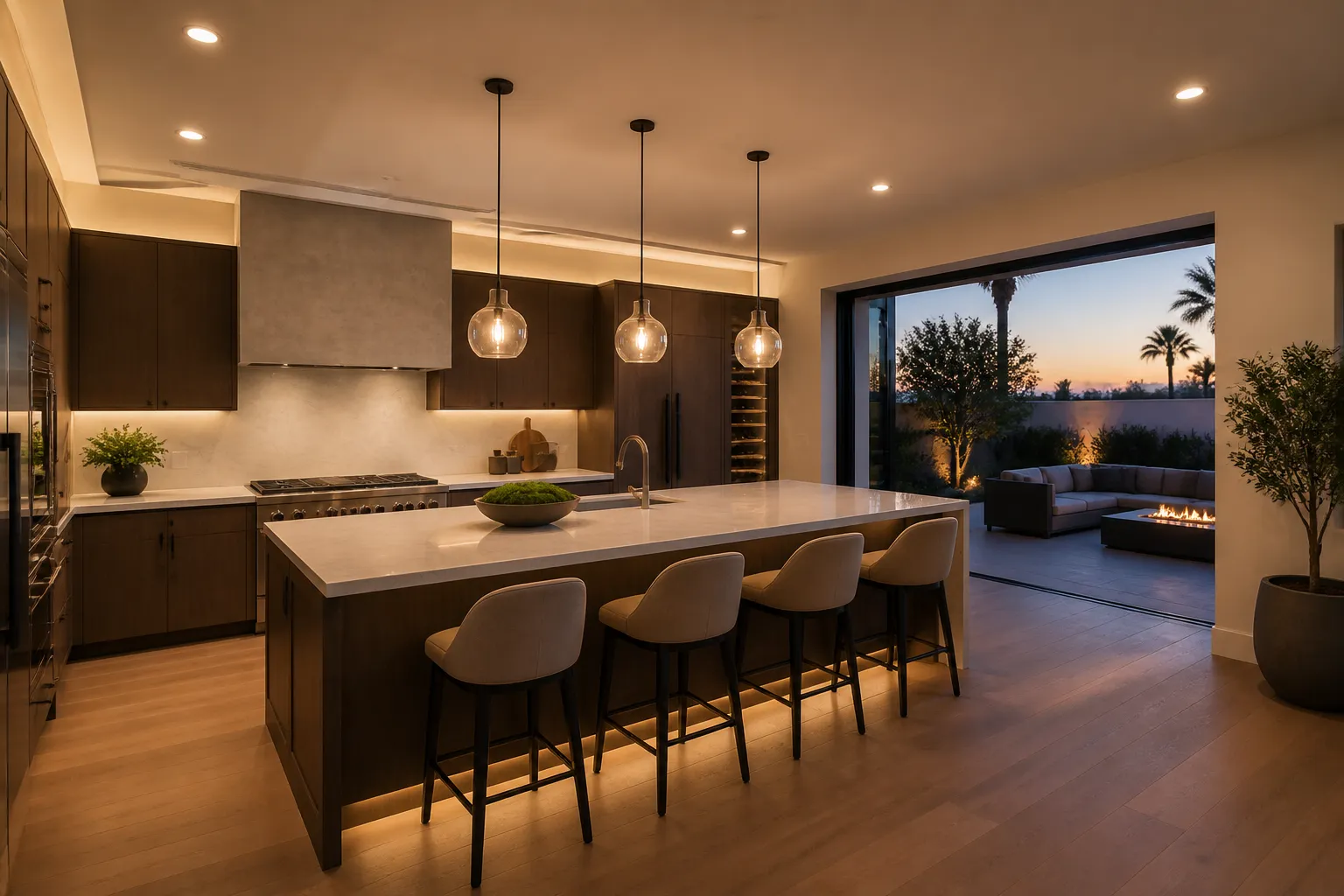
Bright, balanced lighting installed cleanly for Lakeside homes, rooms, and outdoor spaces.
Learn More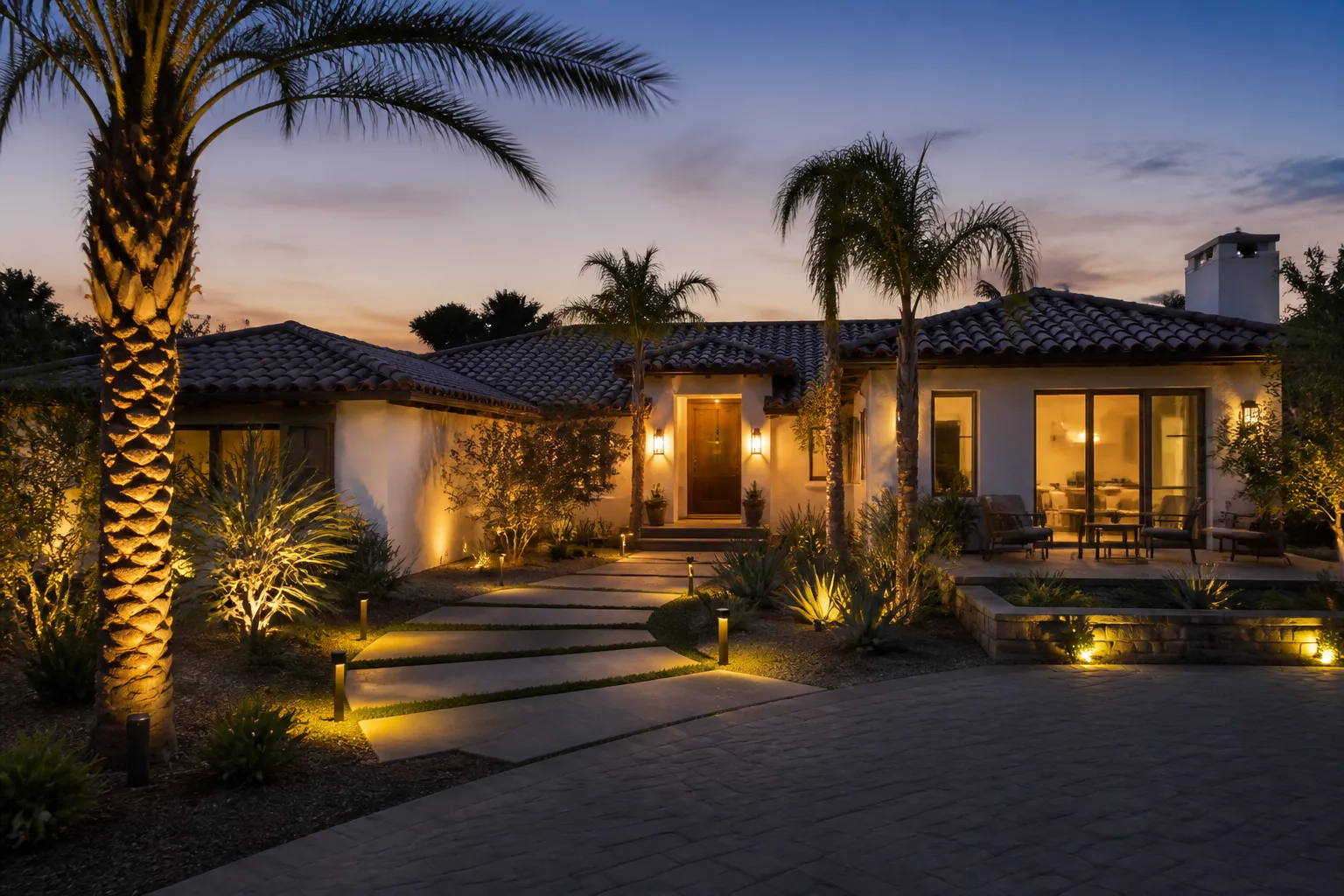
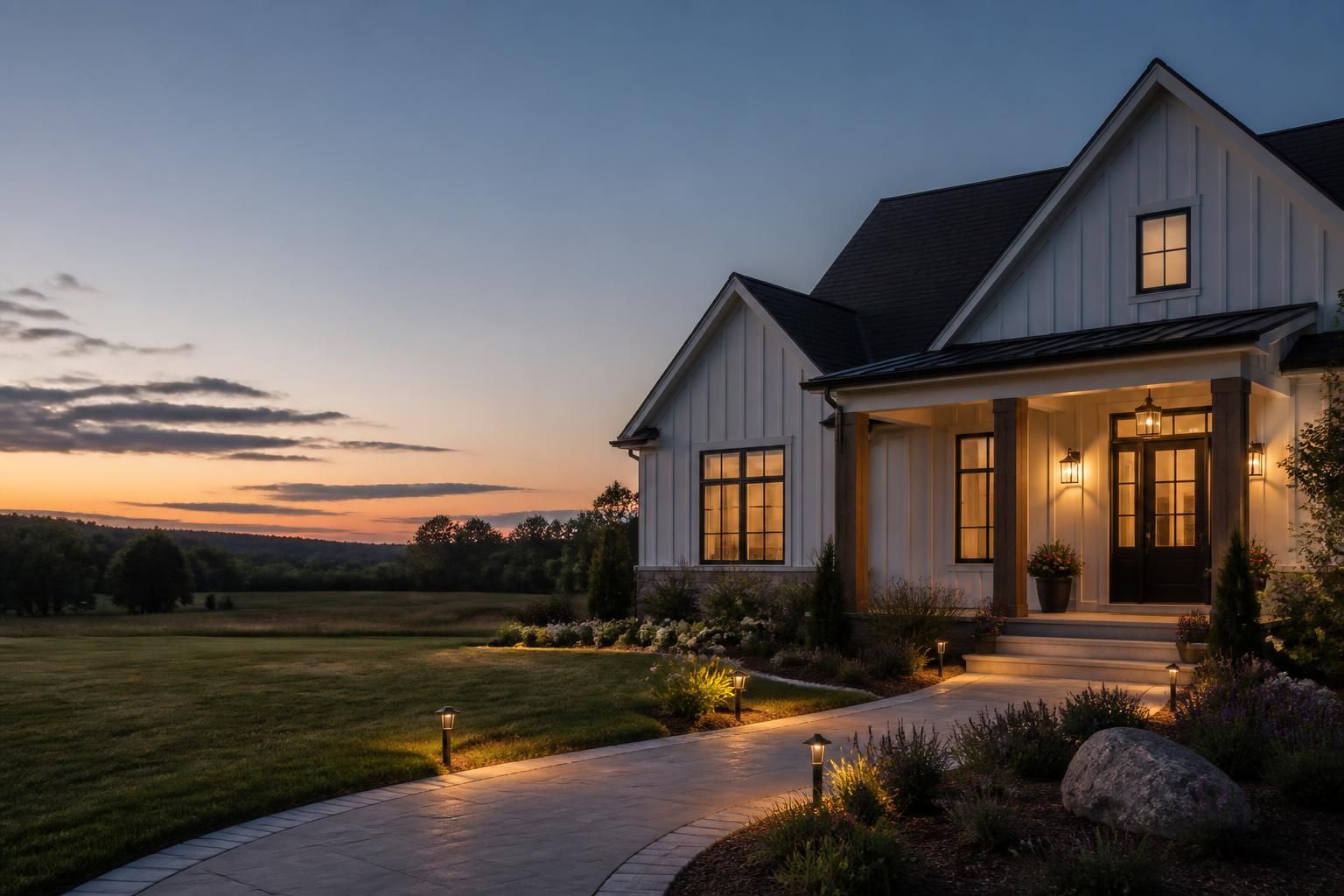
Outdoor lighting that improves visibility, defines spaces, and gives your property a finished look.
Learn MoreFAQ
We handle a wide range of residential and commercial electrical services, including panel repairs, service upgrades, rewiring, lighting, EV charger installation, generator work, surge protection, troubleshooting, and code corrections.
Yes. We provide a written quote that outlines the scope of work, timeline, and price before any work begins.
Yes. Our team handles electrical work for homeowners, commercial properties, tenant improvements, retail spaces, offices, multifamily buildings, restaurants, and more.
We serve Lakeside and much of San Diego County, including surrounding communities such as El Cajon, Santee, La Mesa, San Diego, Poway, Ramona, Alpine, and others.
Yes. We regularly diagnose electrical issues and focus on finding the root cause so the repair is targeted and effective.
Yes. We install EV chargers, standby generators, and related equipment such as interlock kits and supporting electrical circuits.
When a permit is required by the local jurisdiction, we pull it under the company license and coordinate the inspection process through completion.
We are a strong fit for customers who want licensed electrical work done carefully, whether that means a repair, upgrade, installation, or larger commercial scope.
Get Started
Share a few details about your generator or electrical project and we will help you understand the next best step, whether you are planning a standby installation, scheduling maintenance, or upgrading the electrical system that supports it.